Doing It Yourself
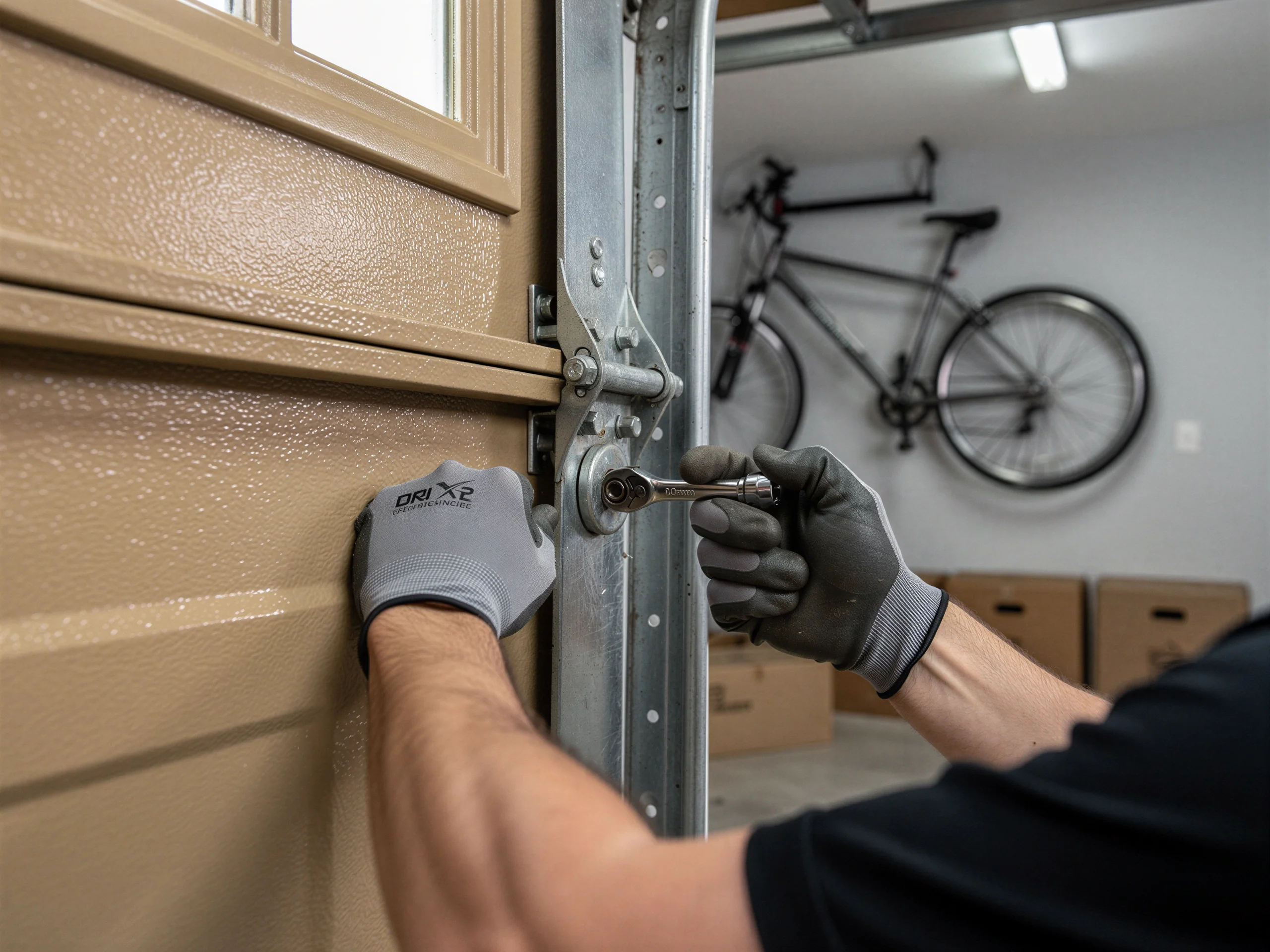
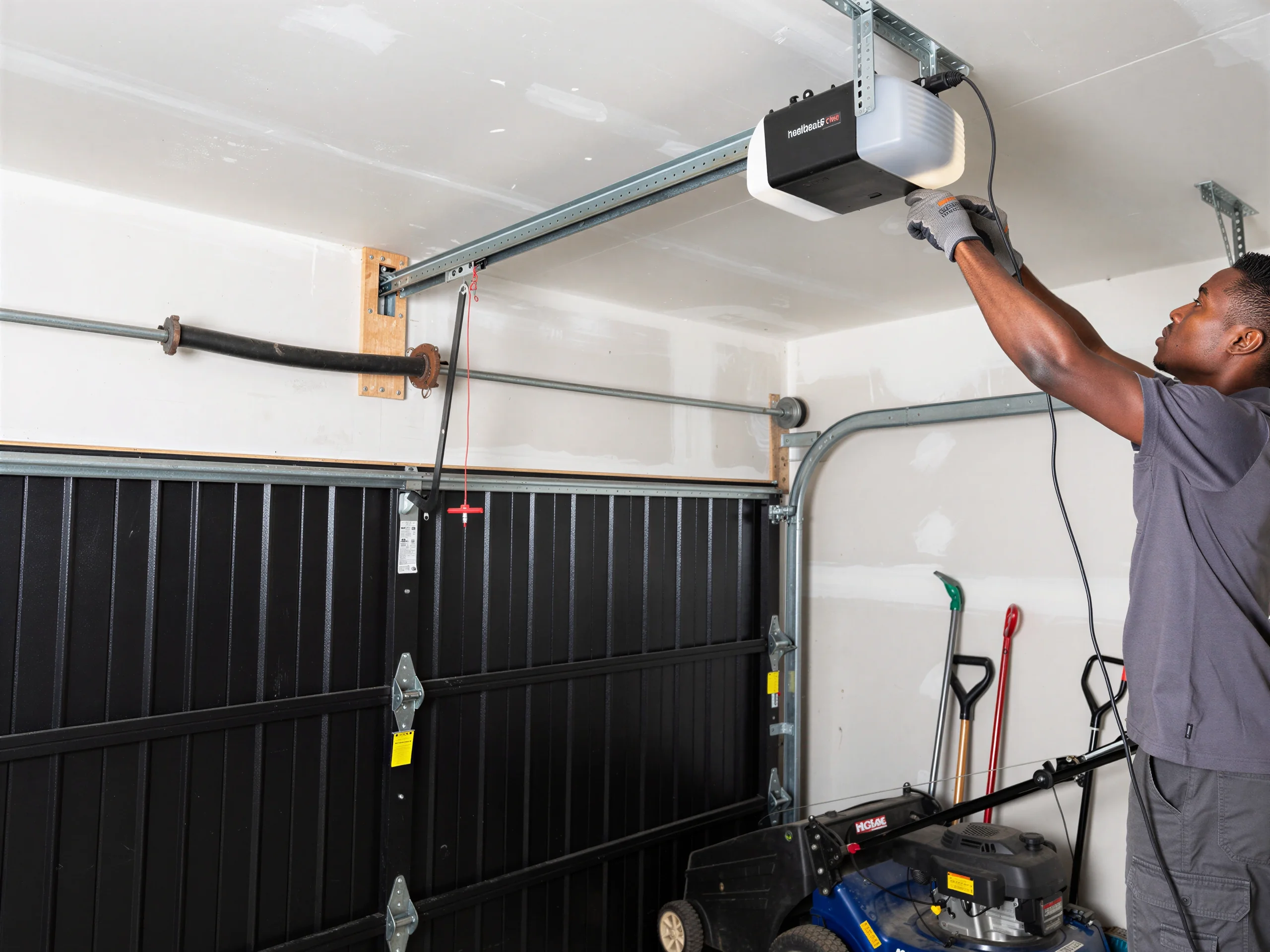
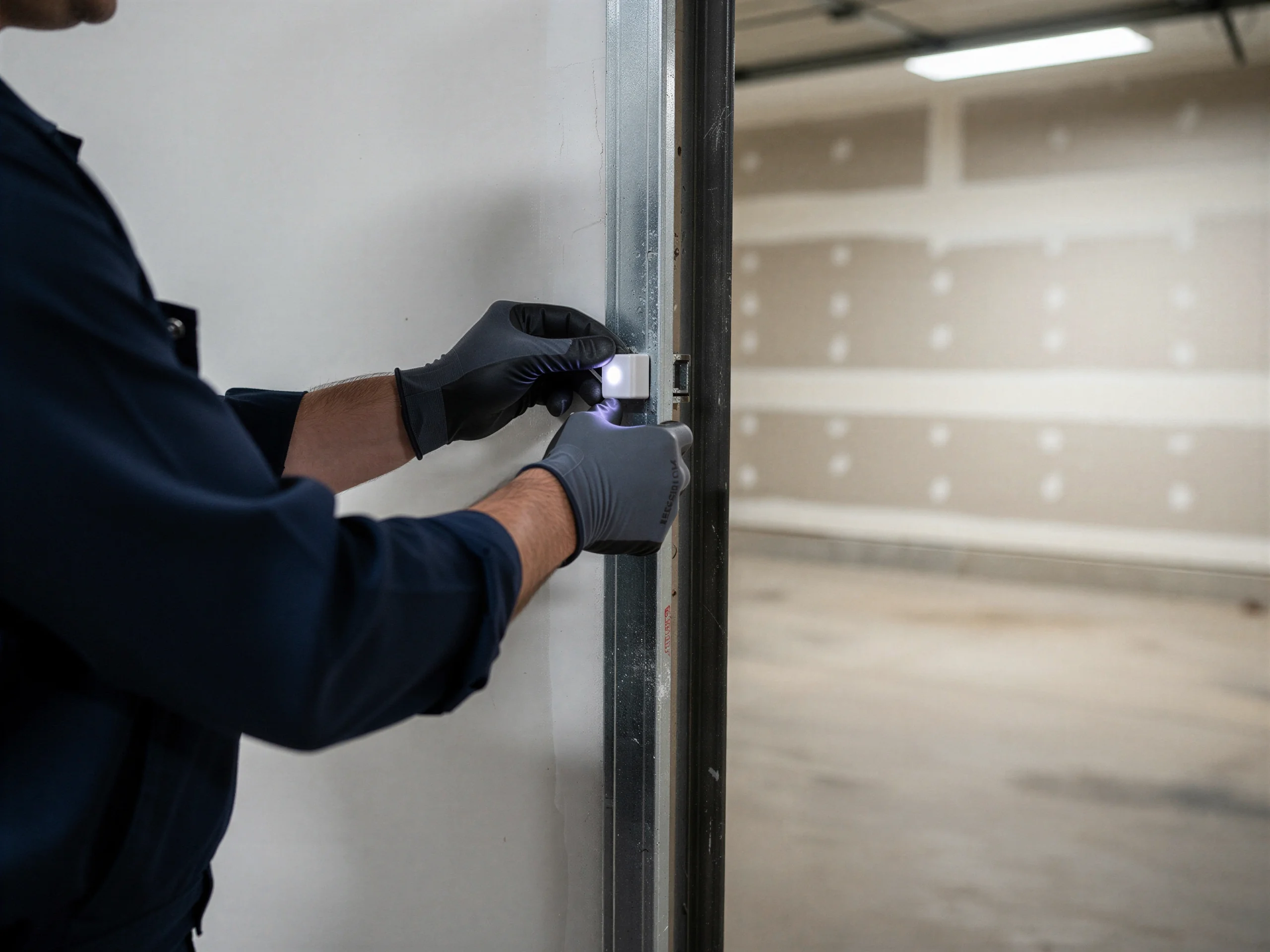
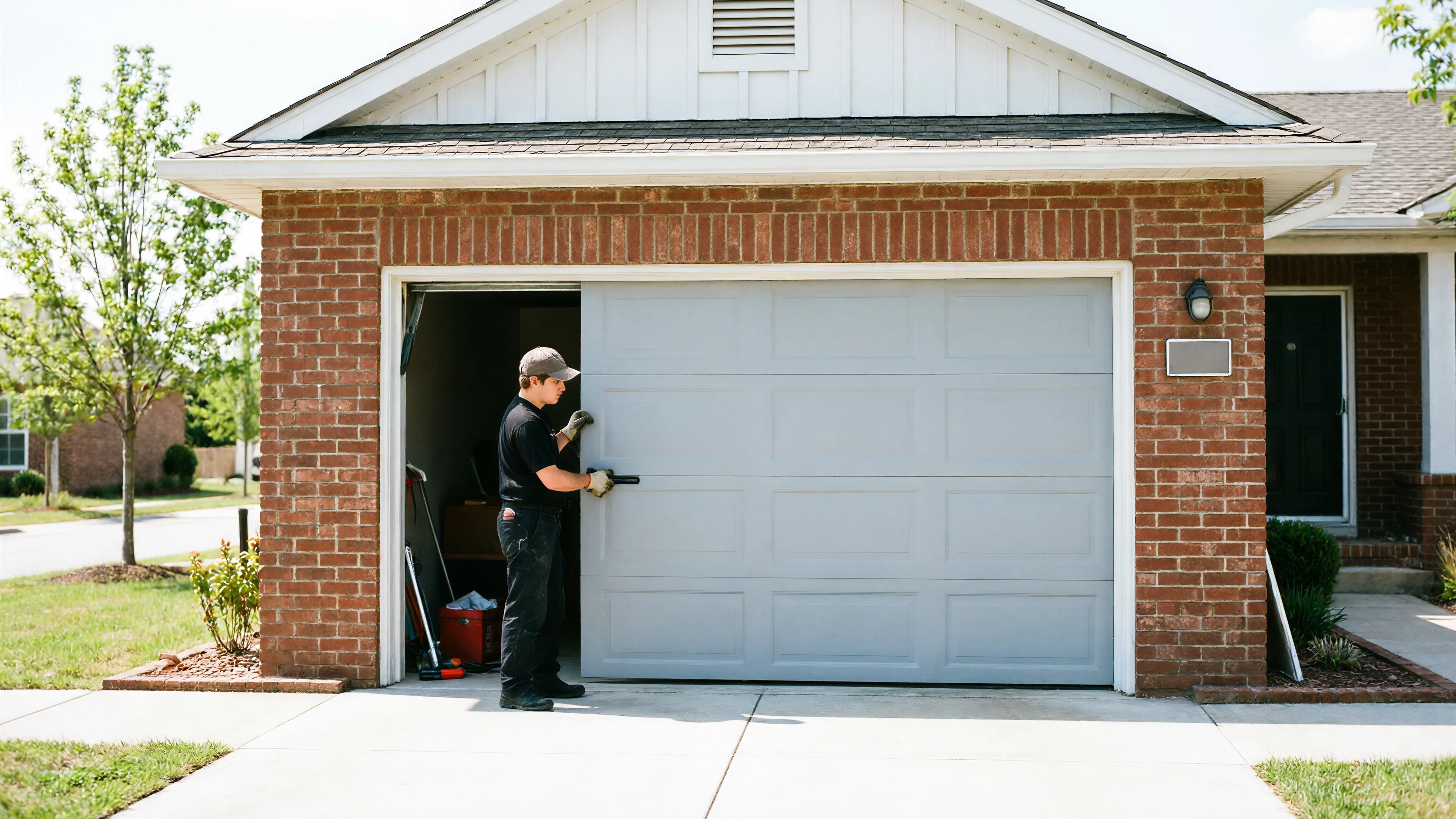
Rollers are one of the few garage door parts a homeowner can swap without real risk, as long as the door is down and the opener is unplugged.
Bottom rollers are easy
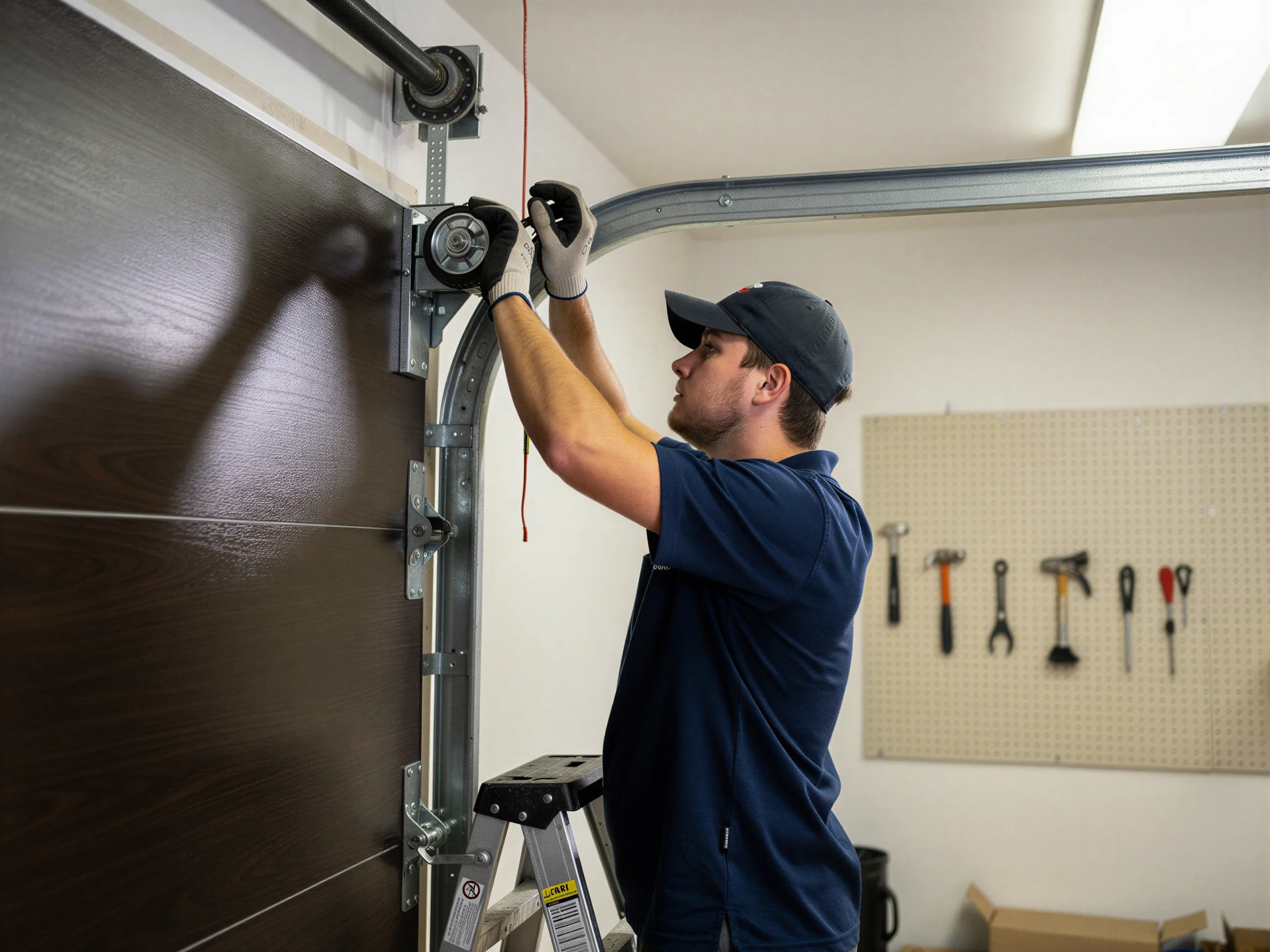
Non-load-bearing rollers on the bottom two panels come out without touching spring tension. The ones at the top, closest to the horizontal track where the cable drum sits, are a different story - pull the wrong roller there and the door can drop or the track can bow. On a house built in 1972, which is Hollywood Park's median build year, you're more likely to find steel rollers on a track that's been re-shimmed or repositioned at least once over fifty years.
Level check before buying
That history matters. A roller swap on a track that's already slightly out of plumb just moves the noise somewhere else. If you're doing this yourself, check the track alignment with a level before you buy parts - a $12 roller kit won't fix a track that's drifted a quarter inch over five decades of settling.
Stop points for DIY
We're honest that this is a job plenty of people handle themselves on a single-car door with easy access. Where we'd stop a DIY job: rust-frozen roller stems, a track bent enough to bind, or any door where the roller failure is actually a symptom of a cable or spring problem underneath it.
How to Book
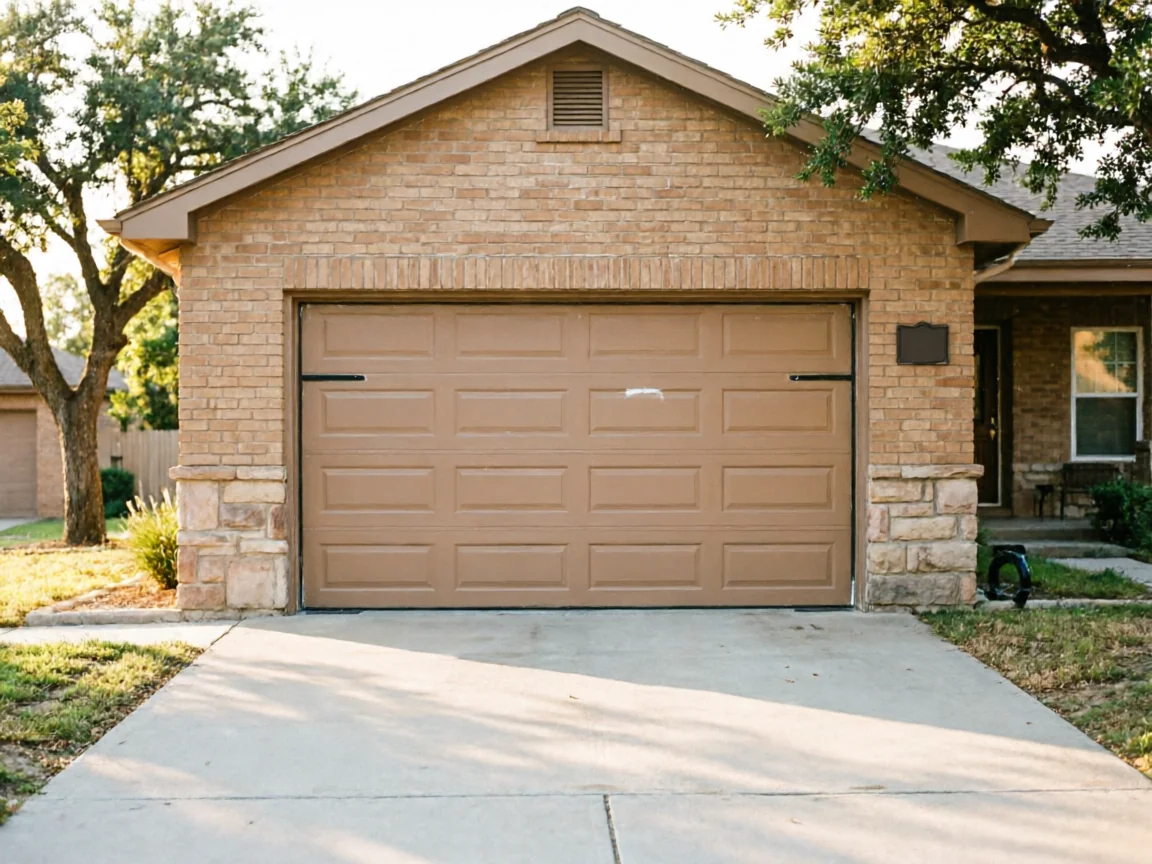
We run out of Boerne, about 19 miles from Hollywood Park, so this isn't a same-day drop-in the way it might be for a street closer to the shop.
Booking details to share
Call ahead and tell us the door's age if you know it, how many panels are sticking or grinding, and whether the noise is on one side or both.
Roller type loaded ahead
That lets us load the right roller type - nylon, steel, or sealed-bearing - before we're on the road instead of guessing in your driveway. You can see what else we cover for the area on the Hollywood Park garage doors page.
Honest scope on arrival
If what you're dealing with turns out to be bigger than a roller job once we're there - a cracked panel or a spring that's clearly shot - we'll tell you straight rather than quote a roller fix that won't hold.
The Symptom
The complaint we hear most from this part of the service area is a door that grinds or barks on one side only, usually worse when it's cold enough for the grease in old roller bearings to stiffen up.
Gradual rattle to wobble
It's rarely sudden. It builds over months - a little scrape, then a rattle, then a door that visibly wobbles as it travels. Because Hollywood Park's median home dates to 1972, a lot of what we're pulling out are original steel rollers running in galvanized track that's never been serviced.
Groove worn into track
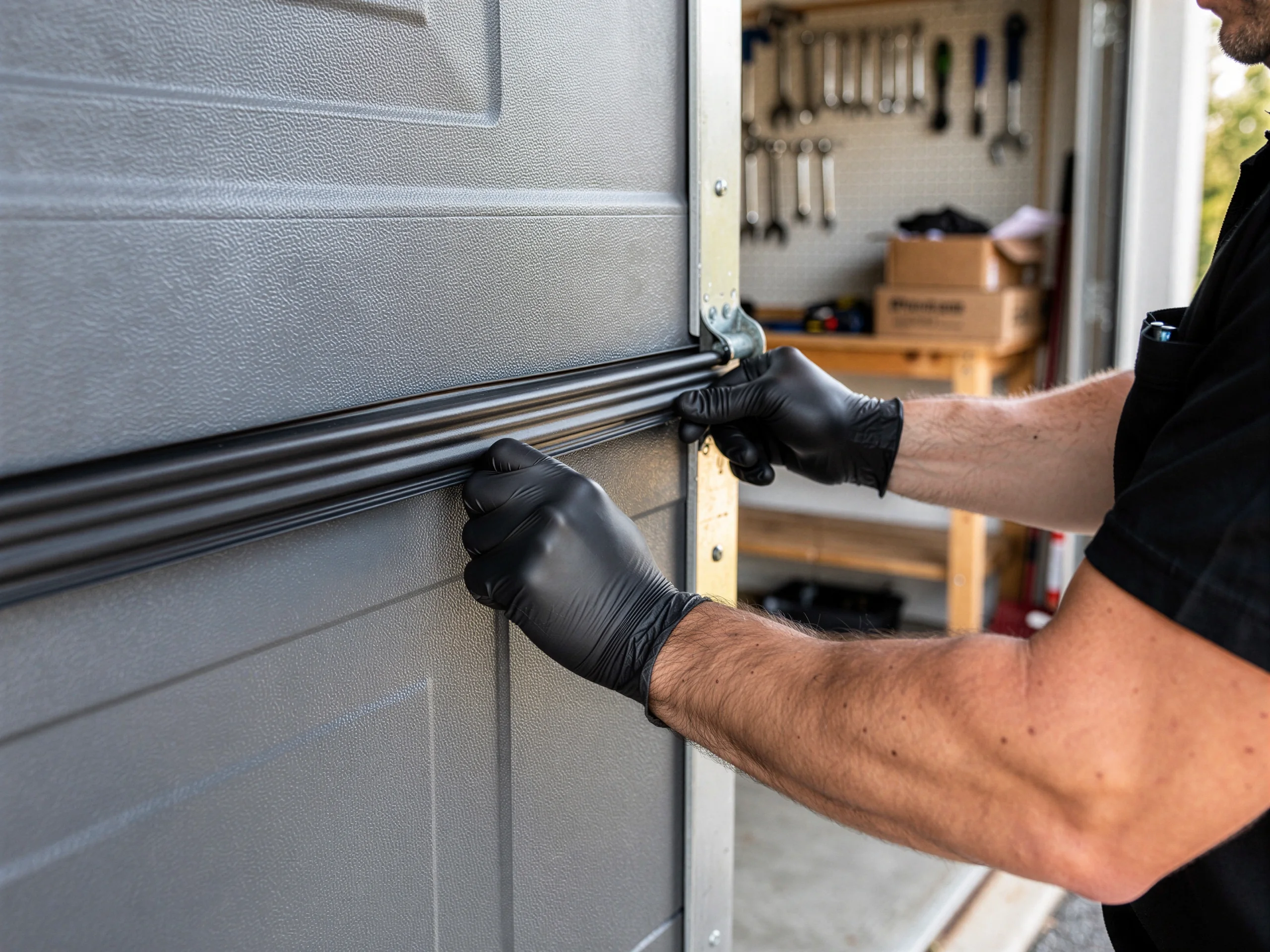
Steel-on-steel wears a groove into the track lip over decades, and once that groove is there, new rollers - even good sealed ones - will still catch on it.
Track section may need replacing
That's the part people don't expect: sometimes the fix isn't just the roller, it's a short run of track to go with it. We'll show you the groove before we recommend that, not after.
What Is on the Truck
We stock nylon rollers with sealed bearings as the standard replacement - quieter than steel, and they don't need the periodic lubrication steel rollers demand.
Adjustable-stem roller kits
For doors where the stem length or wheel diameter is non-standard, which shows up more often on older original hardware than on anything built after 2000, we carry adjustable-stem kits that cover most of what we run into.
Lighter grease for mornings
Given the area's mild climate with occasional freeze stated for this region, we don't stock heavy cold-weather lubricants built for hard freeze zones - a lighter lithium grease does the job on the handful of mornings a year it gets cold enough to matter here.
Long track runs not carried
What we don't carry on the truck: full track sections longer than a few feet. If a roller groove problem needs a long run replaced, that's a second visit with the right stock loaded.
Why It Happens Here
Across the full service area, the median home was built in 1997. Hollywood Park runs a quarter century older than that, with a median build year of 1972. That gap is the whole story behind why roller calls from here look different than calls from the newer subdivisions - original hardware has had twenty-five extra years of open-and-close cycles to wear a groove, seize a bearing, or work a track loose at its mounting brackets.
The area's median household income, $140,357, runs above the $135,120 average for the rest of the service area, and we mention that only because it shows up in what people choose to do about it - more owners here opt to replace the whole roller set with sealed nylon rather than patch one or two at a time. With 1,168 households in Hollywood Park, it's a smaller pocket than some of what we cover, but the age of the stock means roller wear shows up at a higher rate per house than you'd see in a subdivision built in the 2000s.
What Can Go Wrong
The biggest mistake on a roller job in an older Hollywood Park home is treating it as an isolated part. On a door that's run on the same steel rollers since 1972, the track has usually worn right along with them, and a new roller pressed into a grooved or slightly bent track will fail again within months - sometimes faster than the one it replaced, because it's now forced against a lip the old worn roller had already smoothed a path around.
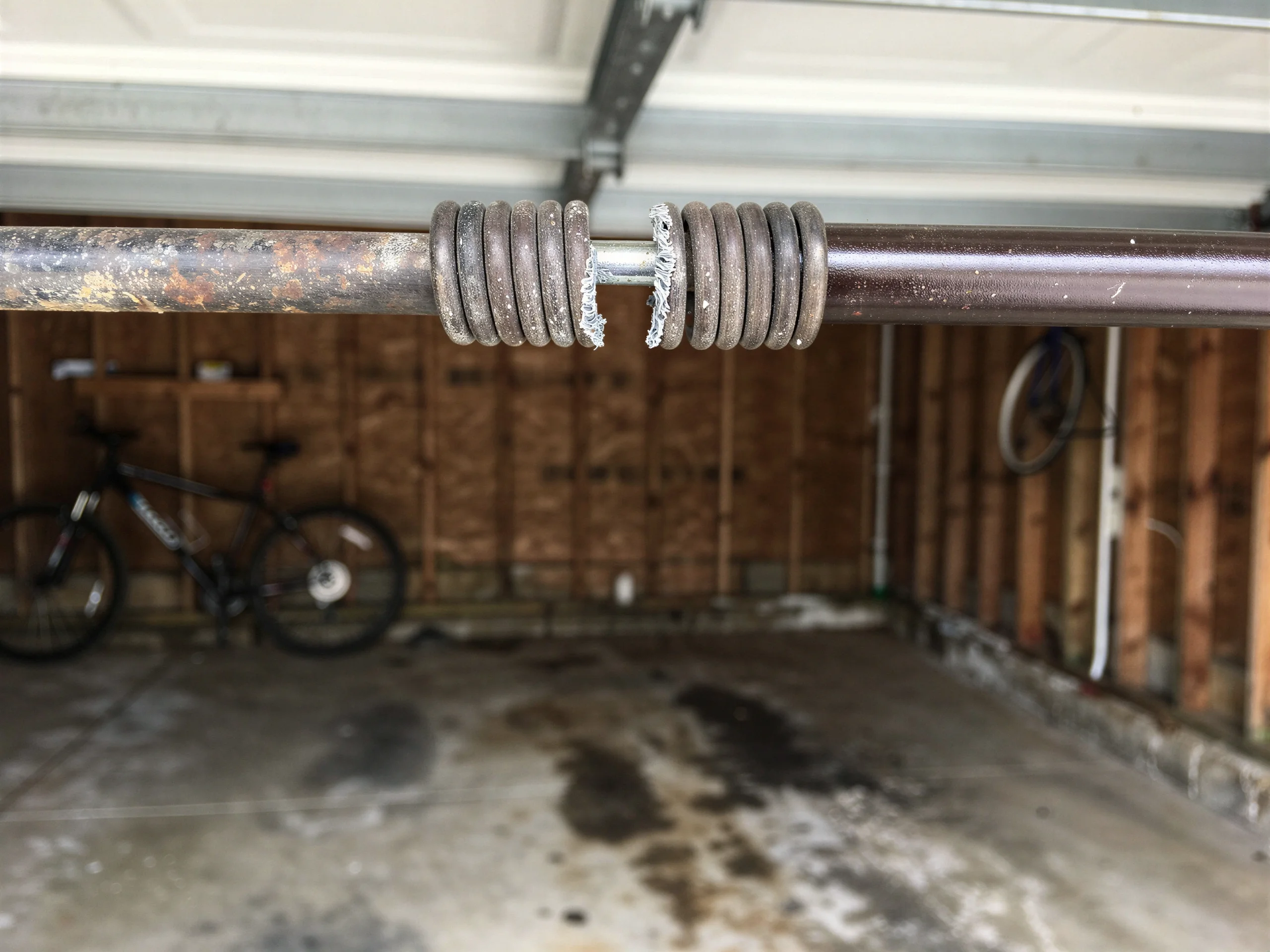
The other risk is the top rollers near the cable drums. On these older setups the brackets holding that section of track have had decades to loosen at their lag bolts. Swap a roller there without checking the bracket and you can end up with a door that drops unevenly on its next cycle. We check both of those before we call a job finished, and if the track's shot, we say so rather than reinstall a roller that's going to be back in our calendar in six months. For the broader service area's take on this job, see garage door roller replacement in Boerne.
Talk to a local pro
Garage door service in Boerne?
Same-day service with honest, upfront quotes.