
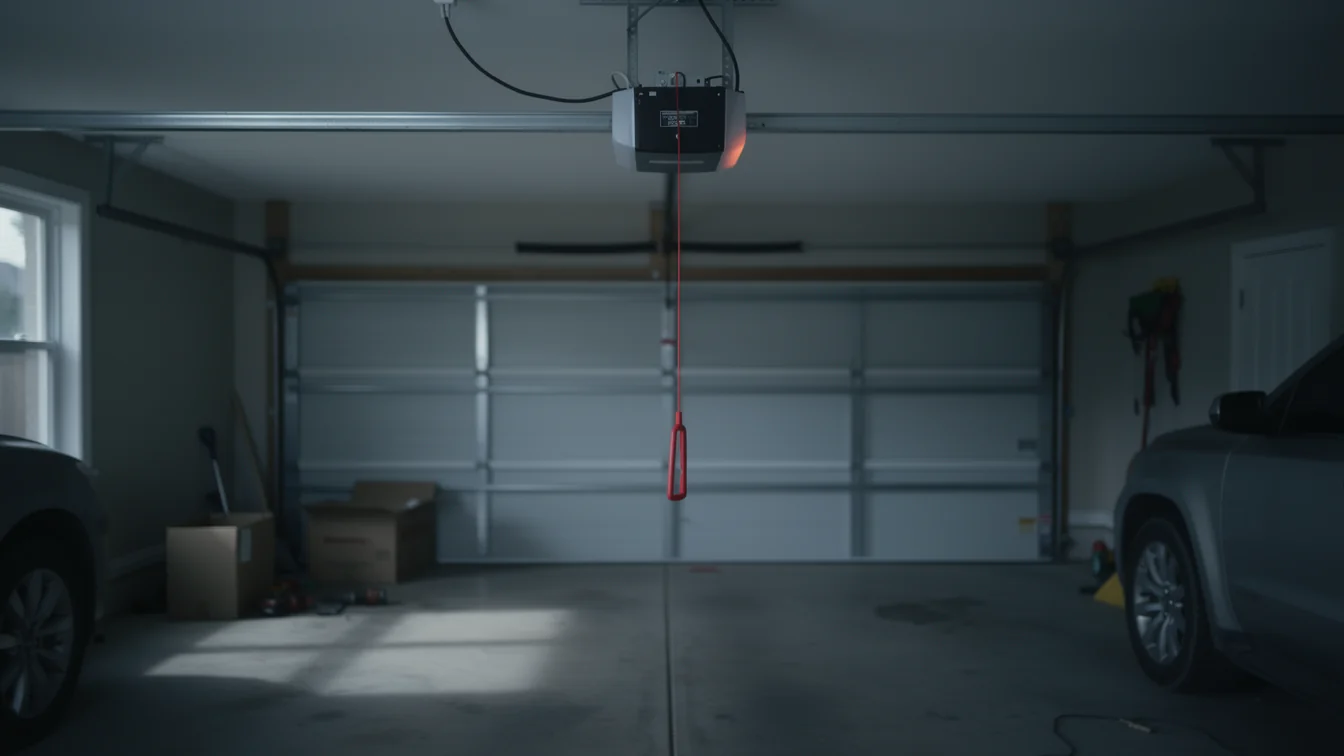
When Boerne's Openers and Power Cuts Don't Mix
Boerne homes built between 1972 and 2005 carry openers that weren't made for today's power cuts.
Read moreBlogBoerne, TX · 4 min read
Boerne homes built between 1972 and 2005 carry original springs and openers nearing the end of their life. Here's what fails first and why, from Boerne Garage Door Pros.
Local detail
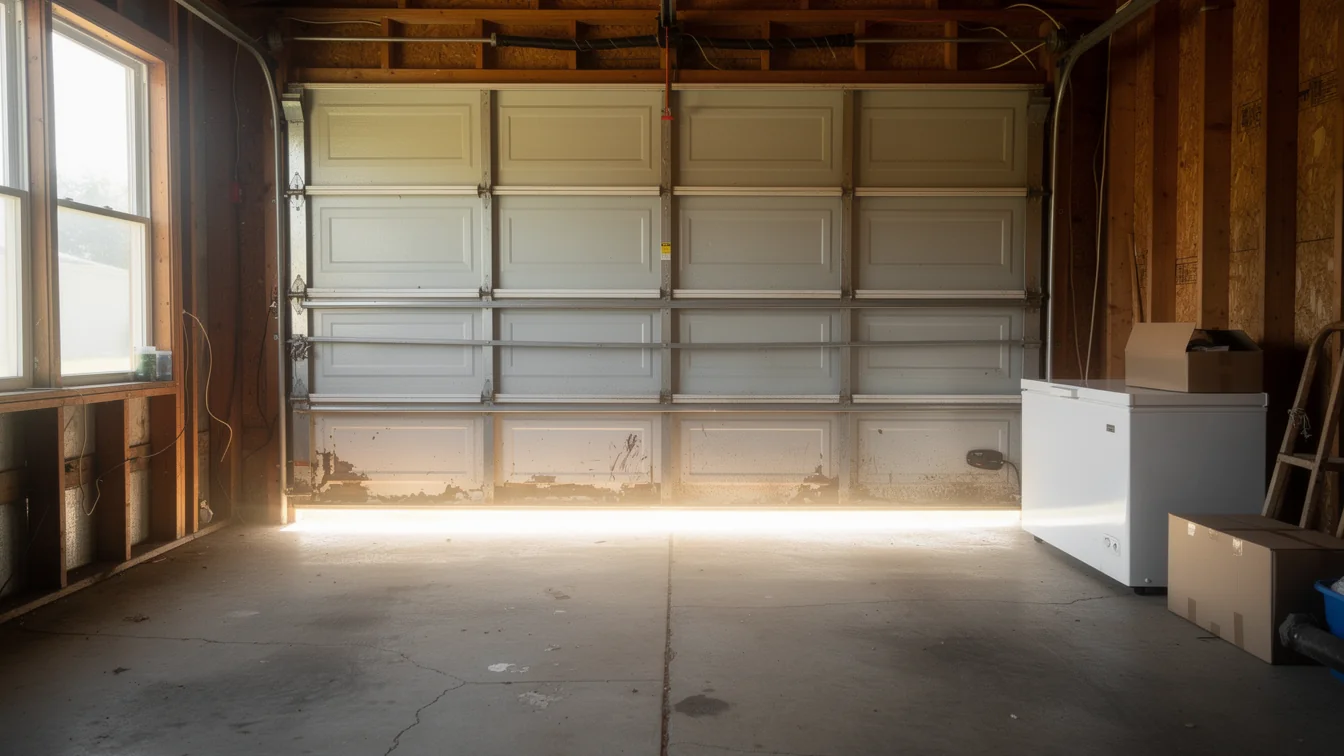
Most of the houses we work on around Boerne went up between 1972 and 2005, with the median build year sitting around 1997. That puts a huge share of garage doors in this town at 25 to 30 years old right now, and that's exactly the window where torsion springs, nylon rollers, and the original chain-drive openers wear out at the same time. A spring is rated for a number of cycles, not years, but a 1990s door that's opened twice a day for three decades has used up its springs whether anyone noticed or not. Because so much of the stock across Boerne's eight main residential areas dates from that same 1980s-90s build-out, we see the same failures repeating street after street - not because the doors were built badly, but because they're all hitting the same age at close to the same time. If your house falls in that build window, the door is older than it looks and probably older than the opener's second motor would suggest. The honest answer for a lot of these doors isn't a repair, it's a full spring and roller replacement done before the cable snaps under load.
The area
A torsion spring is wound under enough tension to break a hand or worse if it lets go while you're working on it. That's true everywhere, but it matters more here because so many Boerne garages still have the original single spring system from the 1980s-90s build-out rather than a newer dual-spring setup - and a single spring carries the full load alone. If the spring is original to a house built in that era, it has had decades to fatigue, and fatigued springs don't always fail cleanly. We'll say plainly: adjusting spring tension, replacing a broken torsion spring, or pulling a bent track off its mounts are not weekend projects, regardless of how many videos make it look simple. Where a homeowner can safely help themselves is lubrication, visual inspection, and tightening loose hardware - we cover that next. Past that point, the job needs the right winding bars, clamps, and a second set of hands, and it needs them done once, correctly, not fixed twice.
What we find
Walk your garage door through a simple check every few months, especially if your house was built in that 1972-2005 window and you don't know when the springs were last replaced. Look at the springs themselves - a gap in the coil where it's separated means it's broken, even if the door still opens on the opener's backup strength. Check the cables at the bottom brackets for fraying strands. Pull the release handle and lift the door by hand; it should move smoothly and stay roughly level wherever you let go. If it drops like dead weight, the springs are no longer carrying their share and something is due to fail soon. Listen for grinding or popping from the rollers, which on original 1980s and 90s doors are often still the hard nylon type that goes brittle with age rather than the steel ball-bearing rollers used now. None of this requires tools beyond a flashlight and a ladder, and none of it involves touching the spring itself.
How we work
Boerne sits in a mild climate with occasional freeze, which is gentler on doors than a true hard-freeze region but still hard on specific parts. Lubricant on rollers and hinges thins out in summer heat and thickens up on the rare cold mornings, so a lubricant that's fine in July can leave rollers stiff on a 28-degree start in January - the kind of swing this area actually sees rather than extreme cold. That stop-start cycling is harder on an aging opener's gears than steady weather would be. It's also why steel components on older doors, especially the original hardware from houses built in the 1972-2005 range, show surface rust at hinge pins and bottom brackets before anything else fails. None of this is dramatic weather damage - it's slow wear from a mild climate that still swings enough to matter twice a year. Checking and re-lubricating hardware each spring and fall catches most of it before a spring or cable gives out in the middle of a cold snap.
Questions
Springs fail based on open-close cycles, not calendar age, but most residential torsion springs are rated for about 10,000 cycles - roughly 7 to 10 years of normal use. Since much of Boerne's housing dates to the 1972-2005 build-out, a lot of original springs are three or more lifespans past that point and are overdue, even if they haven't broken yet.
Boerne sees a mild climate with occasional freeze rather than sustained hard winters, so most openers aren't built or adjusted for cold. On the colder mornings this area does get, old grease thickens and gears strain harder to start moving, which shows up as hesitation or grinding on an opener that's already 20-plus years old.
If the springs are original to a house built decades ago, replacing only the opener is a half-measure. The opener doesn't lift the door - the springs do. A new opener paired with worn-out springs just means the motor works harder and fails sooner. We'll tell you honestly if your springs need to go first.
Recommendation
More garage door guides for Boerne homeowners.
Boerne homes built between 1972 and 2005 carry openers that weren't made for today's power cuts.
Read more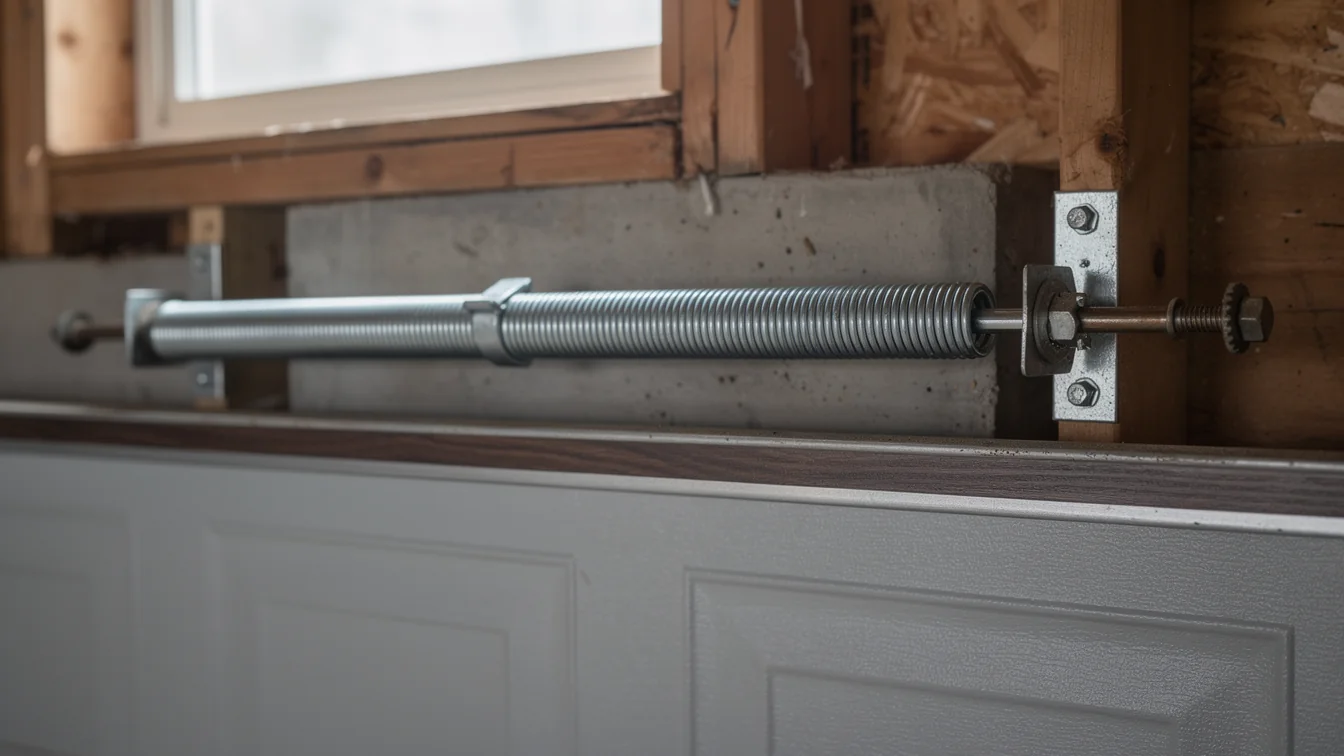
Boerne homes built between 1972 and 2005 are hitting the age where original torsion springs fail, and the area's occasional freezes make it worse.
Read more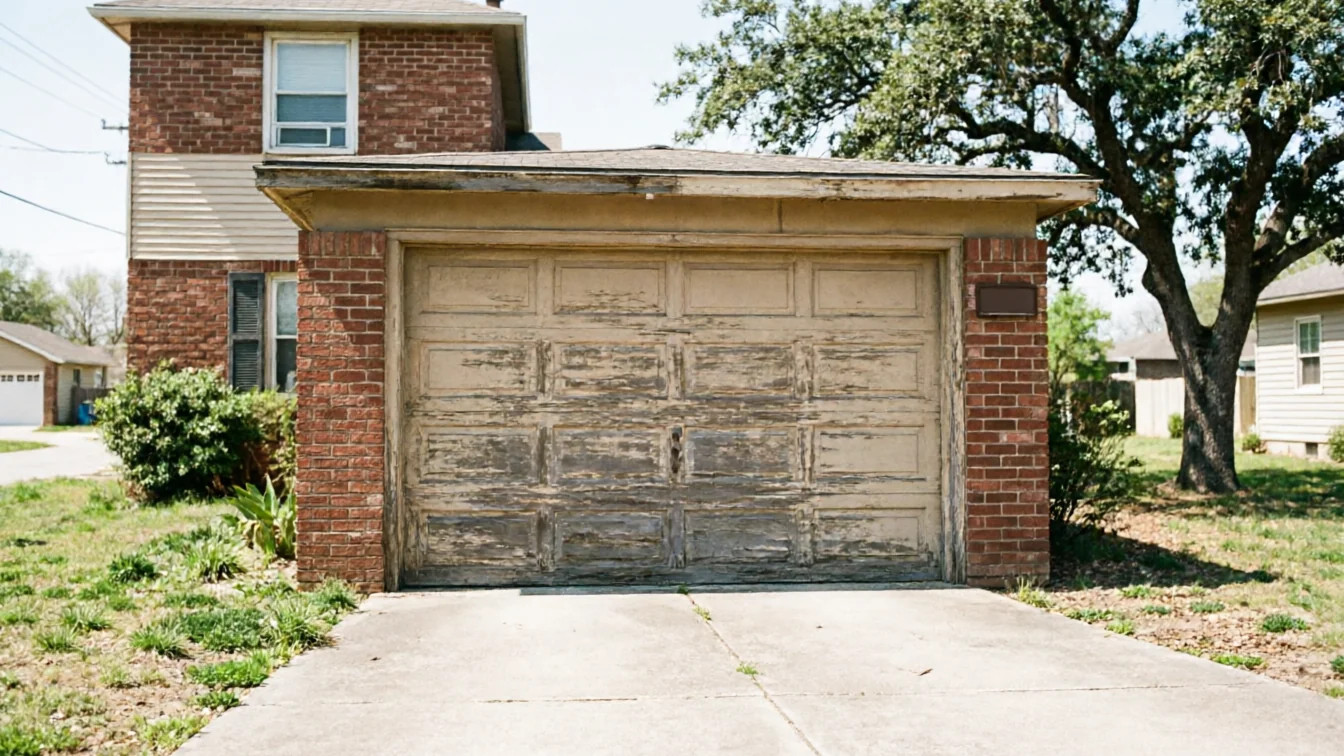
Most Boerne homes went up between 1972 and 2005.
Read moreReady when you are
Boerne Garage Door Pros repairs and installs garage doors, springs and openers in Boerne, TX and the surrounding area.