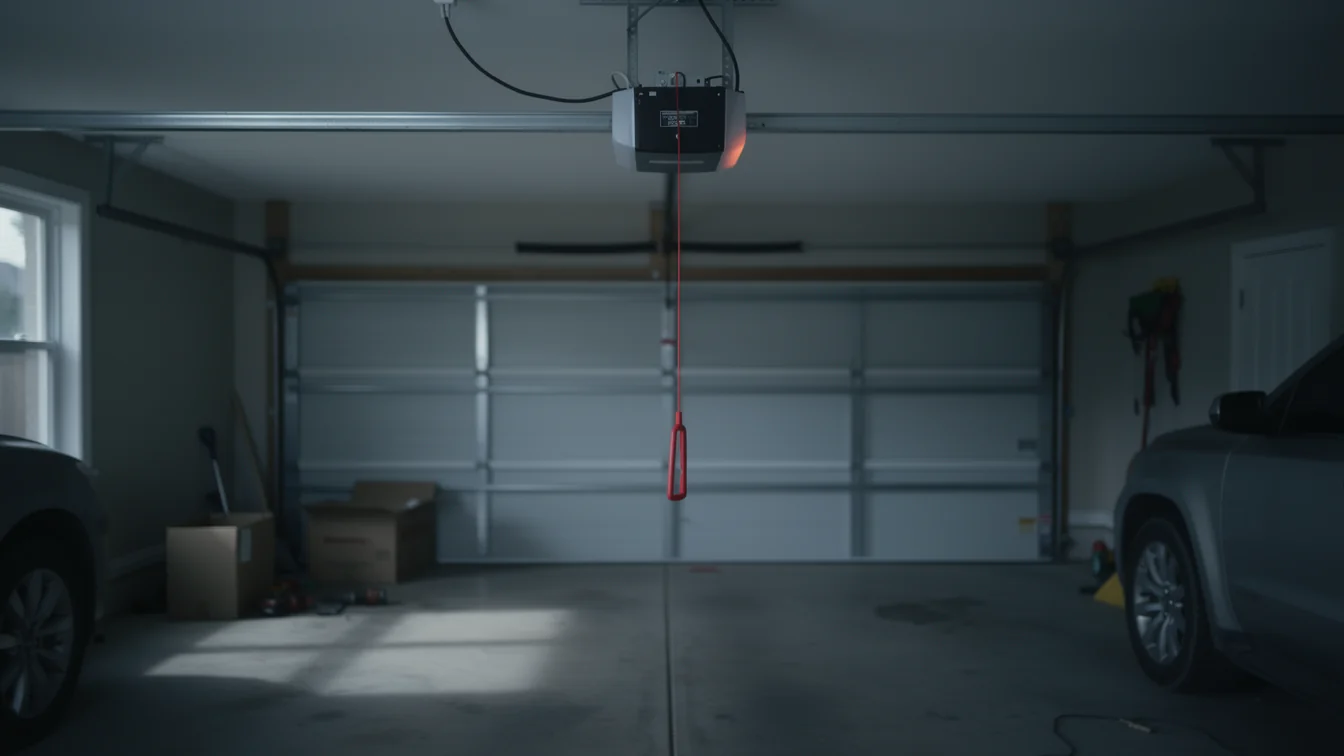
When Boerne's Openers and Power Cuts Don't Mix
Boerne homes built between 1972 and 2005 carry openers that weren't made for today's power cuts.
Read moreBlogBoerne, TX · 4 min read
Most Boerne homes went up between 1972 and 2005. That means a lot of doors and openers are now old enough that repair and replace stop being an easy call.
Local detail
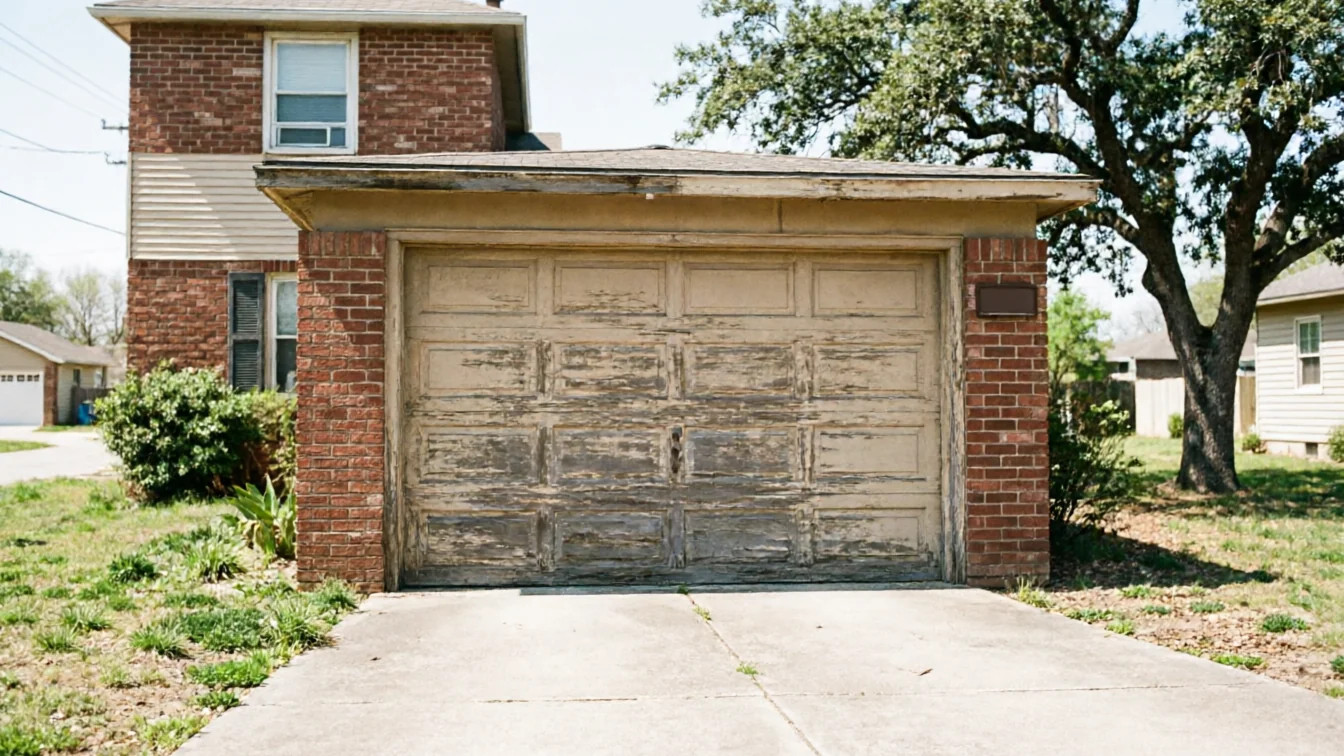
Boerne's housing stock mostly went up between 1972 and 2005, with the median build year landing around 1997 and the heaviest concentration of homes dating to the 1980s and 90s across the area's eight named neighborhoods. That means a lot of garage doors in this area are now twenty to forty-five years old, and so are the openers that lift them.
A door that old was built to a different standard. Early chain-drive openers from that era often lack the auto-reverse sensitivity and rolling-code security that came standard later. The torsion springs sized for those original doors were made to a spec that newer parts don't always match, which is why a spring swap on an older door sometimes turns into a full hardware mismatch once you open the panel up.
None of this means the door is junk. A well-maintained door from 1985 can still run fine. But it does mean the decision to repair needs more thought than it would on a five-year-old door, because the parts, the wiring, and the safety features underneath it are a generation behind what's sold today.
The area
Spring and cable work on a door this old is not a weekend project, and we'll say that plainly: a broken torsion spring under tension, on hardware that may be thirty-plus years old and no longer matched to anything on a hardware store shelf, is where a repair job turns into an injury if you guess at it.
The harder call is the one before that: deciding whether to fix it at all. With median household income across the service area sitting near $135,000, most homeowners here can absorb the cost of a full opener or door replacement without much strain, which changes the math compared to areas where stretching a repair matters more. If a 1990s-era opener is grinding, overheating, or needs a part that's been discontinued, replacing it usually costs less in the long run than a shop hunting down an obsolete gear kit.
We'll tell you straight when a repair isn't worth doing. Chasing parts for an opener that's twenty-five years past its design life, on a spring sized for a door style nobody makes anymore, is money spent to delay a replacement you'll need in a year or two anyway.
What we find
Before you call anyone, there's a short list you can run through safely, with the opener unplugged.
Pull the manual release cord and lift the door by hand to the halfway point. Let go. A properly balanced door stays put. If it drops or shoots up, the spring tension is off, and that's not a tightening job you do yourself.
Look at the springs themselves - the torsion spring sits on a bar above the door, the extension springs run along the upper tracks on either side. A visible gap in the coil means it's broken. Don't disconnect anything further; that's where the risk starts.
Listen to the opener on a normal run. Grinding, a delayed start, or the motor straining longer than it used to are signs of a unit on its way out, common once a chain-drive opener from the 80s or 90s hits the end of its life.
Check the rollers and track for rust pitting or play at the brackets. On a house from this era, worn galvanized rollers are one of the more common fixes we see, and usually one of the cheaper ones - unlike the spring and opener work above it.
How we work
Boerne sits in a mild climate band with occasional freeze days, not the deep-freeze stress that cracks concrete or seizes metal outright, but enough to matter over a few decades. A freeze overnight thickens grease on an old torsion bar, stiffens a worn roller just enough to catch, and shrinks metal brackets a fraction of a millimeter - small on its own, but it adds up on hardware that's already thirty or forty years into its working life.
Houses built in the 1980s and 90s boom years here often have slab foundations that have had decades to settle slightly, which can throw a track's alignment off by just enough to cause binding on cold mornings even when nothing is actually broken. That's a different problem than a worn part, and it's one reason a door that
Questions
If the door or opener dates to the 1980s or 90s, which covers a lot of Boerne homes, check whether replacement parts are even still made for it. A worn roller or weak spring is worth fixing on any door. A discontinued opener gear or a spring sized for an obsolete door style usually means replacement makes more sense.
Boerne sits in a mild band with occasional freezes, not extreme cold, but those freeze mornings still stiffen lubricant and shrink metal slightly. On an older door, that's often enough to turn a marginal roller or track alignment issue into a noticeable bind or noise.
It depends on the part. A failed capacitor or worn gear kit on a newer opener is a simple fix. On a chain-drive unit from the 80s or 90s, finding that exact part can cost more in time than a new opener costs outright, which is why we're upfront when replacement is the better call.
Recommendation
More garage door guides for Boerne homeowners.
Boerne homes built between 1972 and 2005 carry openers that weren't made for today's power cuts.
Read more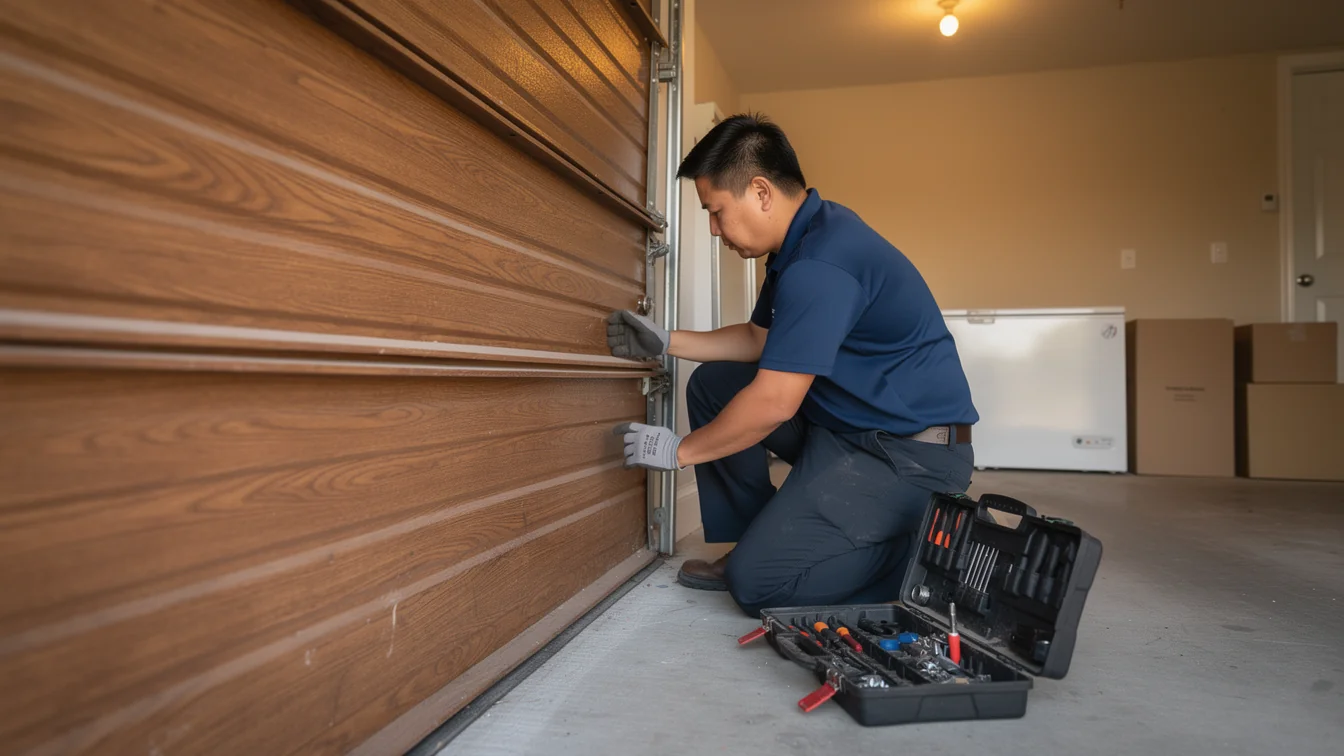
In Boerne, most houses date to the 1980s-2000s.
Read more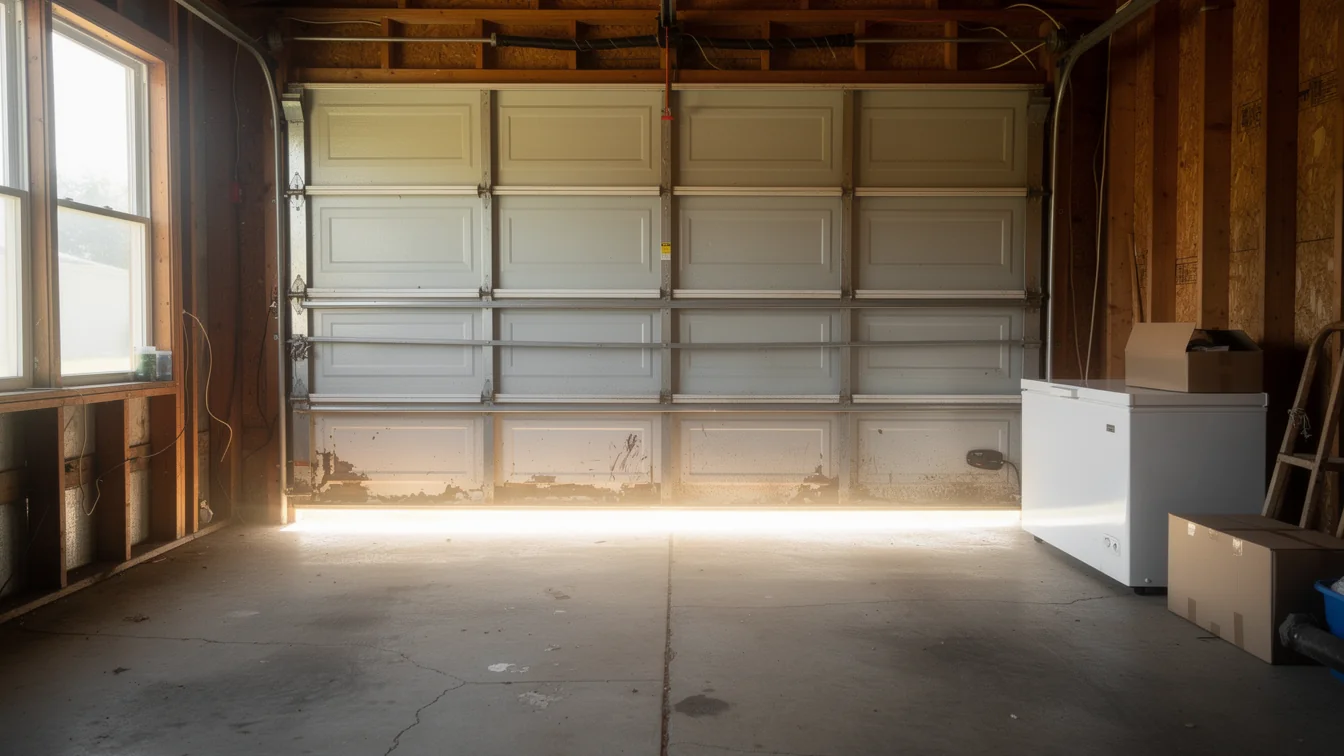
Boerne homes built between 1972 and 2005 carry original springs and openers nearing the end of their life.
Read moreReady when you are
Boerne Garage Door Pros repairs and installs garage doors, springs and openers in Boerne, TX and the surrounding area.