
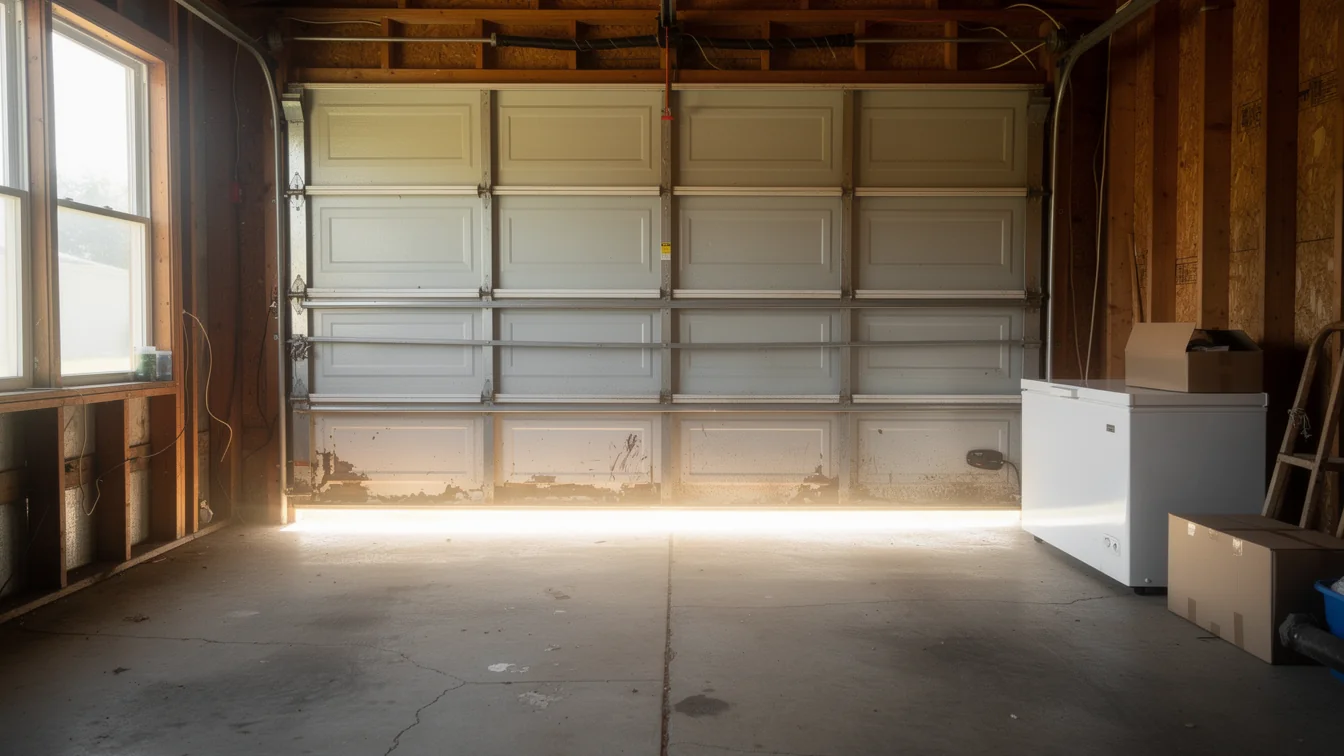
Garage Doors on Boerne's 1980s and 90s Housing Stock
Boerne homes built between 1972 and 2005 carry original springs and openers nearing the end of their life.
Read moreBlogBoerne, TX · 4 min read
Boerne homes built between 1972 and 2005 are hitting the age where original torsion springs fail, and the area's occasional freezes make it worse. Here's what to watch for.
Local detail
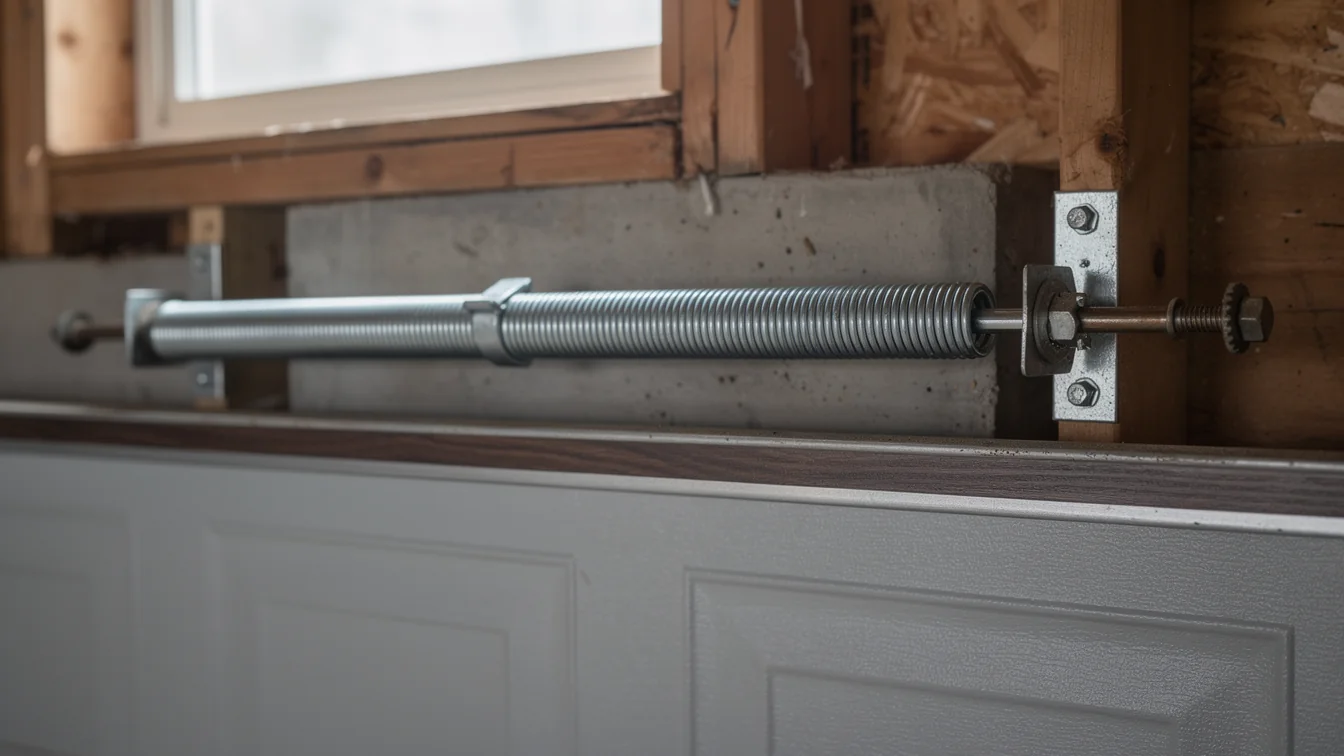
Most of the garage doors around Boerne went up with the house, and most of those houses were built between 1972 and 2005, with the heaviest concentration in the late 1980s and 90s across the eight areas that make up the bulk of the local stock. That means a lot of original torsion springs are now 20 to 45 years old. Steel fatigues with every cycle, and a spring that's been raising and lowering a door twice a day for three decades doesn't give much warning before it goes. You'll hear a bang, the door will feel twice as heavy, or it won't move at all. This isn't a failure that comes from bad luck. It's a failure that comes from math: a 10,000-cycle spring rated for 7-10 years has usually been asked to do a lot more than that by the time a house built in 1988 is being lived in by its third owner. The age of the housing stock here is the whole story, and it's why spring calls cluster the way they do, especially once a door is past the 15-year mark on its hardware.
The area
A torsion spring under tension can break a hand or worse, and that doesn't change no matter how handy you are. If the spring is visibly separated, if the door won't budge, or if you see a gap in the coil on either side of the center bracket, stop there. That's a wound spring holding a couple hundred pounds of door weight, and winding or unwinding it needs bars and a stance most people have never practiced. Replacing one spring on a double door almost always means replacing both, since the other one is the same age and close behind. We don't recommend DIY spring replacement, full stop - that's the honest limit here. What you can safely do is call it in and, while you wait, leave the door down and unplug the opener so nobody triggers it by accident. If the opener is straining or reversing, that's also a job for a call, not a tutorial.
What we find
Before you decide a spring needs replacing, there's a short list you can check without touching the spring itself. Look at the two coils on either side of the center bracket - a gap or visible separation means it's broken, not just worn. Listen for a loud pop from the garage, usually first thing in the morning; that's the sound of a spring letting go under cold tension. Watch how the door moves if you still have manual lift - a balanced door should stay roughly where you leave it partway up. If it drops like dead weight, the spring isn't carrying its share anymore. You can also check the cables running alongside the springs for fraying, since a worn cable often goes right before or right after the spring does. None of this requires winding bars or touching the coil under load. If anything looks off, write down what you saw and call it in rather than pushing the opener to force the door - a motor straining against a broken spring burns out fast and turns a spring job into a spring-and-opener job.
How we work
Boerne sits in a mild climate band that still gets occasional freezes, and that swing is exactly when a tired spring gives out. Steel contracts as it cools, and a spring that's already fatigued from 25 years of cycling has less margin to handle that extra stiffness on a cold morning. It's not a hard freeze that does it - it's the handful of mornings each winter when the temperature drops enough to tighten the coil just past what a worn spring can take. Houses in the areas toward Fair Oaks Ranch and Cross Mountain share that same build era, mostly 1980s and 90s construction, so a cold snap tends to produce a run of spring calls across those same neighborhoods within a day or two of each other rather than one house at a time. If your door has never had the spring replaced and the house is from that era, a cold morning is the moment it's most likely to go. Keeping the door's hardware lubricated doesn't stop a spring from aging, but it does mean less load on hinges and rollers when the metal is at its stiffest.
Questions
With most of the area's housing built between 1972 and 2005, a lot of original torsion springs are now 20 to 45 years old. A standard spring is rated for roughly 10,000 cycles, which most doors reach well before the 20-year mark, so age is the main thing driving failures here, not any one bad day.
Boerne's climate is mild but still sees occasional freezes. Steel coils tighten slightly as they cool, and a spring that's already fatigued from years of cycling has less give to handle that added stiffness. The spring doesn't fail because of the cold alone - the cold just finds the weak one first.
We don't recommend it. A wound torsion spring holds enough tension to cause a serious injury, and it takes practice with winding bars to do safely. If one spring on a double door has broken, plan on replacing both, since they're the same age and wear at the same rate.
Check the cables running beside the springs for fraying, and look at the rollers and track for binding. A door that's heavy but has an unbroken spring sometimes has a cable or roller problem instead, which is a different repair than a spring replacement.
Recommendation
More garage door guides for Boerne homeowners.
Boerne homes built between 1972 and 2005 carry original springs and openers nearing the end of their life.
Read more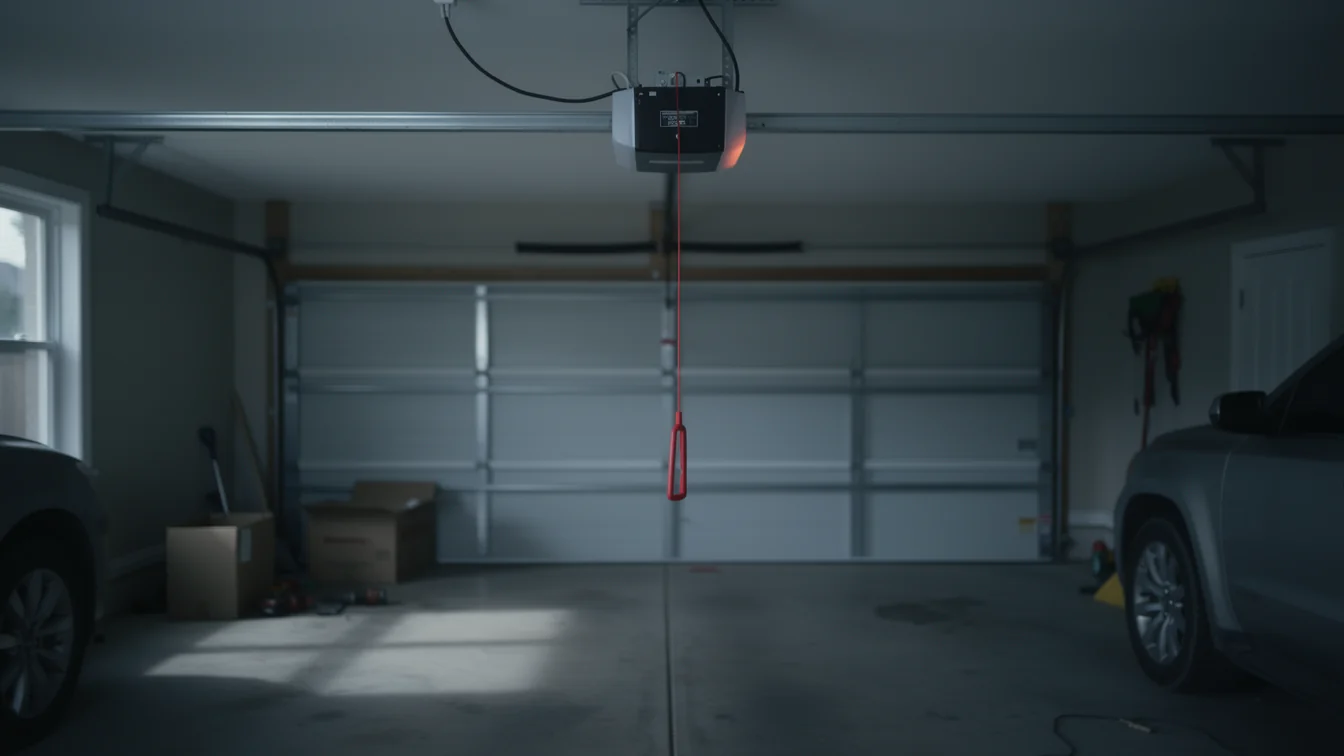
Boerne homes built between 1972 and 2005 carry openers that weren't made for today's power cuts.
Read more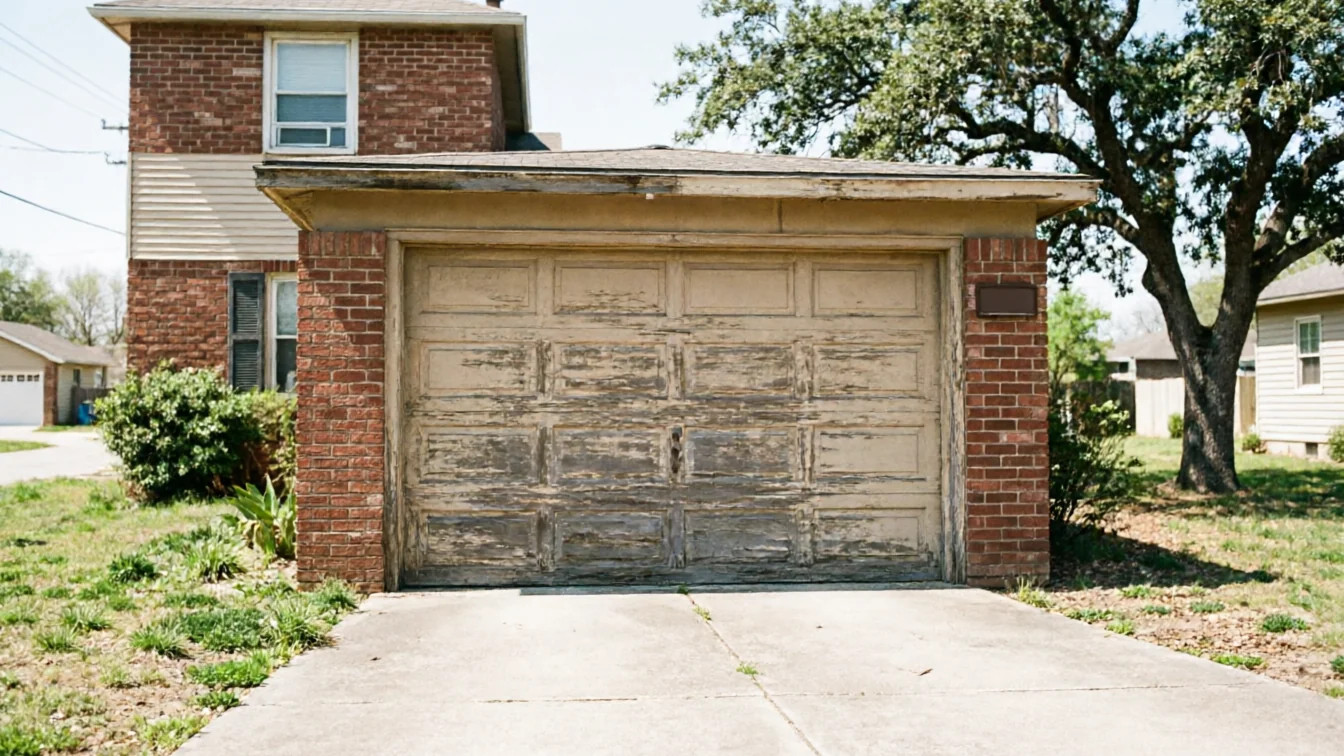
Most Boerne homes went up between 1972 and 2005.
Read moreReady when you are
Boerne Garage Door Pros repairs and installs garage doors, springs and openers in Boerne, TX and the surrounding area.