What Can Go Wrong
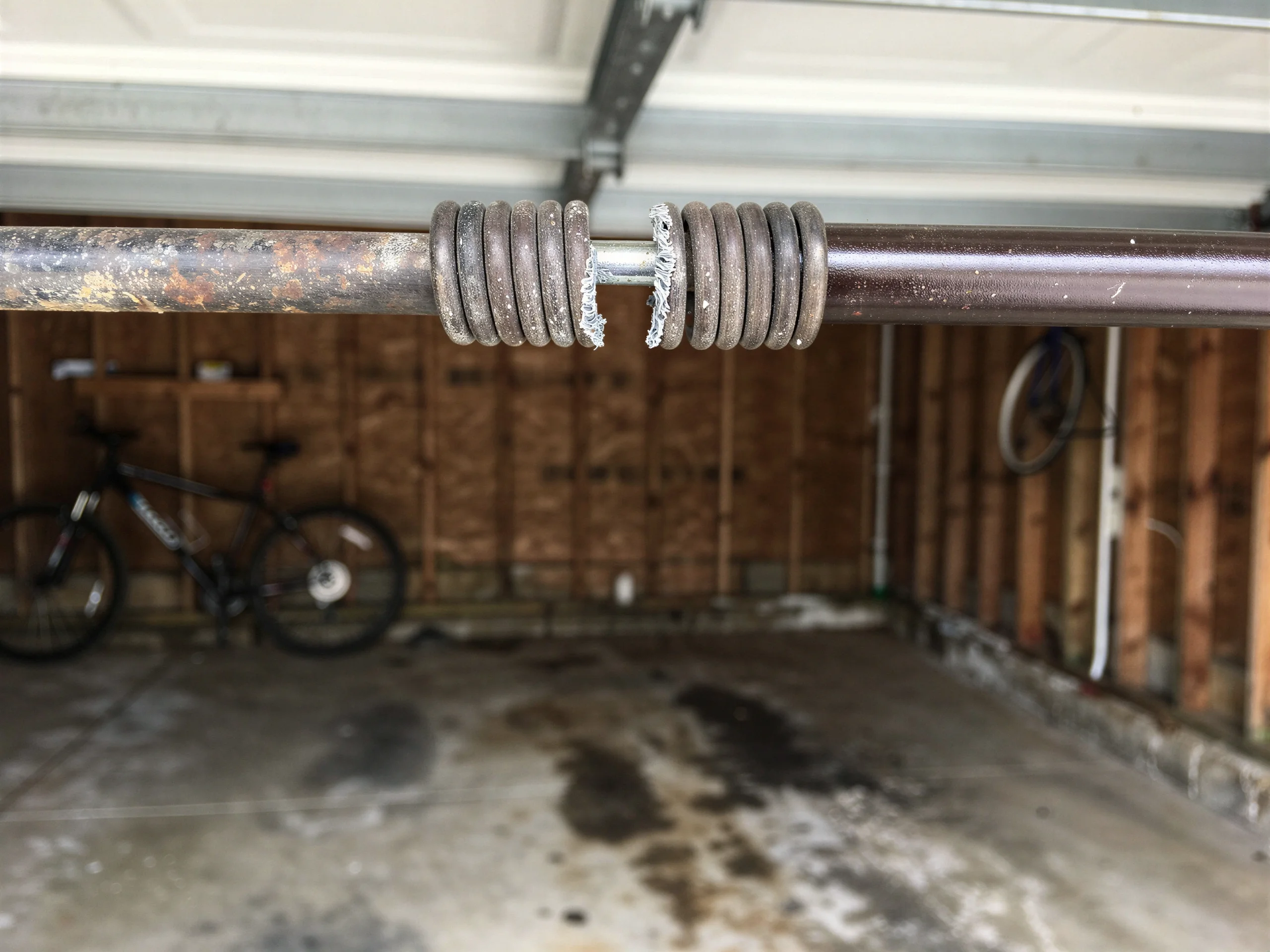
Most garage door calls in Boerne break down into a short list: a torsion spring that's lost its temper and snapped, rollers that have worn their track groove wide, an opener logic board that's given out, or a cable that's frayed through at the drum.
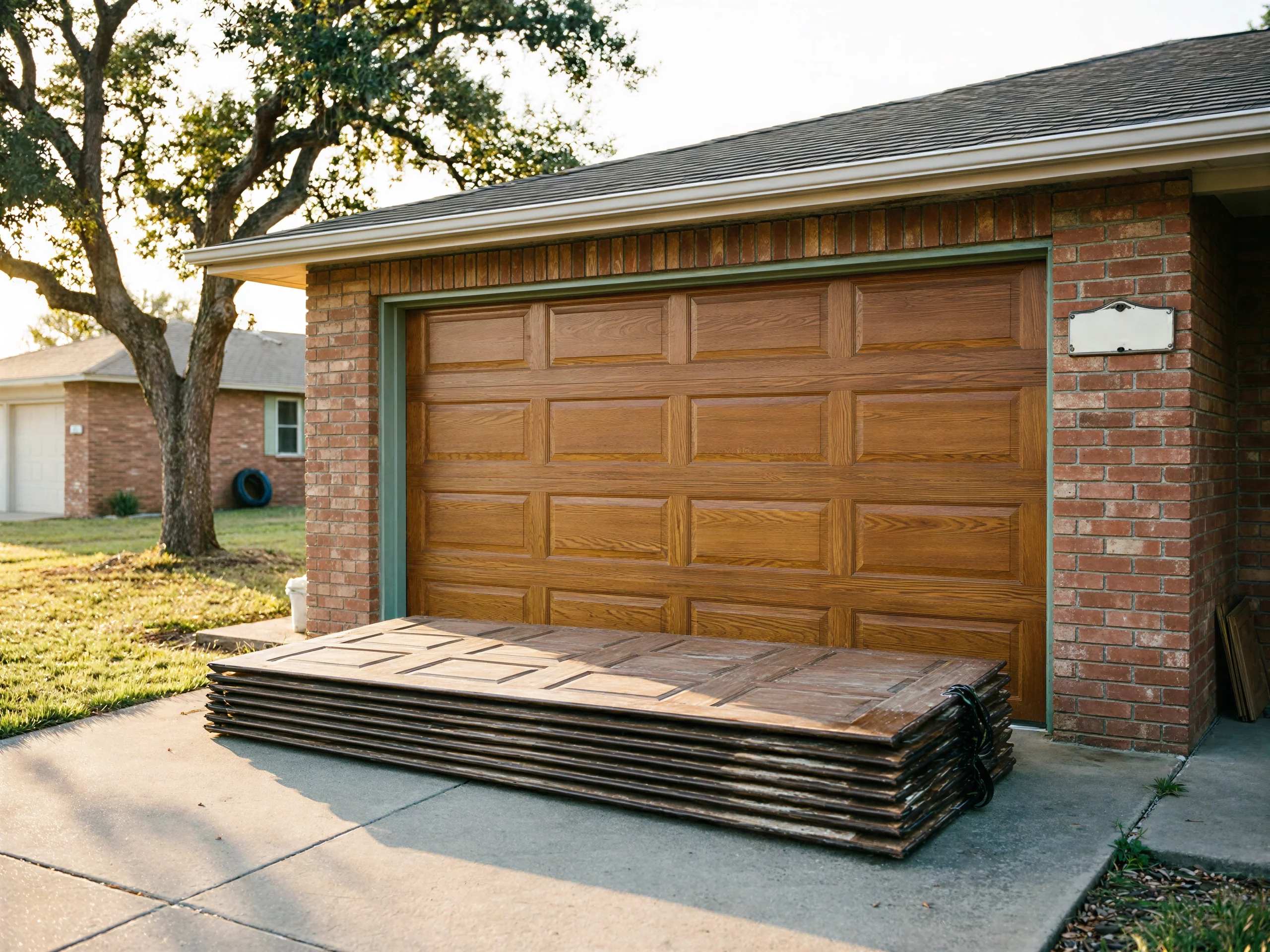
Double door spring failure
On a double-wide door, a single broken spring will drop the door on one side and leave it crooked in the opening - that's the one job you don't want to force through with the opener still running, because the extra strain goes straight into the gears.
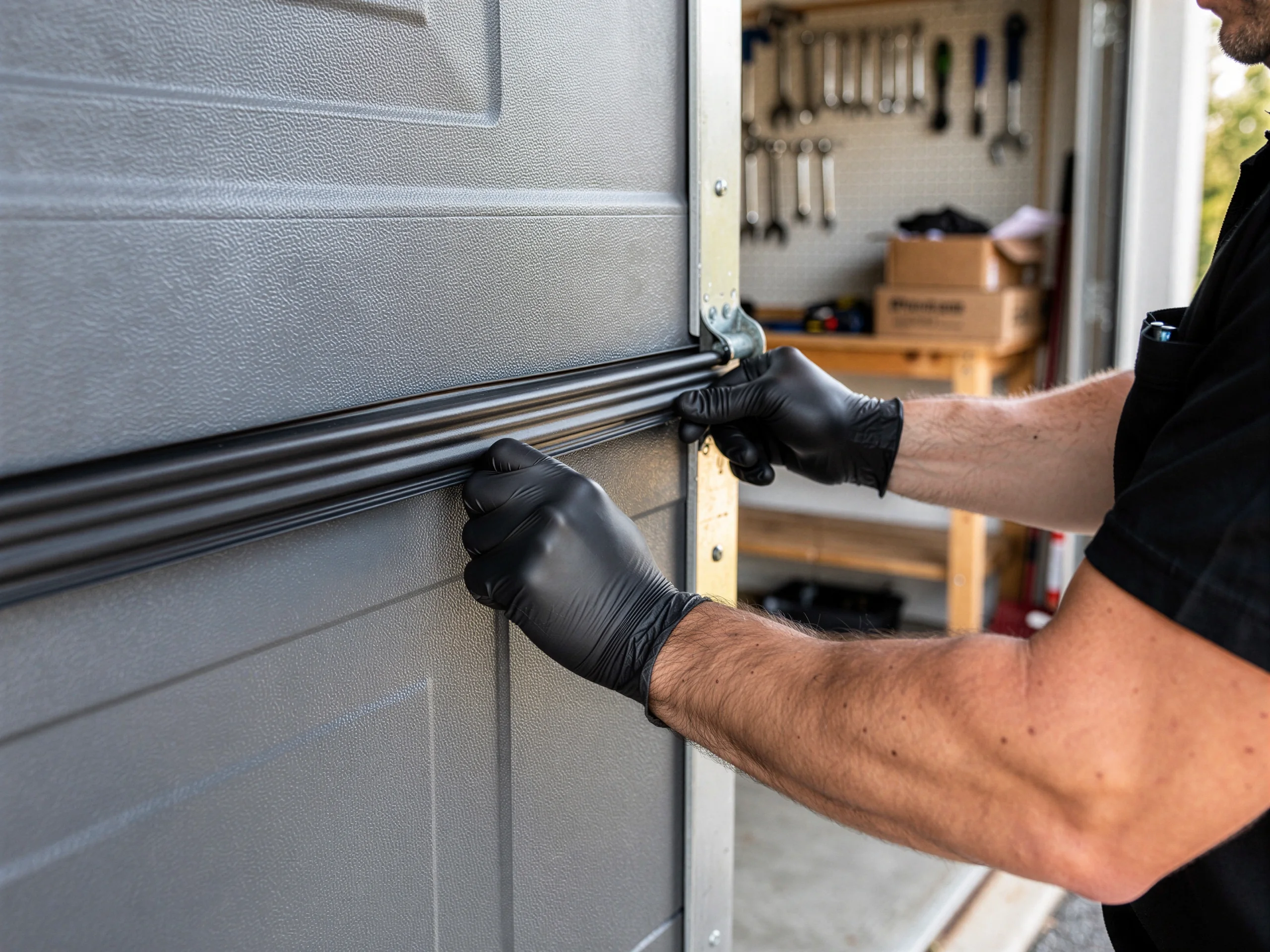
Bent tracks and seals
We also see bent tracks from a car bumper tap, and bottom seals that have cracked and let the gap under the door widen over a few seasons. None of this is exotic.
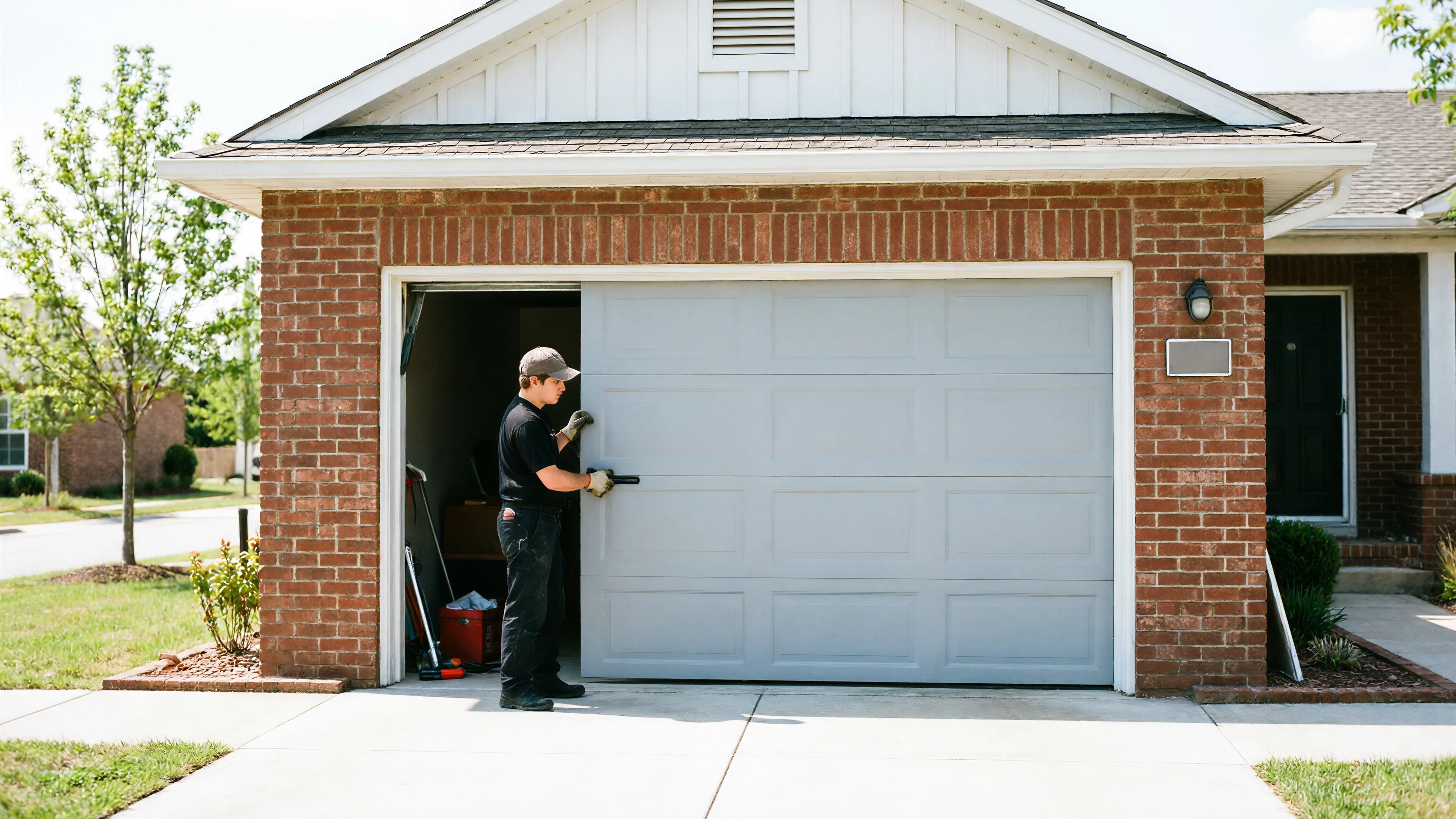
Diagnosis from the driveway
It's the same handful of parts wearing out in the same handful of ways, which is actually good news - it means a tech who's seen the pattern can usually diagnose it from the driveway before touching a wrench. The part that takes judgment is knowing whether a spring on a 1990s door is original or already a replacement, because that changes what size and wind we order.
The Symptom
The warning almost always shows up before the failure does. A door that used to run quiet starts grinding on the way up, or it hesitates for a beat halfway through the cycle before the opener pushes it the rest of the way.
Loud pop from spring
Some owners notice the door sagging slightly on one side when it's down, or hear a single loud pop from the garage with no obvious cause - that's usually a spring letting go under no load, which is actually the safer time for it to happen.
Blink codes on opener
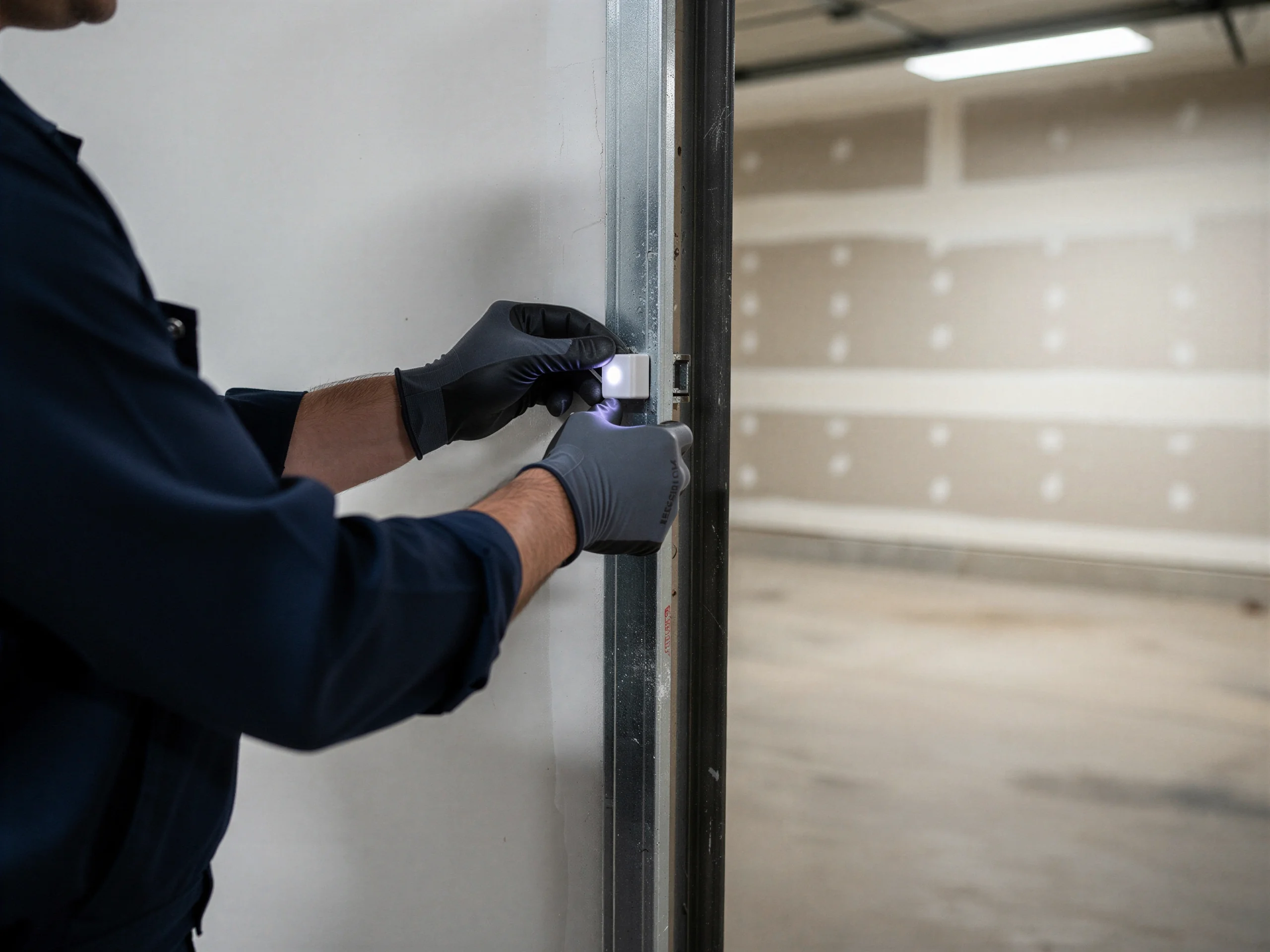
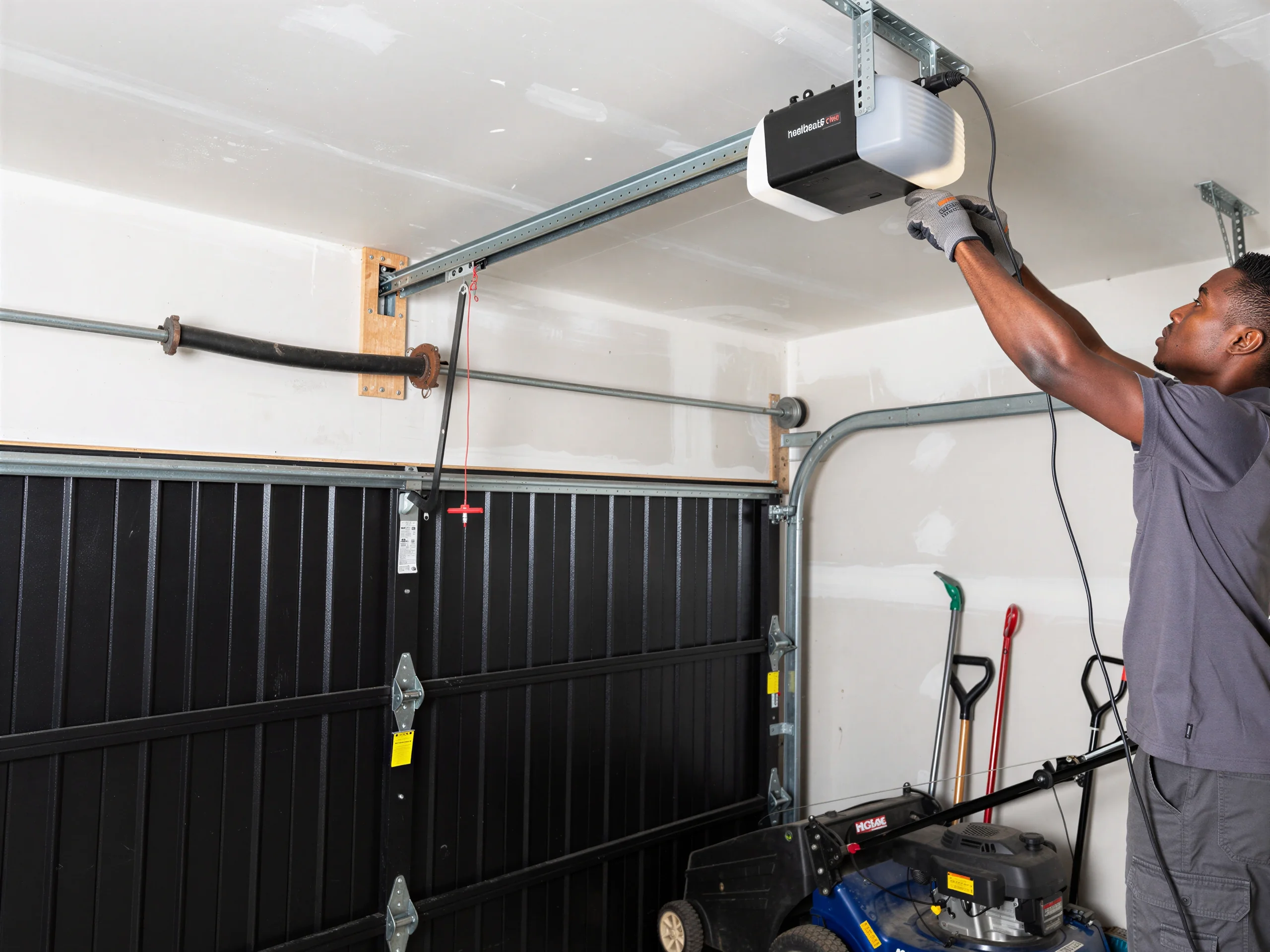
If the opener light blinks a set number of times and won't run the door at all, that's the control board telling you which circuit it thinks failed, and it's worth writing the blink count down before you call anyone, since it saves a diagnostic step.
Bottom reversal, sensor issue
A door that reverses on its own near the bottom of travel is a sensor or track alignment issue, not a spring issue, and treating the wrong one wastes a trip.
Doing It Yourself
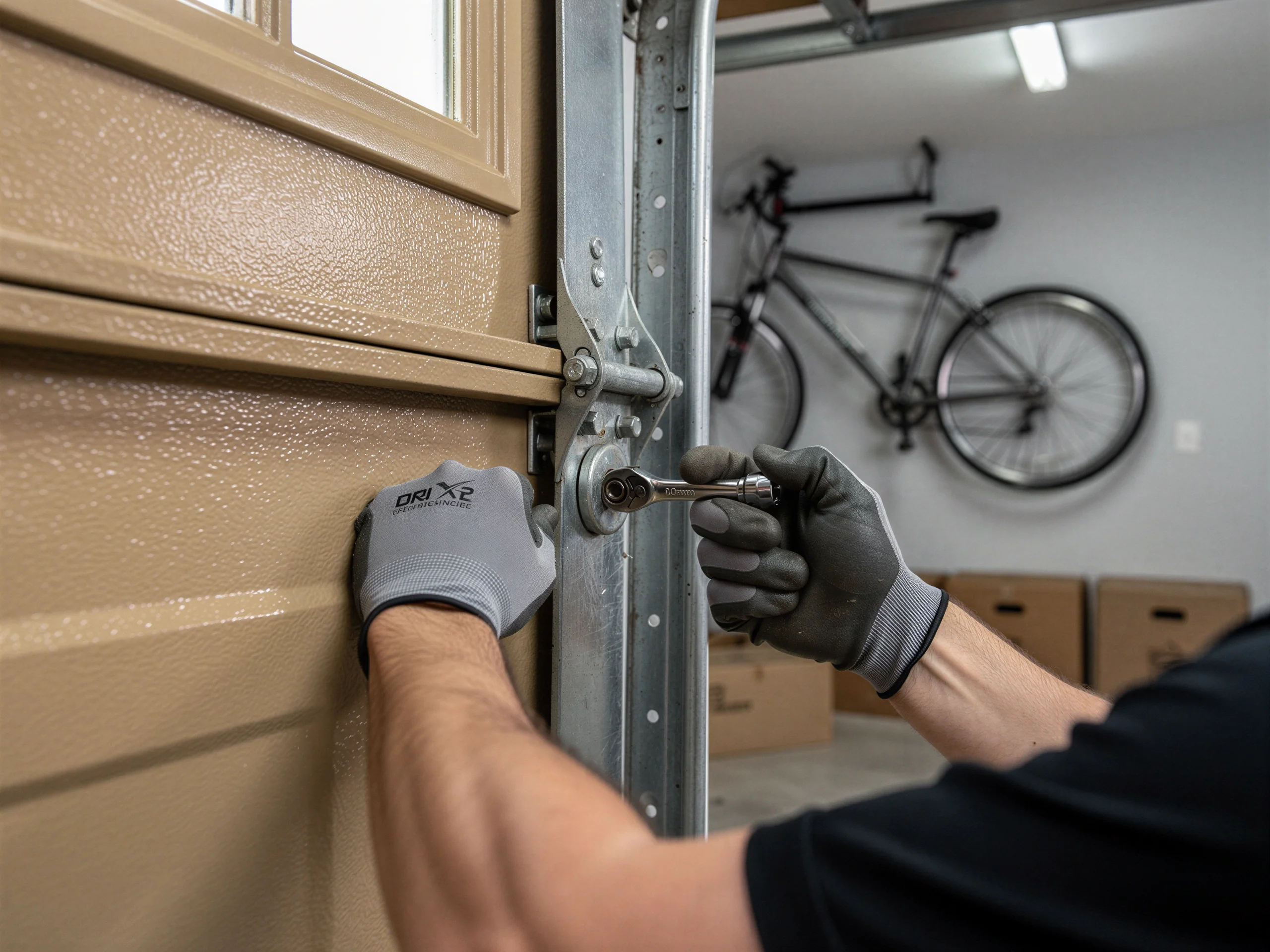
Lubricating hinges and rollers, tightening loose hardware, and testing the auto-reverse safety feature are all fine for a homeowner to do with the door unplugged. What isn't worth attempting: touching a torsion spring under tension. These springs store enough force to break a wrist or worse, and the winding bars and clamps for doing it safely aren't something most garages have lying around. Cable replacement has the same problem - it's under load even when the door looks still. If you're set on DIY, the honest limit is anything below the horizontal track: adjusting opener travel limits, swapping a remote battery, cleaning the photo-eye sensors. Above that line, on the spring and cable side, call it in. We'd rather talk you out of a job than show up to a hospital story.
Why It Happens Here
Boerne's housing stock across its neighborhoods mostly went up between 1972 and 2005, with the bulk of it dating to the 1980s and 90s - which means a lot of original torsion spring setups and first- or second-generation chain-drive openers are still in service, thirty-plus years into a part rated for somewhere around 10,000 cycles. The region sits in a mild climate with occasional freeze nights, and that swing matters more than people expect: steel springs and cables contract in a cold snap, and a spring that was already fatigued from three decades of cycling is more likely to let go on the first hard freeze of the year than in the middle of a warm August. We cover the Boerne service area out toward Fair Oaks Ranch, Cross Mountain, and Helotes, and the pattern holds across those areas too - older torsion hardware meeting the same seasonal temperature swing. It's not a dramatic climate, just enough of a swing, repeated every winter, to find the weak link in a thirty-year-old spring.
Talk to a local pro
Garage door service in Boerne?
Same-day service with honest, upfront quotes.