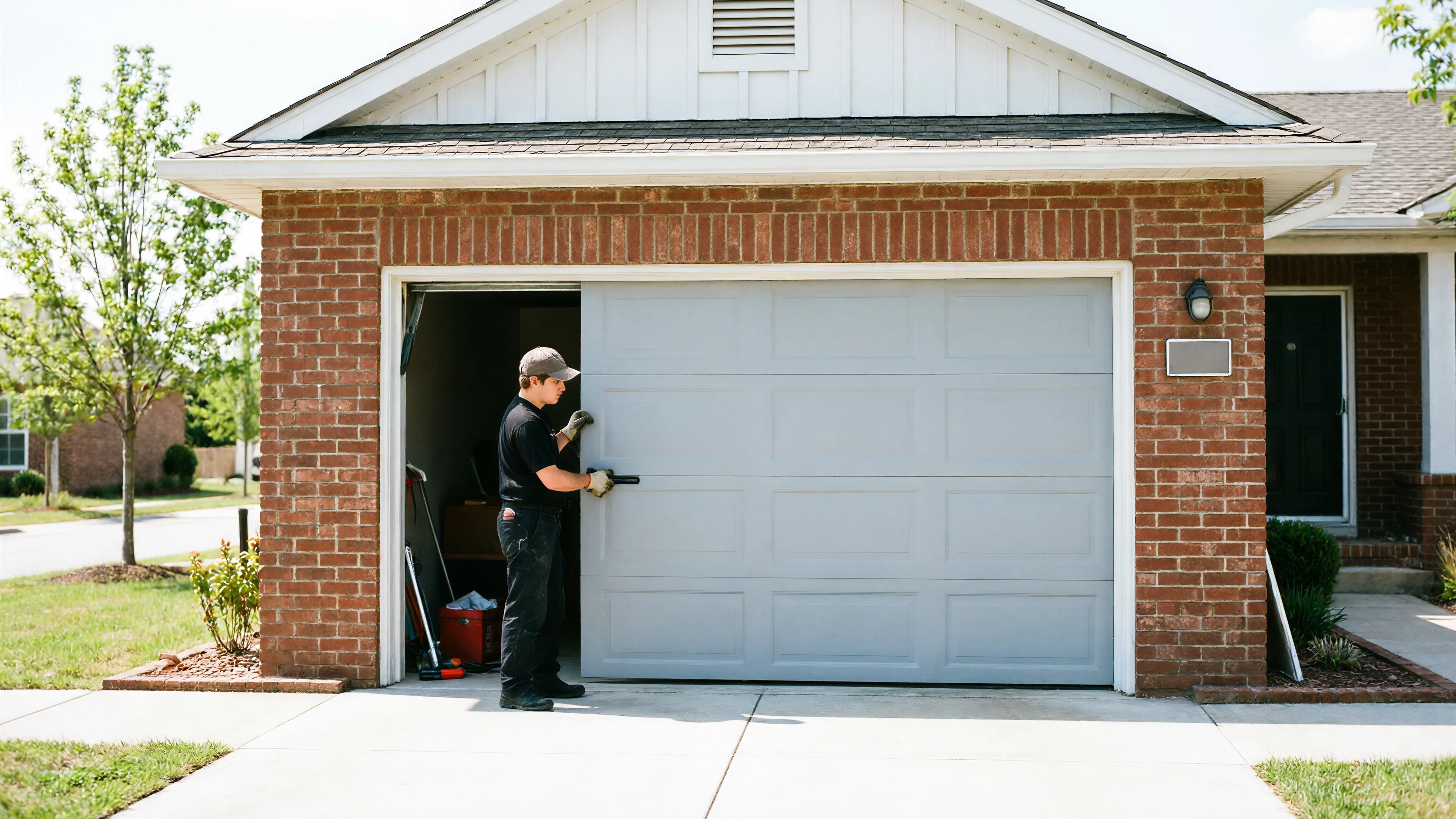
Doing It Yourself
Hollywood Park is a small place - about 1,168 households, not a sprawling zip code with new subdivisions going up every year. That size matters for maintenance because the housing stock is consistent: most doors here date back to construction from around 1972, which means the hardware you're dealing with is older than what we see in newer parts of the service area.
Monthly spring inspection
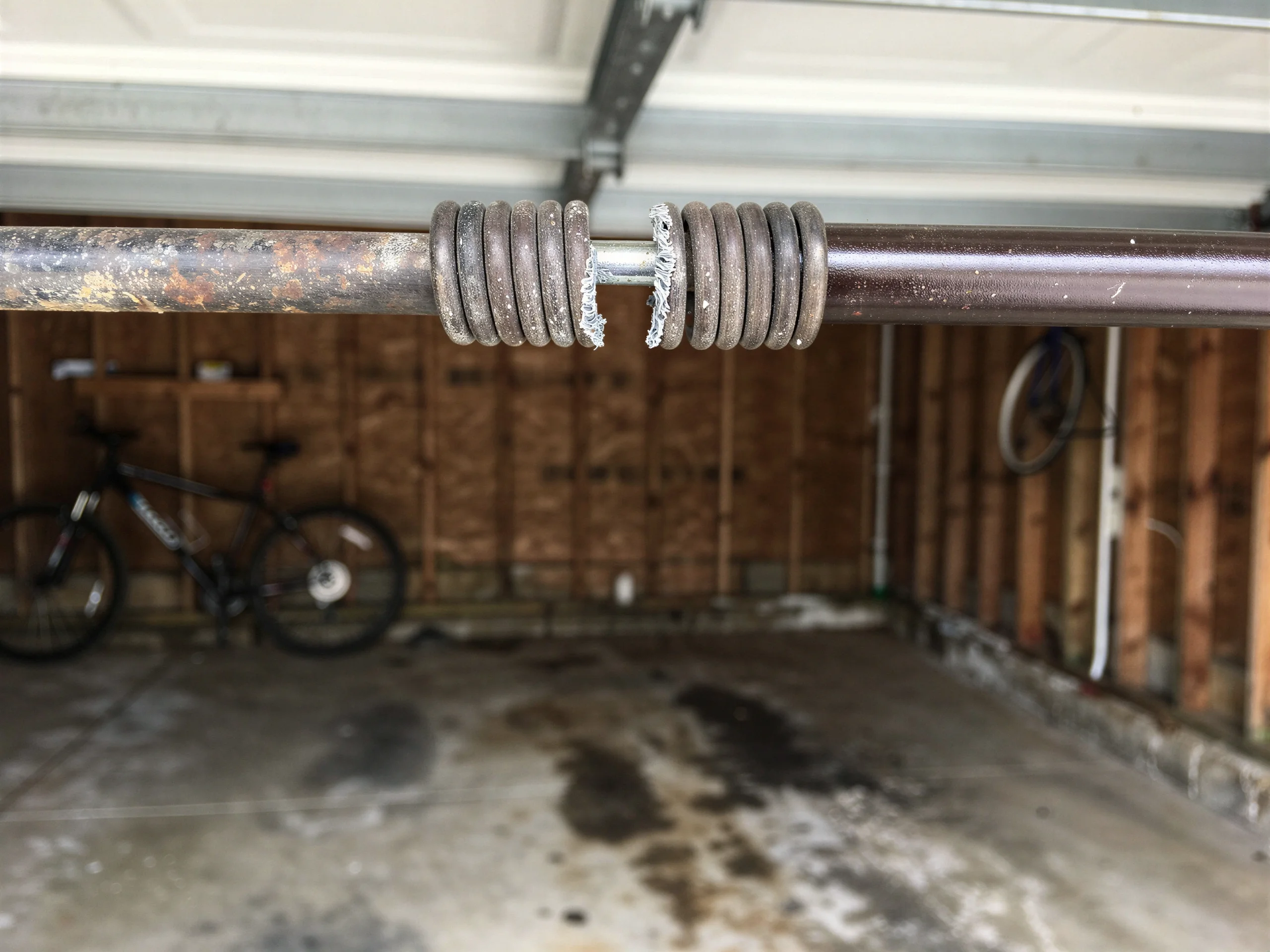
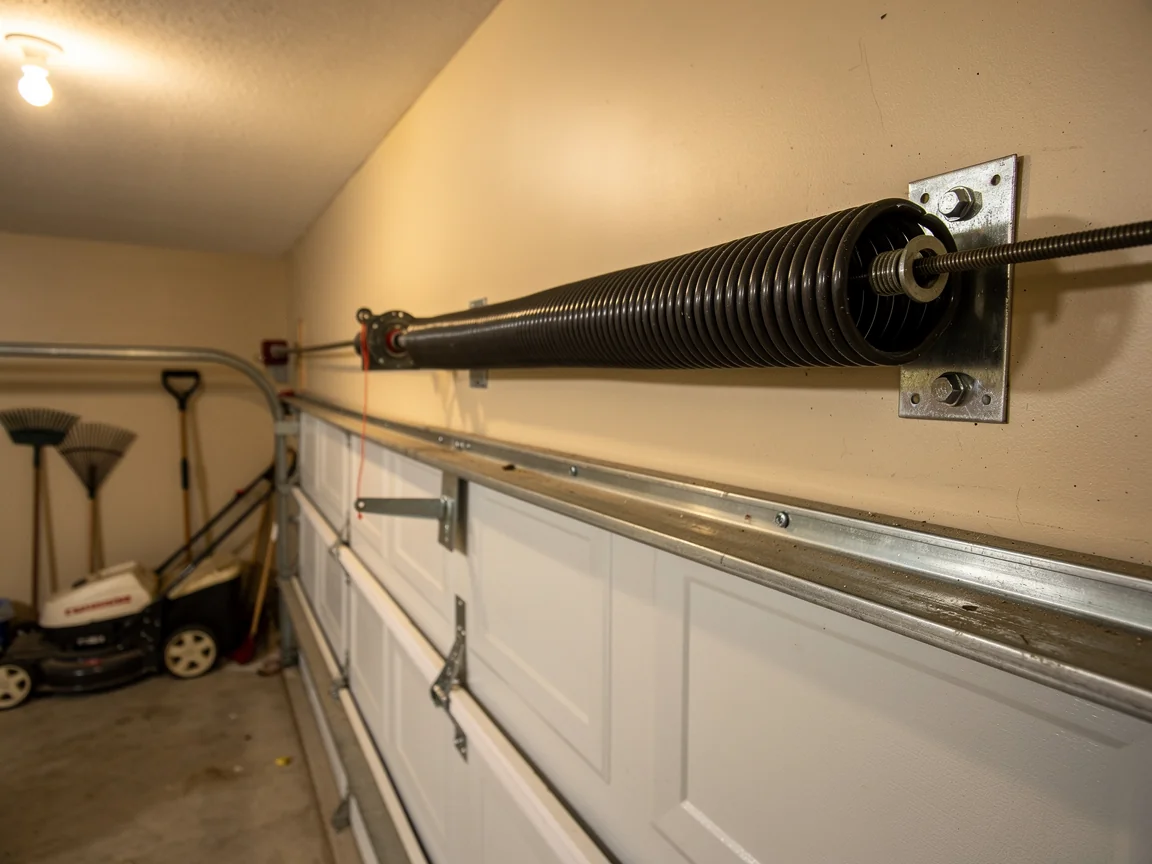
You can do some of this yourself. Once a month, look at the springs for gaps in the coils or rust streaks. Pull the release handle with the door closed and lift by hand - it should move smoothly and hold its position about halfway up.
Dry rag on tracks
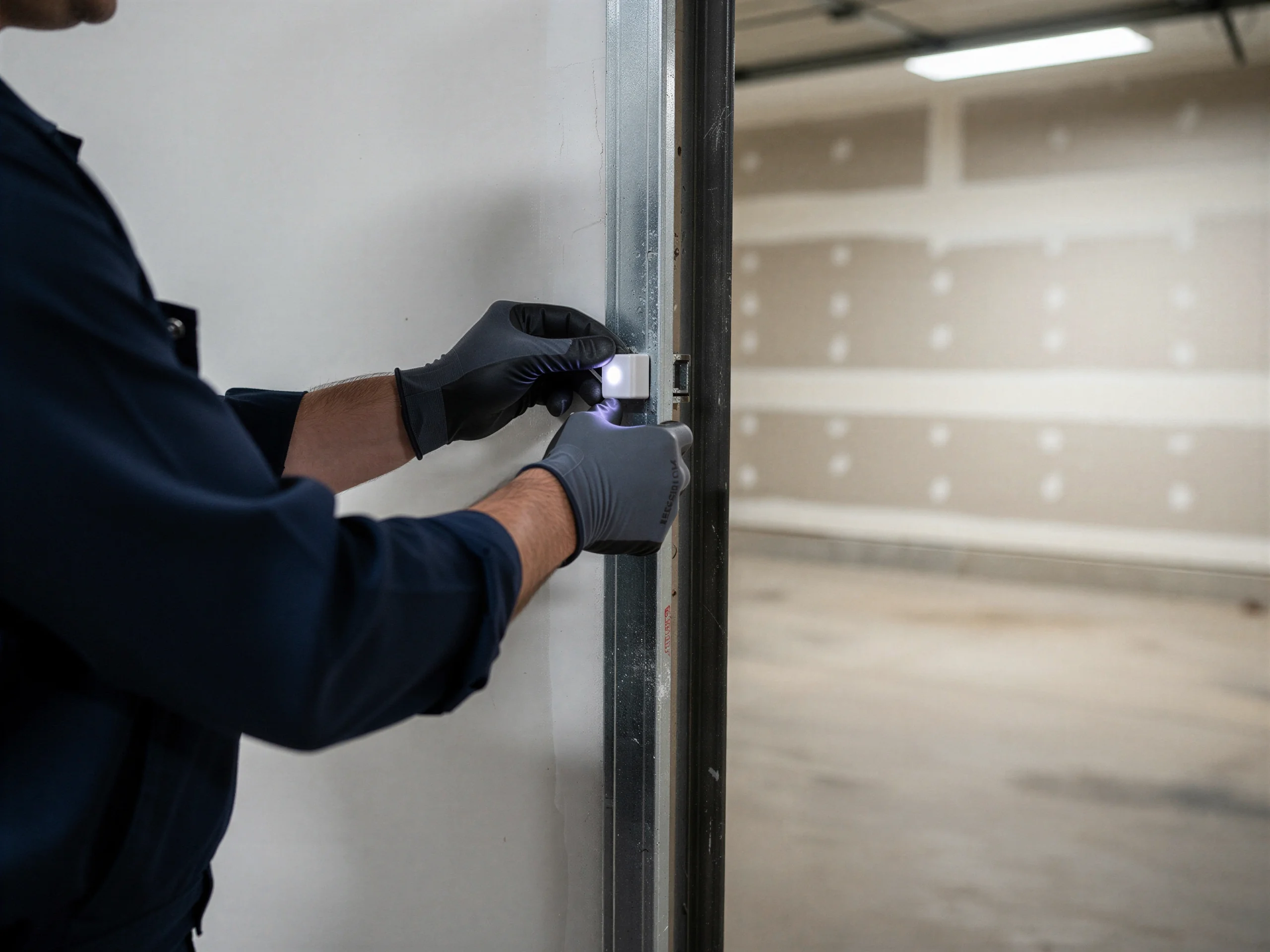
If it drops, the springs are losing tension and that's not a DIY fix. Wipe the tracks with a dry rag rather than spraying oil into them; oil collects grit and makes rollers bind. Check that the photo-eye sensors near the floor are clean and aimed at each other.
Undocumented spring sizing
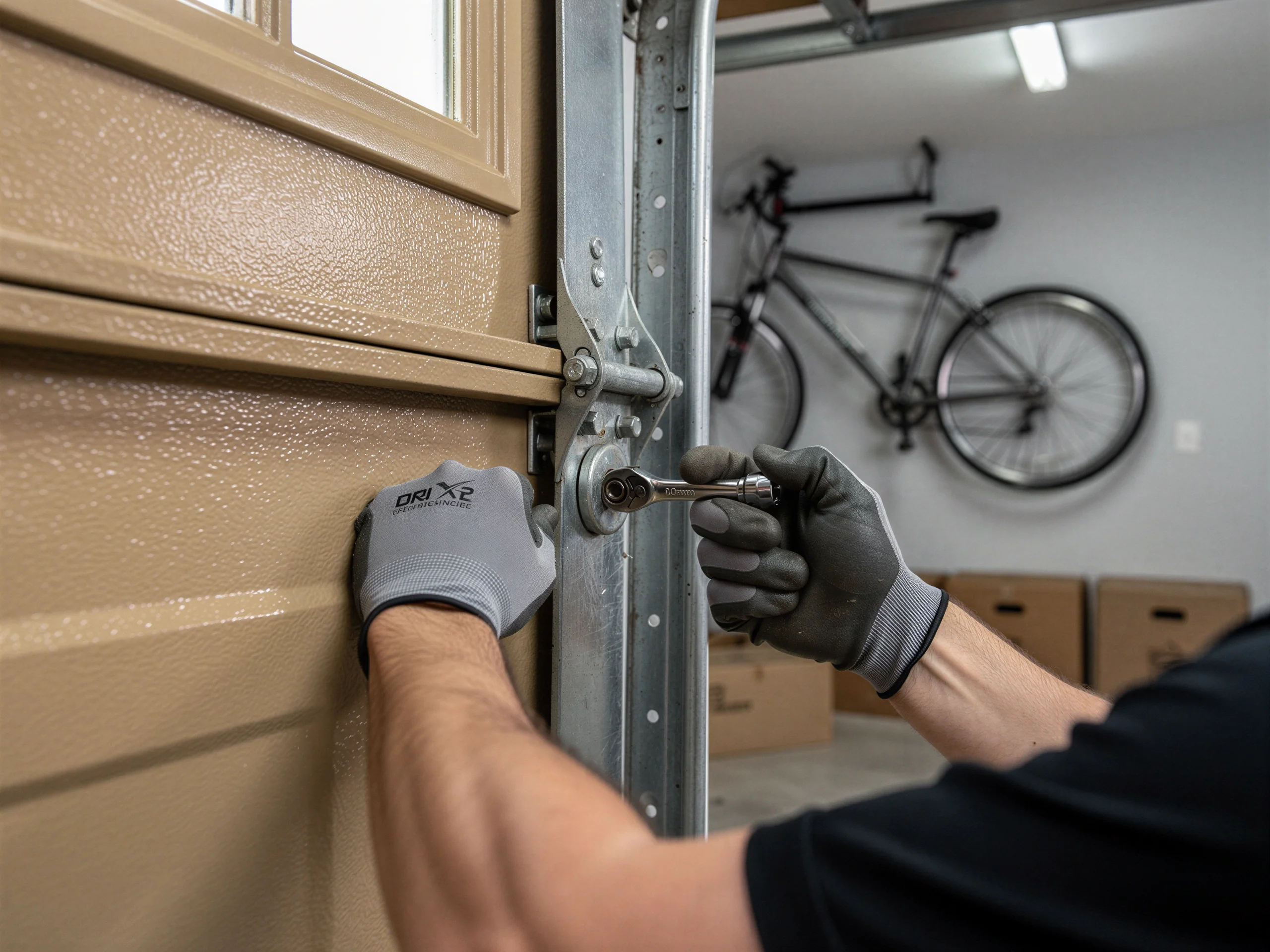
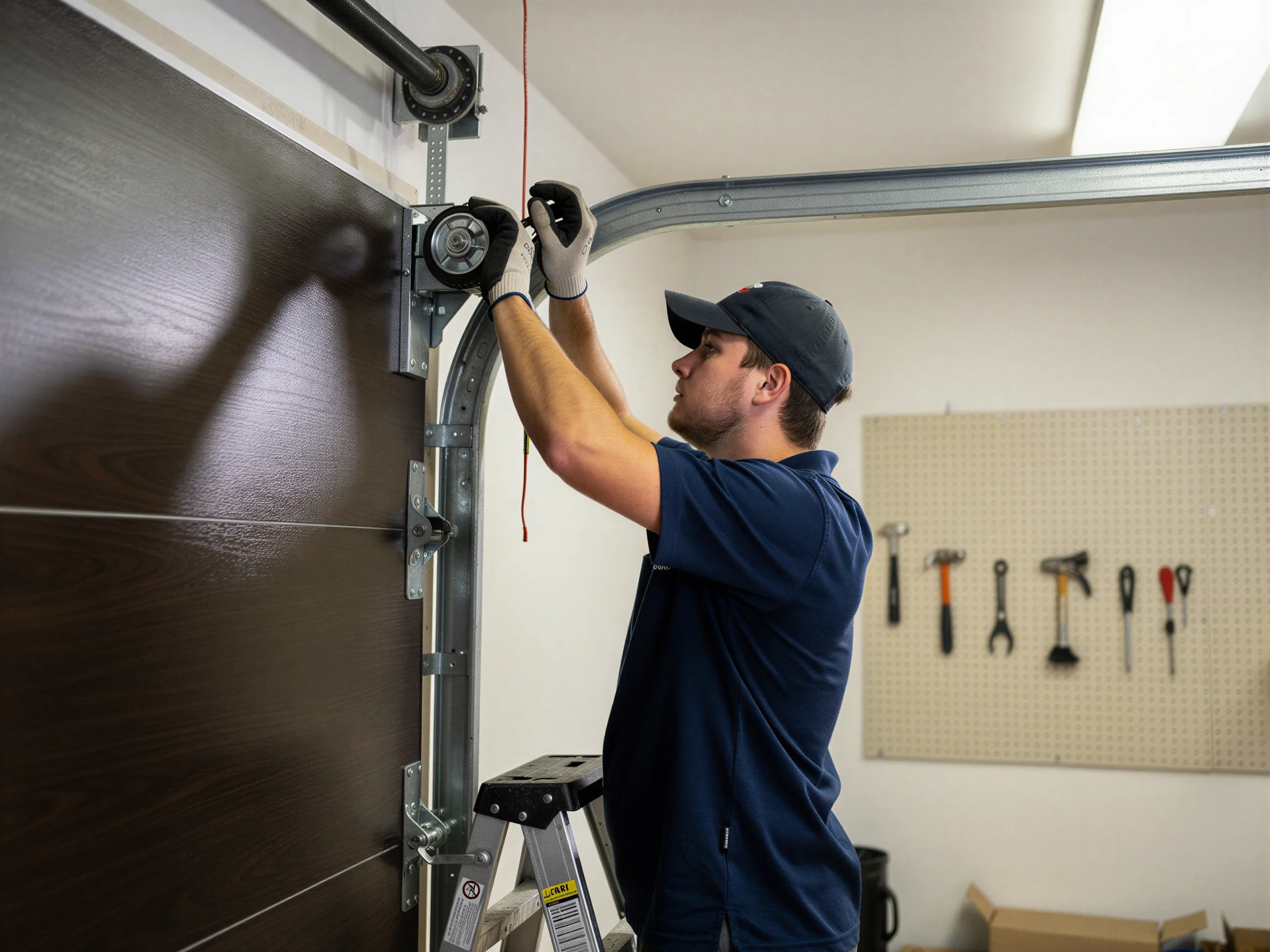
What you shouldn't touch: torsion spring adjustment, cable replacement, or anything involving the winding cones. Those carry enough stored force to break a hand or worse. On a door built to 1970s standards, the spring sizing is often undocumented, and guessing wrong on tension is how people get hurt.
How to Book
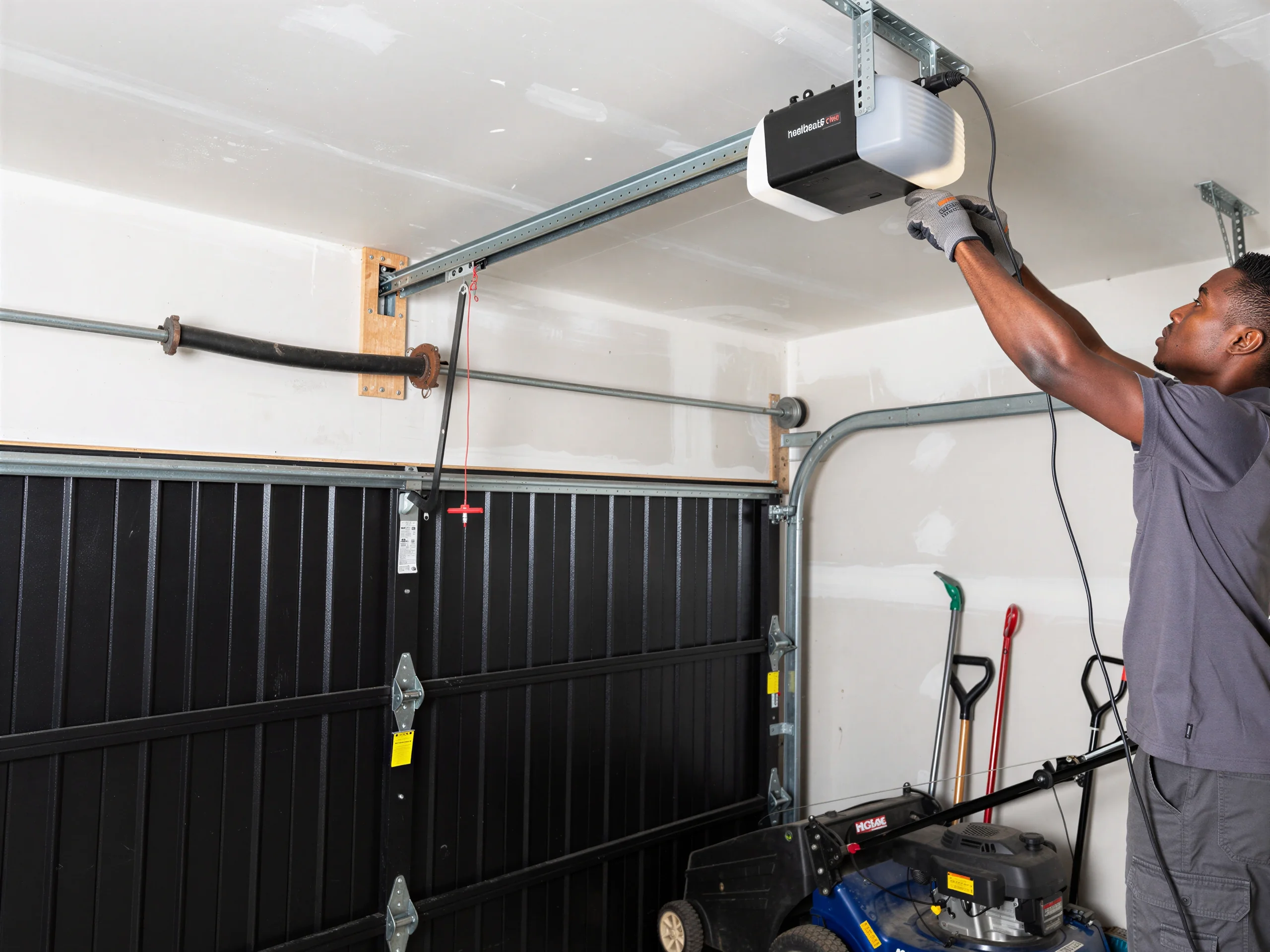
We run out of Boerne, about 19 miles from Hollywood Park, so we schedule maintenance visits rather than drop in unannounced. Call or use the contact form on our Hollywood Park page and tell us the door's age if you know it - on a street built around 1972, that one detail changes what we bring. If you're not sure, we can usually tell from a couple of photos of the spring setup and the opener model plate.
We don't keep a branch or a truck staged in Hollywood Park itself, so same-day visits aren't something we promise here. Plan maintenance a week or so out and we'll fit the trip into a run through the area.
The Symptom
The complaint we hear most from this stretch of homes is a door that groans or shudders partway through its travel, then catches again.
Oval worn rollers
On hardware this old, that's almost always a roller that's worn oval instead of round, dragging in a track that's developed a slight bend from decades of use.
Motor strain from weak spring
A second common one: the opener runs but the door barely moves, which on a 1972-era torsion setup usually means the spring has lost enough tension that the motor is doing work it was never built to do. Neither of these is an emergency the day it starts. Both get worse fast once the motor starts compensating for a mechanical problem it can't fix.
What Is on the Truck
For a neighborhood built out this long ago, we carry torsion springs in the older wind sizes, not just the common modern stock sizes. We bring standard-lift and high-lift cable the originals used, plus replacement rollers in both nylon and steel - a lot of these doors still run steel rollers from the original install, which are noisy but not always broken.
We don't carry every obsolete opener logic board. If the opener itself is original to a 1972 build, board-level parts for it may not exist anymore, and the honest answer at that point is replacement, not repair.
Why It Happens Here
The climate here sits in a mild band with occasional freeze nights, which doesn't crack doors the way a hard freeze-thaw cycle does, but it does let steel hardware slowly rust where cheap primer from a 1970s build has worn through.
Aged hardware, not neglect
Combine that with homes in this income range - median household income here runs around $140,357 - and what we actually see is doors that were never neglected, just aged past their original hardware's service life.
Owners call early
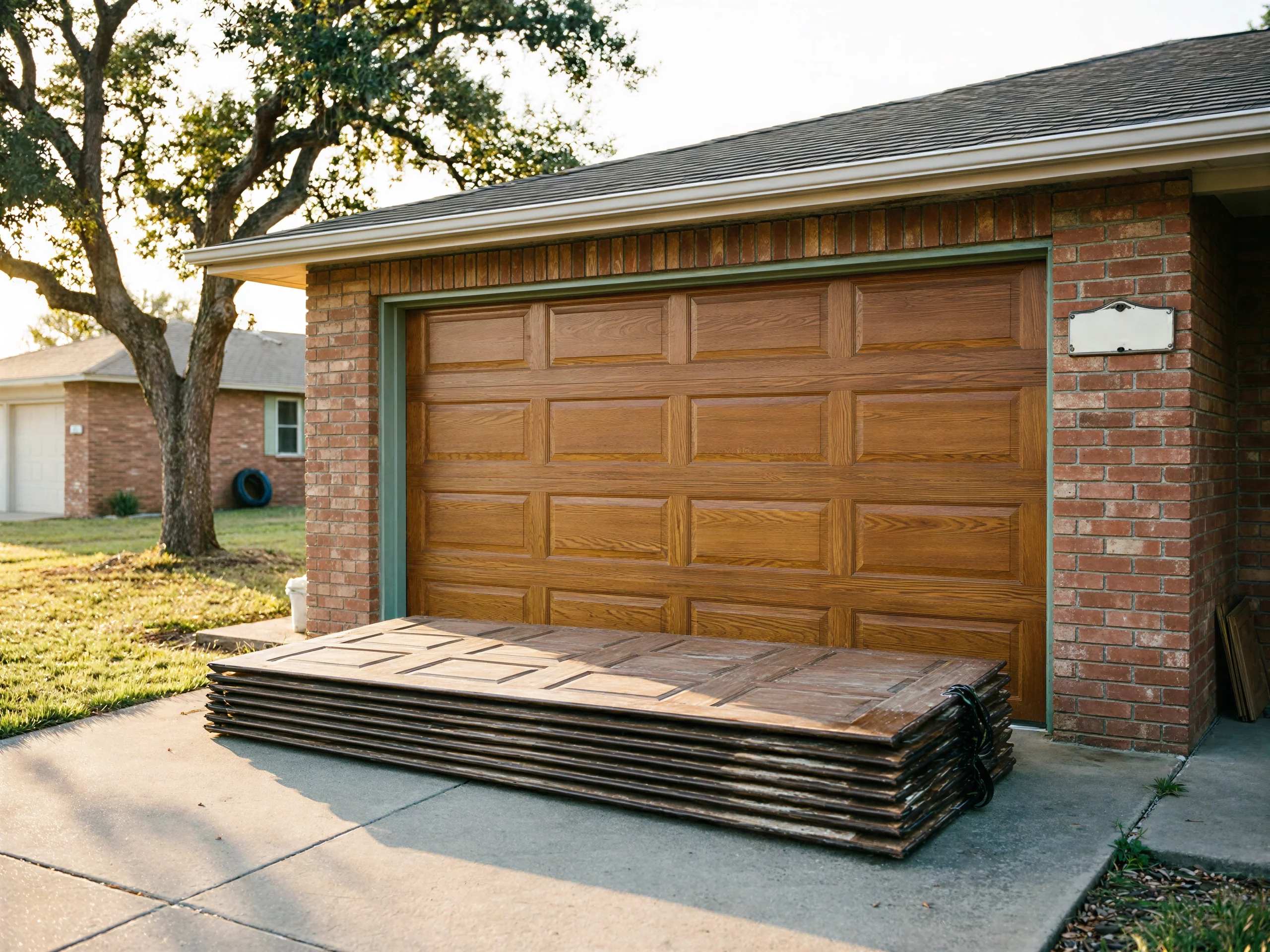
Owners here tend to call before total failure, which is why so many of our Hollywood Park jobs are maintenance and partial hardware swaps rather than full replacements.
What Can Go Wrong
On a door this old, the panels themselves are often fine - it's steel and it doesn't fatigue the way springs and cables do. What fails first is anything that moves: hinges stretch their holes, the torsion bar's bearing plates wear thin, and center bearings seize from decades without grease.
The real risk with a 1972-era door is a cable that's frayed and about to snap under full spring tension. That's a sudden, loud failure, not a slow one, and it can bring the door down hard. If you hear a sharp pop or see strand wear on a cable, stop using the door and call before it lets go on its own.
Talk to a local pro
Garage door service in Boerne?
Same-day service with honest, upfront quotes.