Doing It Yourself
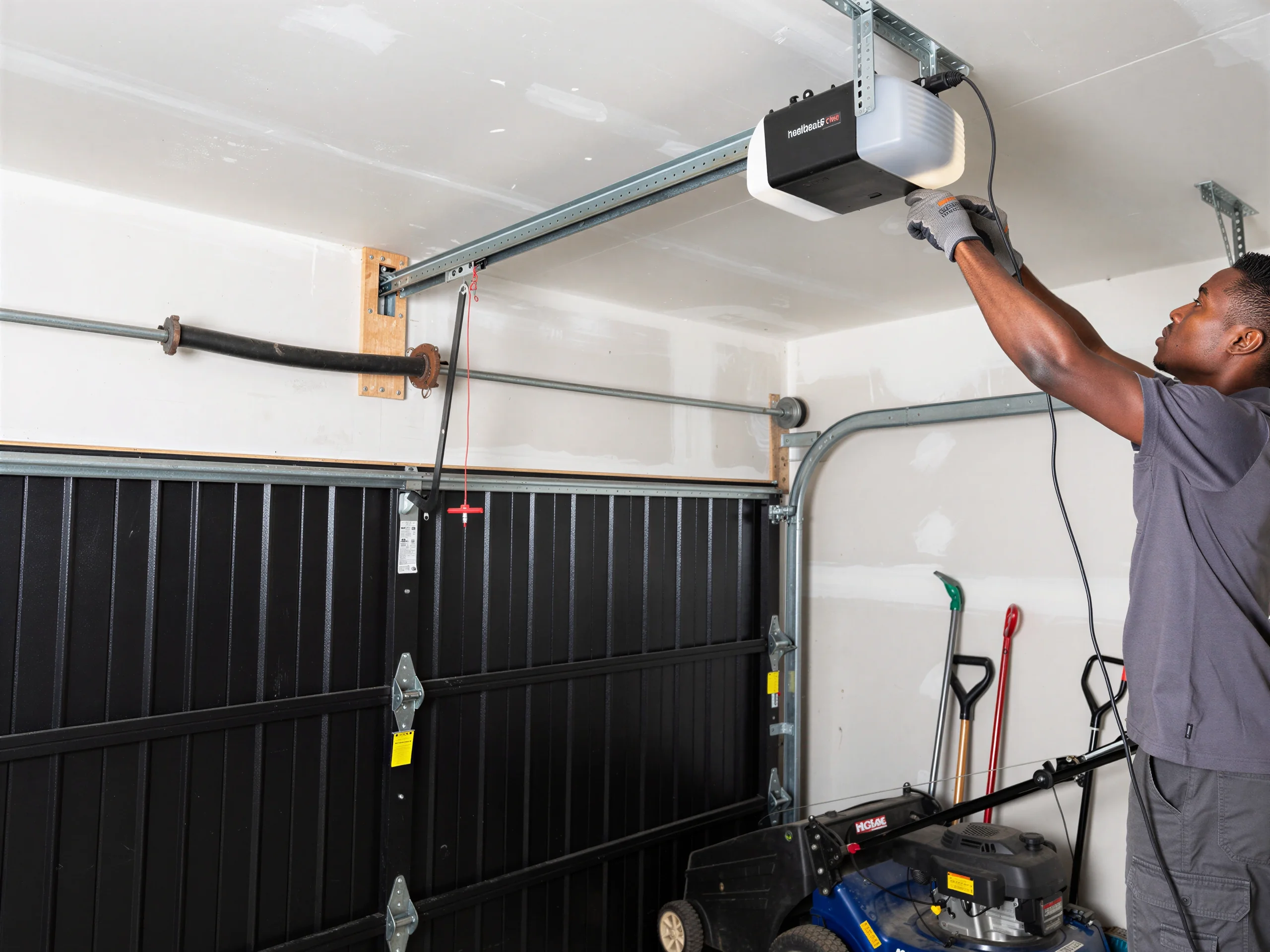
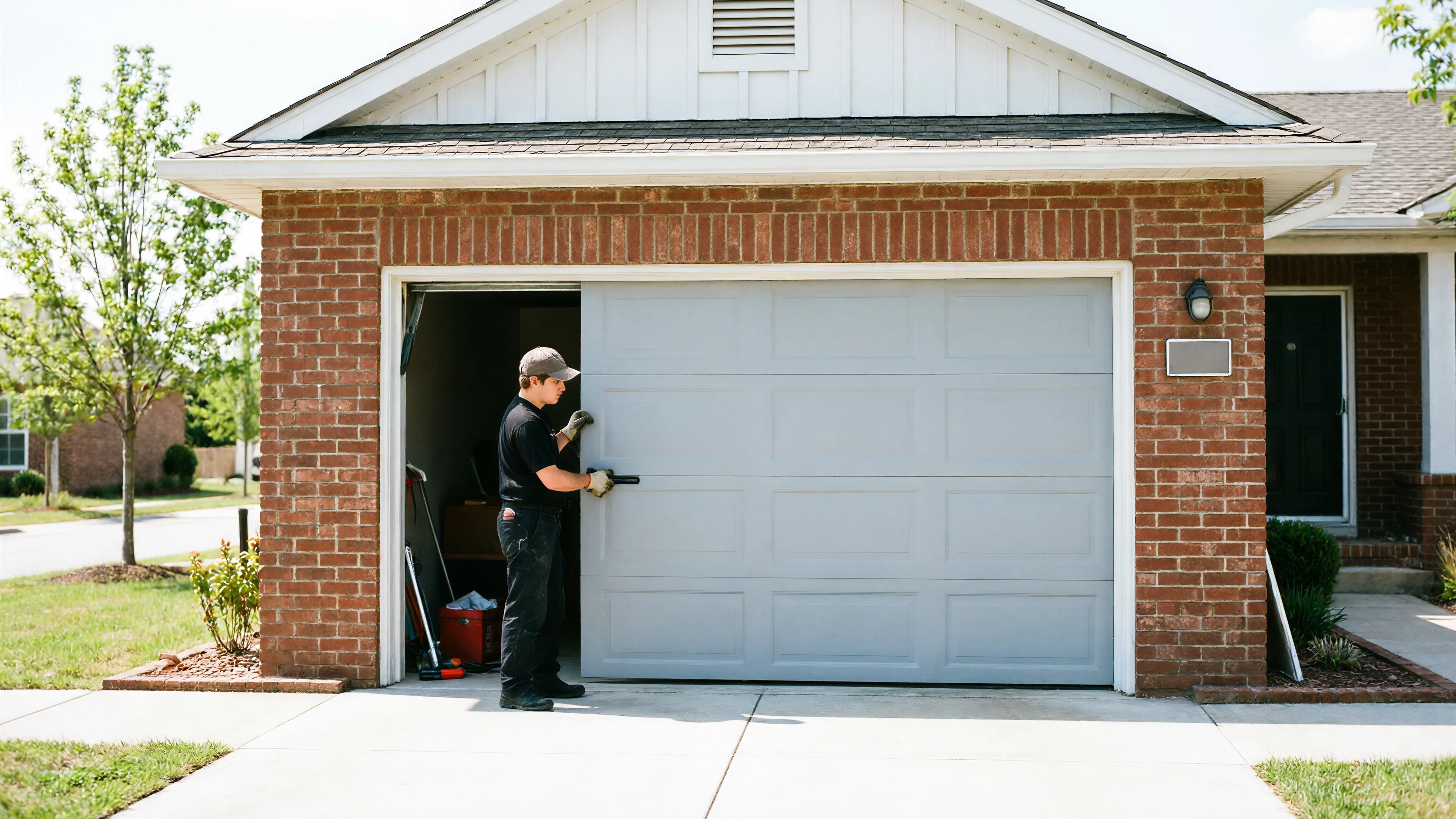
Swapping an opener looks simple from a YouTube video: unbolt the old head unit, hang the new one, plug it in. The part that trips people up in a neighborhood like this one is the door itself, not the opener.
Heavier original wood doors
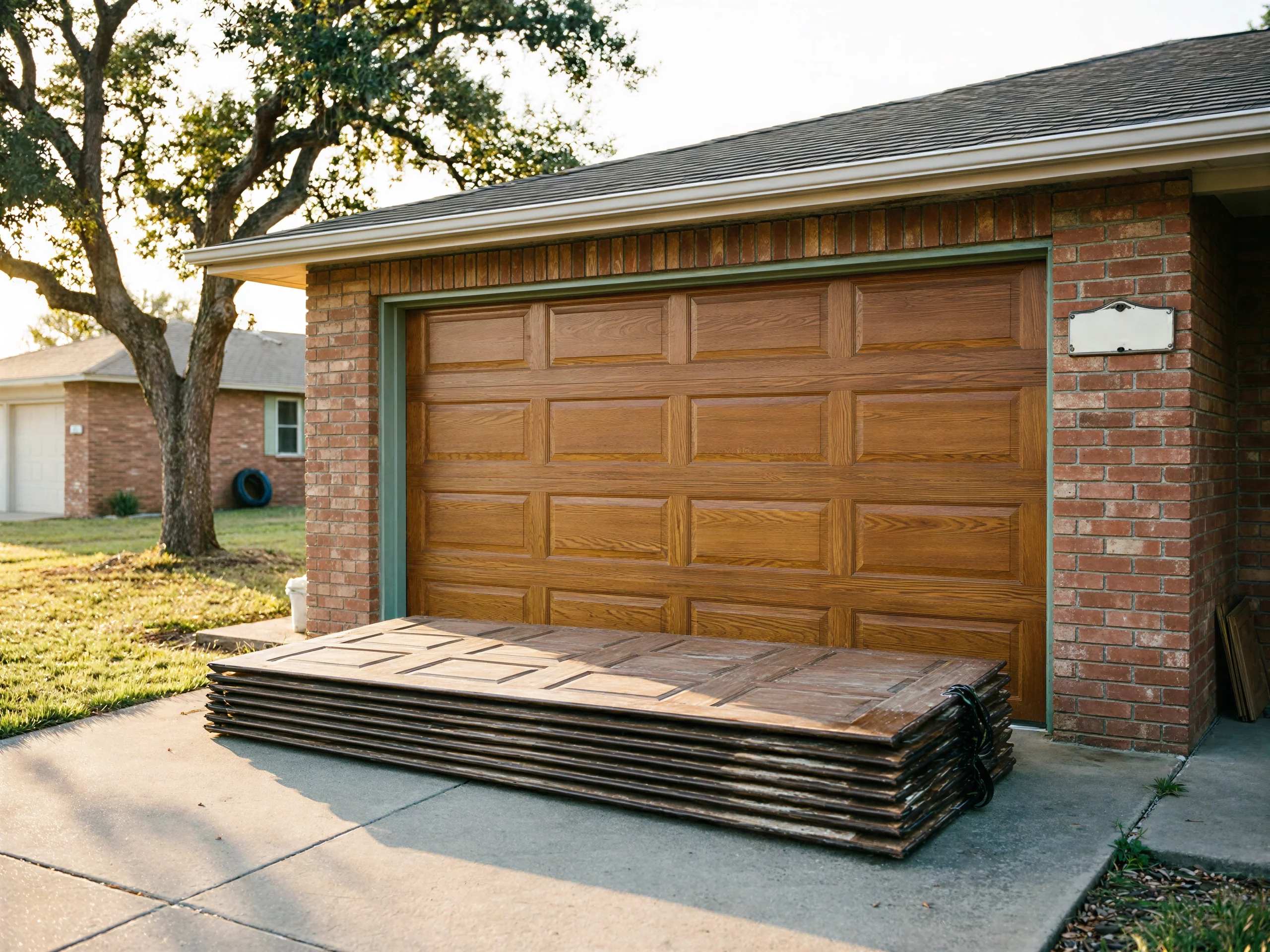
A lot of Hollywood Park homes date to around 1972, which means original doors are heavier than what a modern 1/2-HP belt drive expects - thicker wood panel construction was standard then, before steel and insulated steel took over later in the service area's build-out. Put an undersized opener on an old heavy door and you'll strip the gear inside it within a year or two, sometimes sooner.
Wiring and header bracket
There's also the wiring and bracket side. Older garages weren't framed with an opener in mind, so the header bracket and the wall control often need new mounting, not a straight bolt-swap. If you're comfortable with a stud finder, a drill, and reading a torque spec, the install itself isn't beyond a handy homeowner.
Stop before spring work
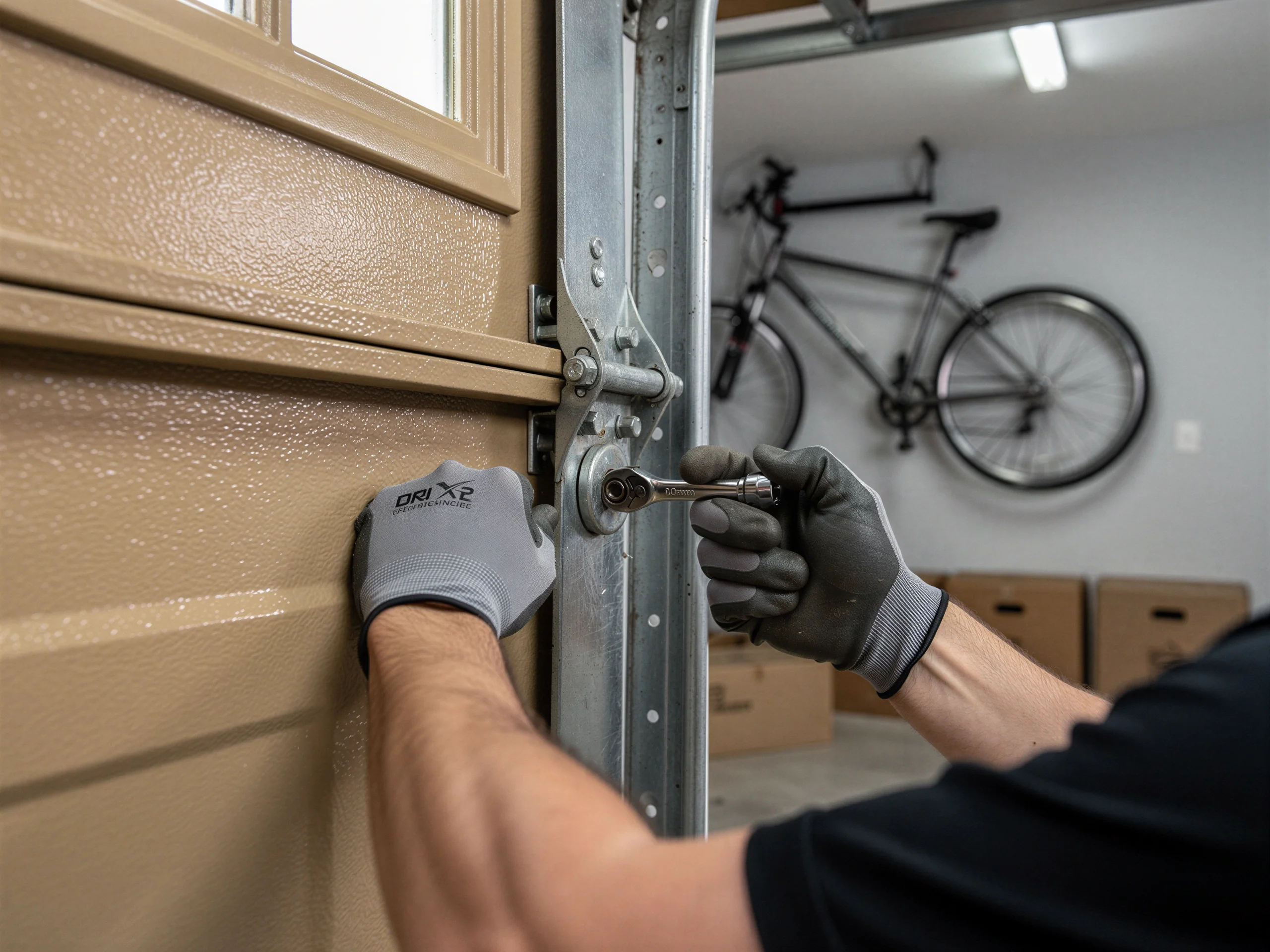
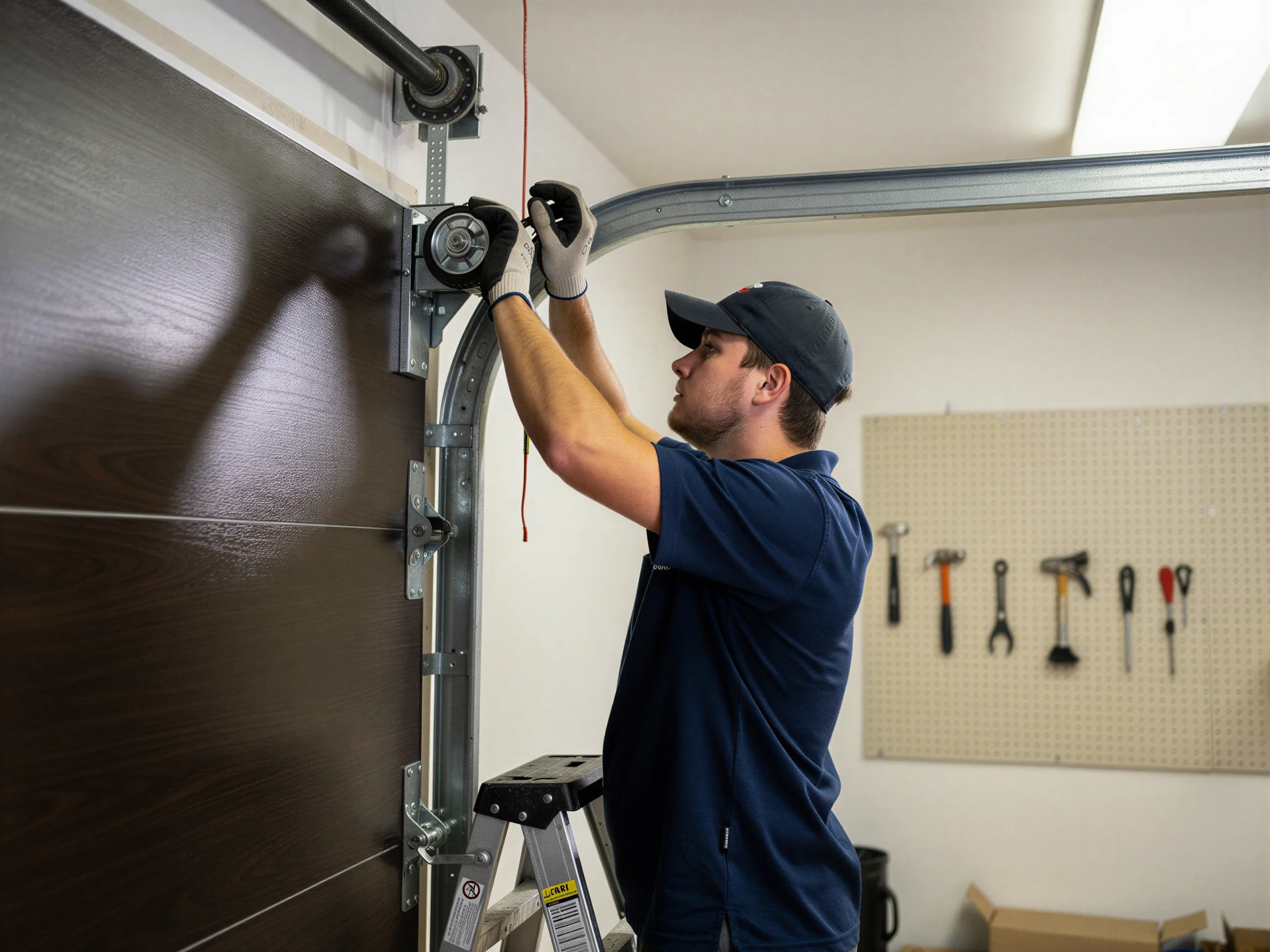
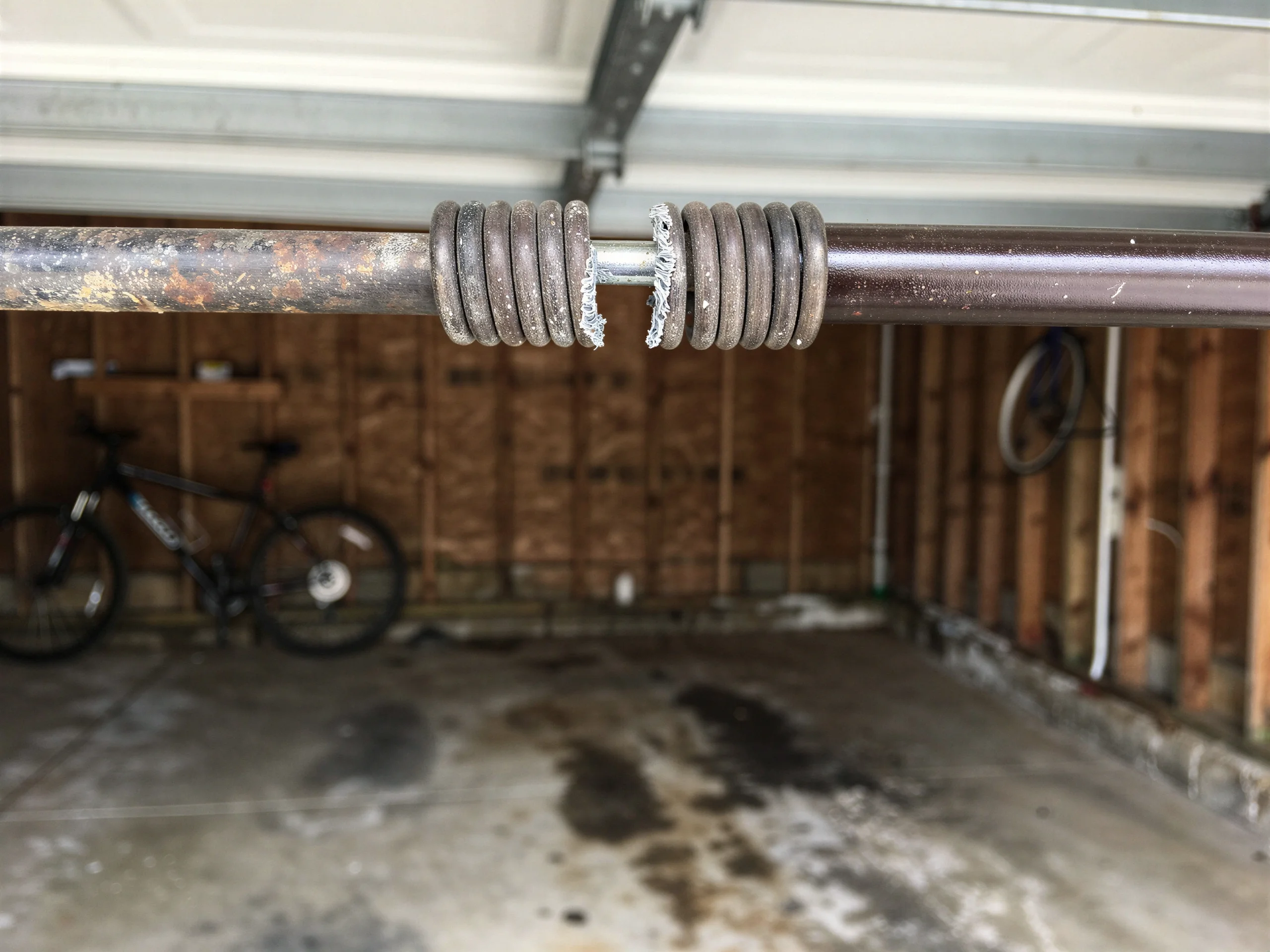
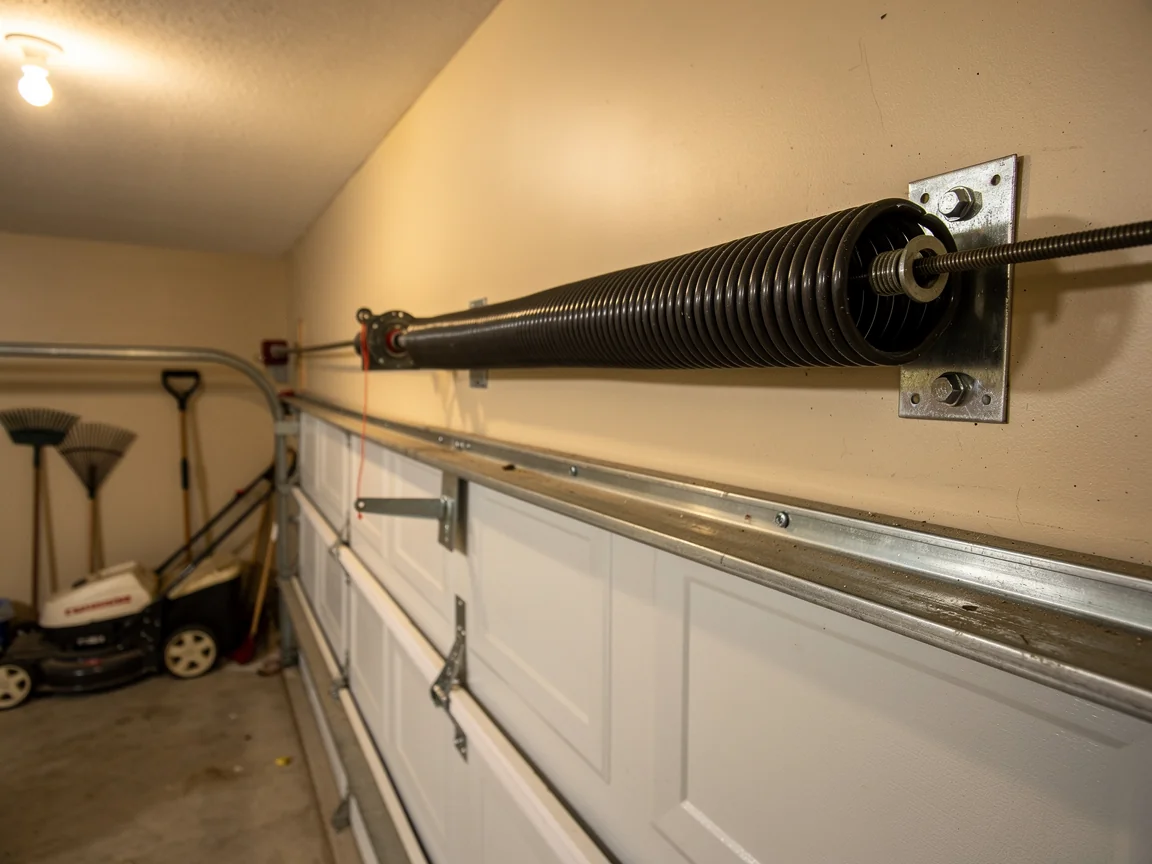
Where we'd tell you to stop and call: anything involving the torsion spring or cable drums while you're in there, since that's where people get hurt. We're honest that this section exists because plenty of homeowners do it themselves - we're not trying to talk you out of the reasonable parts of the job, just the dangerous ones.
How to Book
We cover Hollywood Park from our shop in Boerne, about 19 miles out. There's no local branch or dispatch point here - a truck comes from Boerne for every job, which is worth knowing before you call expecting a same-hour drop-in. Tell us the opener brand if you know it, roughly how old the door is, and whether the garage has a second-floor room above it (that changes which drive type makes sense, since chain drives run louder than belt).
If you've already got measurements - door width, ceiling clearance, whether there's an existing rail track you want to reuse - that shortens the call. We'll quote the opener and the install together once we know what's actually on the wall now.
The Symptom
The call we get most from this part of the service area isn't "my opener won't turn on." It's "the door reverses on its own" or "it won't close all the way, it just stops." On a house built in the early 1970s, that's almost always a safety-eye problem, not a motor problem - those photo sensors near the floor weren't required by federal law until 1993, so an opener original to a 1972 house either never had them or had them added later as a retrofit that's now failing.
The other common one: remotes that used to work from the driveway now need you right up against the door. That's a fading radio board inside an opener that's simply run its years, not a battery issue. Neither symptom means the door itself is bad - it usually means the opener is the right thing to replace, and the door can stay.
What Is on the Truck
We carry belt-drive and chain-drive openers in the HP ranges that match both older heavy wood doors and the steel doors more common on houses built later in the service area's run through 2005.
Belt drive with backup
For a median income here around $140,357, we see more homeowners choose the quieter belt-drive unit with battery backup than the base chain-drive model - it's a few hundred dollars more up front and most people in this bracket decide that's worth it rather than replacing a motor again in eight years.
Wall controls for rolling code
We also carry the wall control and keypad units that pair with modern rolling-code openers, since a straight head-unit swap on an older door usually means upgrading the wall station too - old push-button controls don't talk to new circuit boards.
Nonstandard bracket delays
What we don't carry on the truck is a full stock of every bracket size for nonstandard header heights; on an older build we sometimes have to special-order a mounting plate, which can add a day to the job.
Why It Happens Here
Housing in this part of the service area skews older than the broader mix - the median build year locally runs around 1972, while the wider footprint we cover spans 1972 through 2005 with a lot of 1980s and '90s construction mixed in. That earlier build date is the reason opener failures here look different: original equipment from the early '70s has simply aged out, and a fair number of units we find were already a prior owner's retrofit from the 1990s or 2000s, not the house's first opener.
Climate plays a smaller but real role too. The mild-with-occasional-freeze band this area sits in doesn't stress openers the way true freeze-thaw climates do, so you don't see the gearbox cracking some colder regions deal with. What you do see is sun and heat fatigue on exposed drive belts and worn logic boards from decades of garage temperature swings - slower to fail, but it still adds up on a 50-year-old build.
What Can Go Wrong
The mistake we see most on older Hollywood Park homes is matching a new opener's horsepower to the door's weight by guessing instead of measuring.
Undersized opener strains
A 1972-era wood door is heavier than it looks, and an opener sized for a lighter modern steel door will run hot, strain, and burn out early - sometimes inside the first year. The other risk is skipping the safety-eye and auto-reverse test after install.
Safety eye reset needed
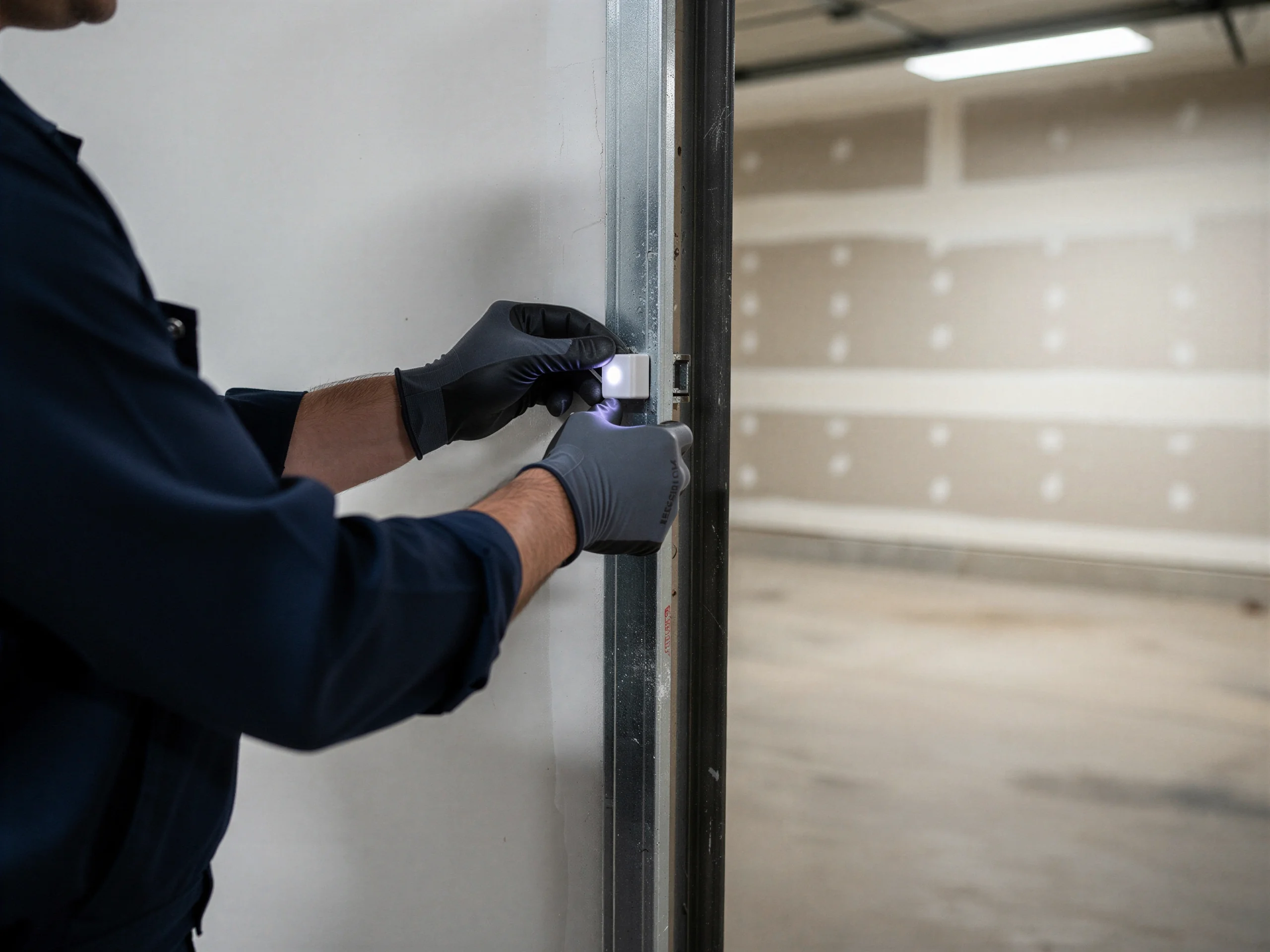
Federal rule requires those sensors on new openers regardless of the door's age, and on an older garage the eye brackets sometimes don't line up with where a 1970s door frame sits, so they need resetting, not just bolting on.
Fix springs before opener
If a door's springs or tracks are also past their life, we'll say so before we install a new opener on top of them - putting a new motor on a door that's about to need spring work elsewhere isn't a good use of your money, and we'd rather tell you that up front than sell you two jobs you didn't need done separately.
Talk to a local pro
Garage door service in Boerne?
Same-day service with honest, upfront quotes.