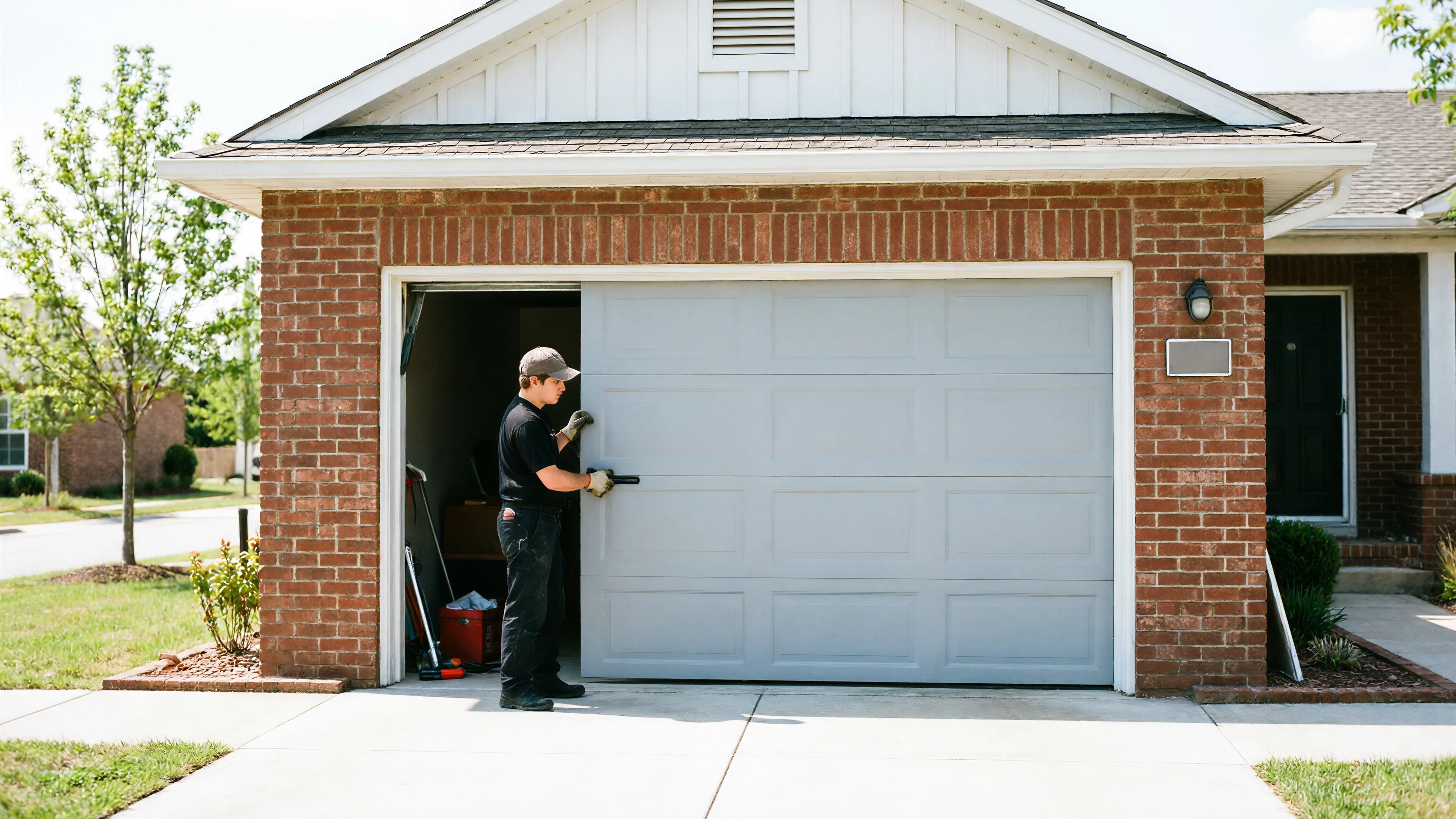
Doing It Yourself
A lot of what goes wrong with a garage door in a house built around 1972 isn't a job for a Saturday with a ladder.
Dead opener quick checks
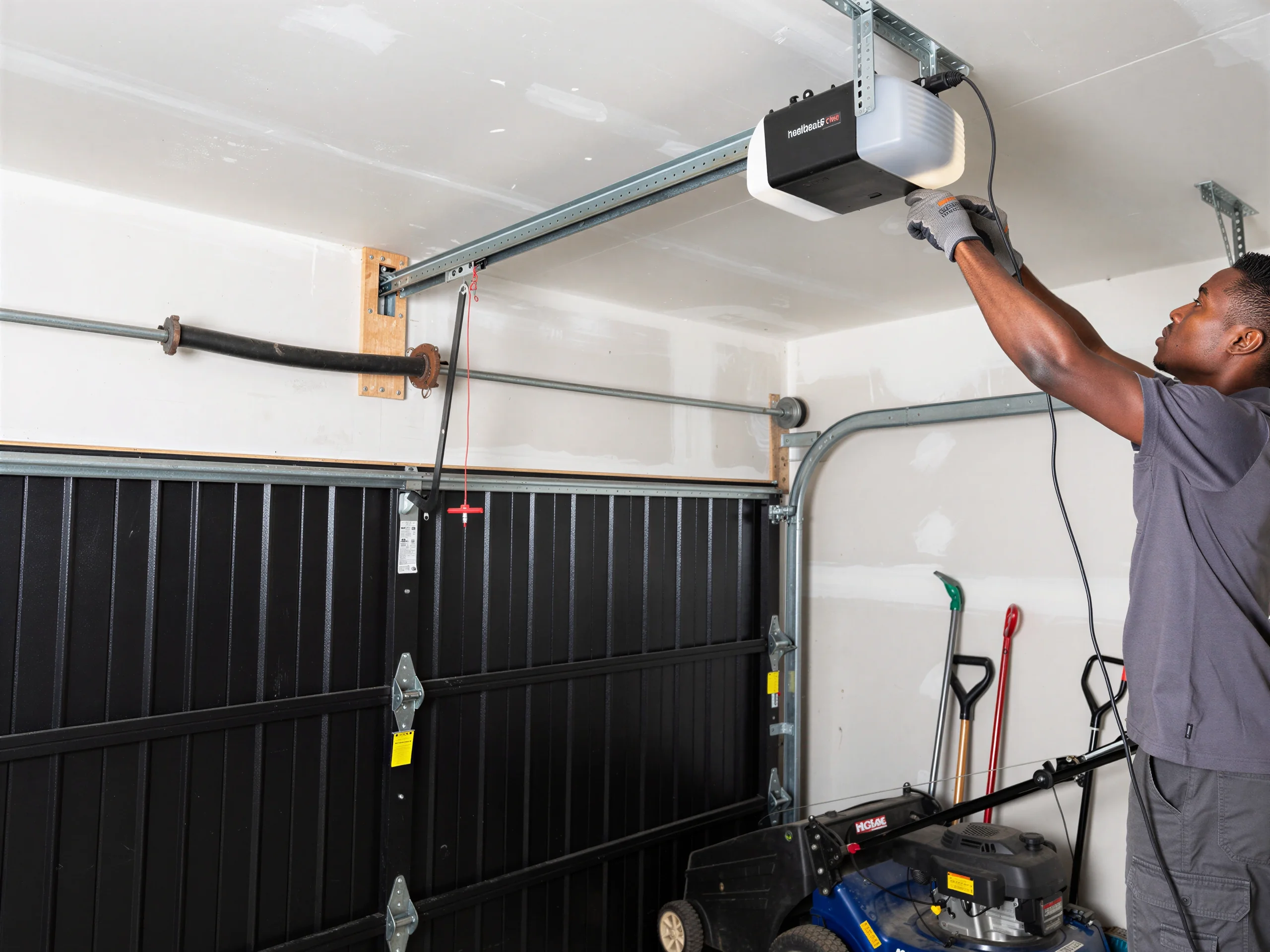
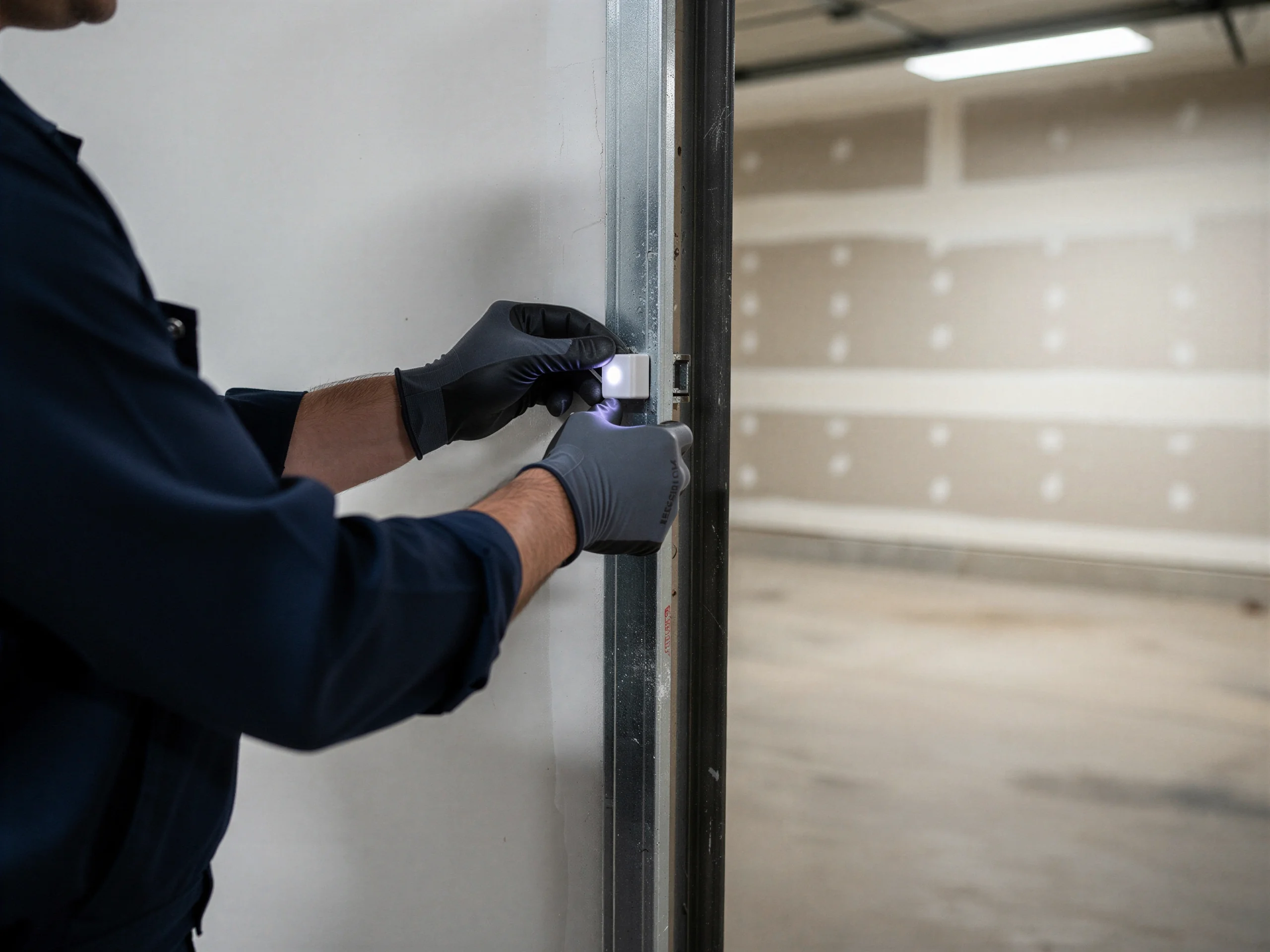
If your opener won't trigger from the wall button or the remote, check the obvious first: is the unit plugged in, is the breaker tripped, are the photo-eye sensors at the bottom of the track lined up and not knocked sideways by a stored bike or a trash can. Wipe the sensor lenses.
Leave spring and drum alone
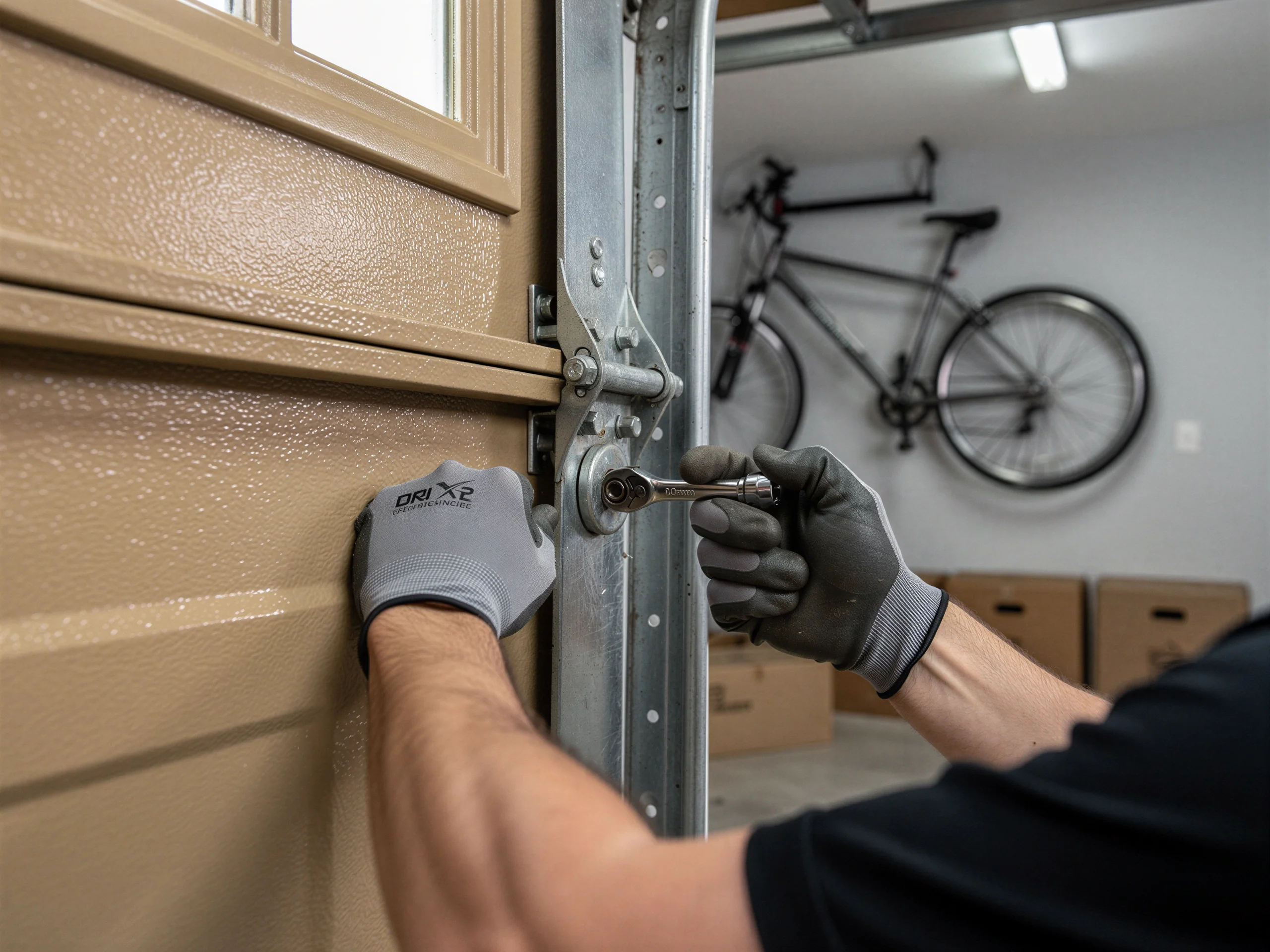
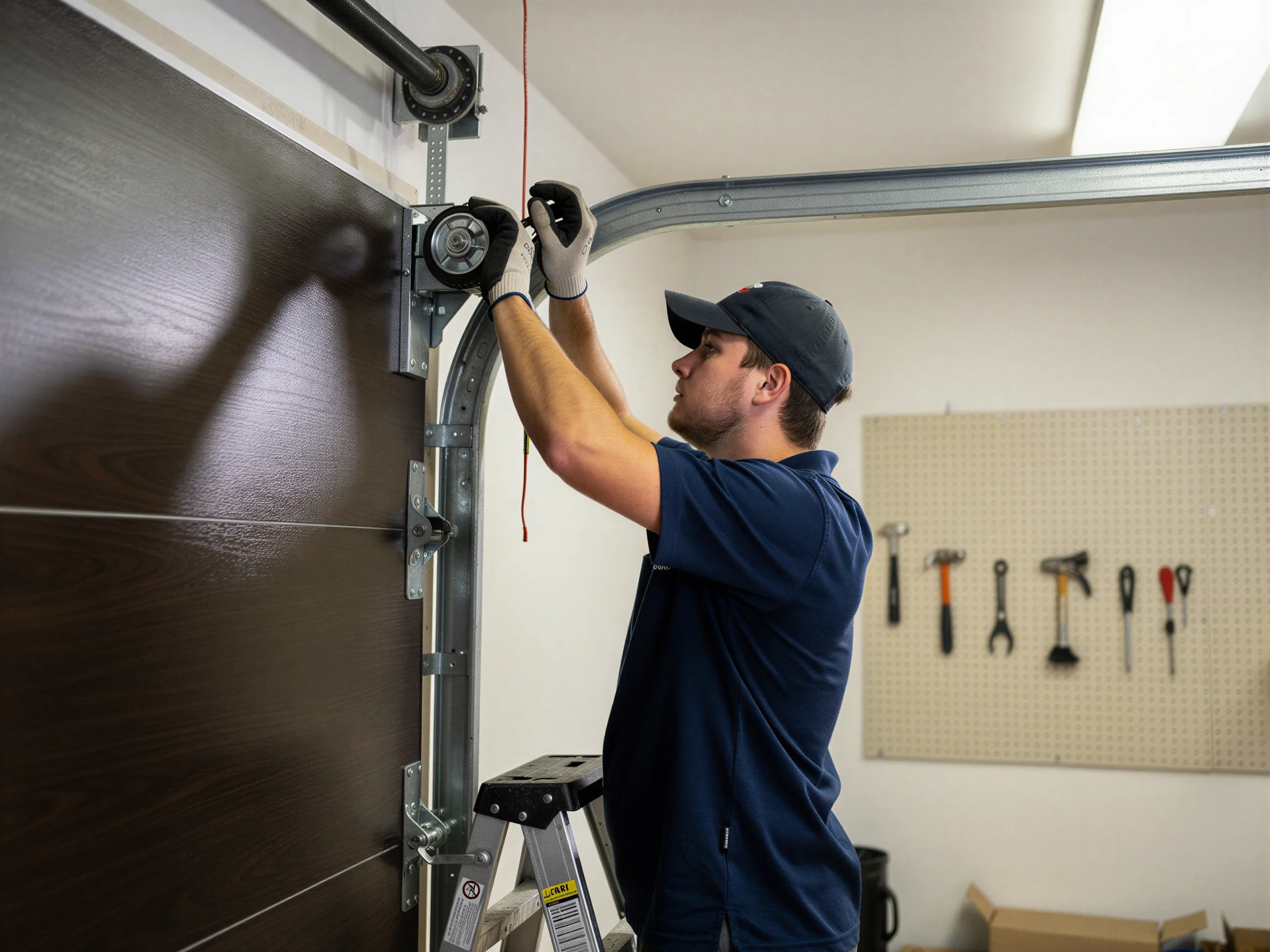
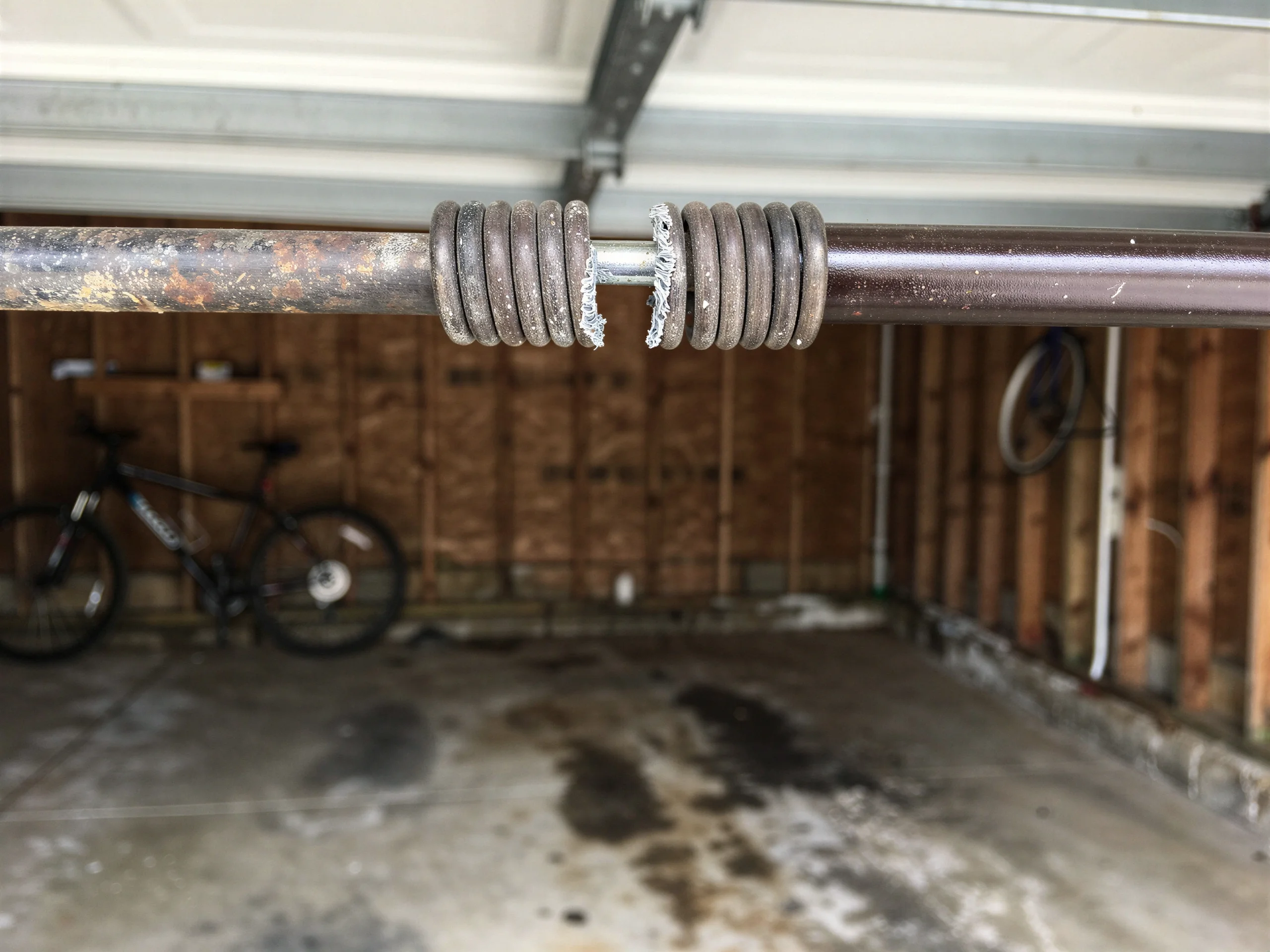
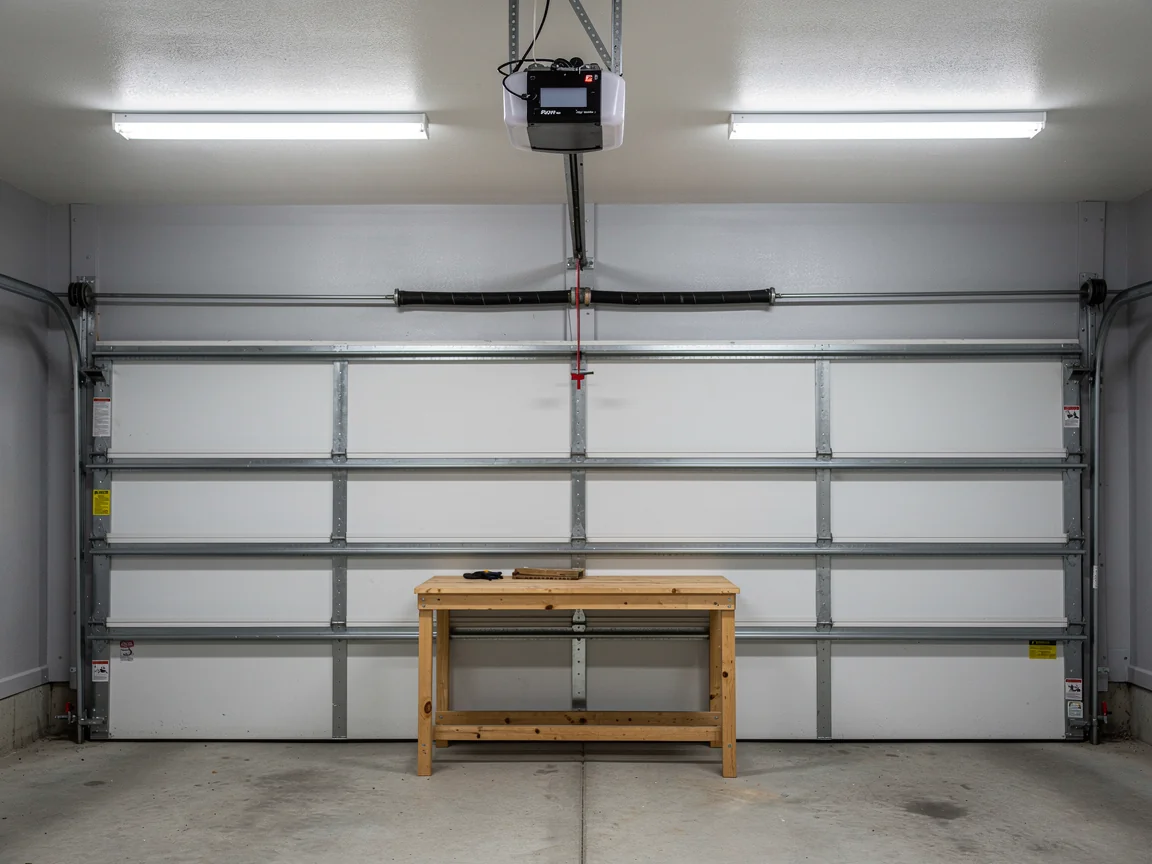
That fixes more "dead opener" calls than anything else. What you shouldn't touch: the torsion spring above the door, or anything with a winding cone. On a house this age the spring and the drum assembly are original or close to it, and those springs store enough force to break a bone if the cone slips while you're turning it.
Extension bracket warning signs
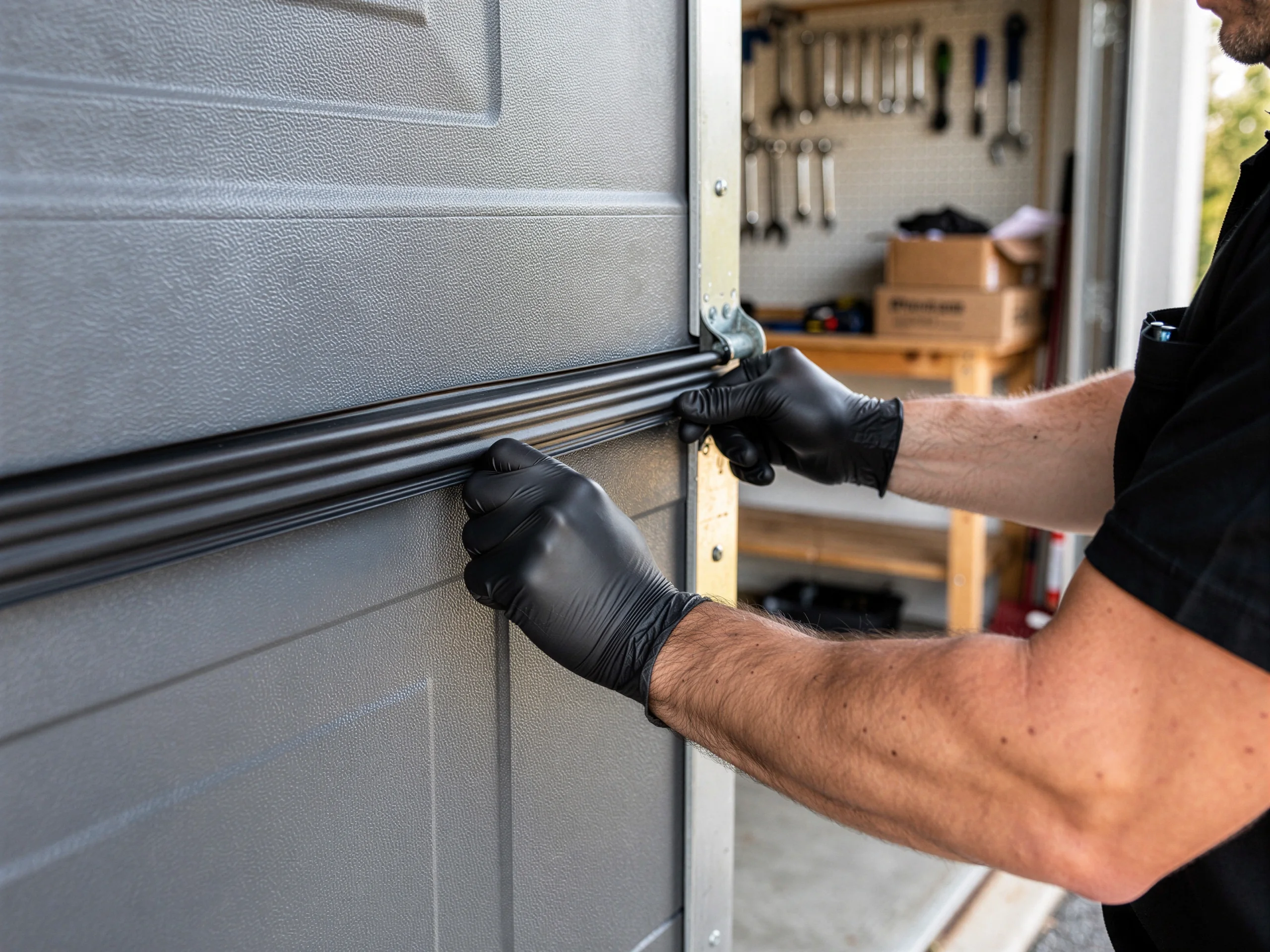
Same goes for the bottom bracket and cables on an extension-spring setup, which is common on homes from this era with a one-car or narrow two-car opening. If the door is off track, binding, or the panel section nearest the floor has started to crack along the seam, stop running the opener.
Forcing motor wears gears
Running a motor against a door that's fighting itself wears the gears and strips the belt or chain faster than normal use ever would. Call it in at that point rather than forcing it.
How to Book
Boerne Garage Door Pros covers Hollywood Park from Boerne, about 19 miles out. There's no branch or drop-in counter here, so the fastest way to get a truck scheduled is to call and describe what the door is doing: won't open, opens partway and reverses, grinds on one side, spring snapped. That lets the crew pull the right springs, cables, and hardware for a house of this era before they leave the shop instead of guessing on site.
Because every job here is a drive from Boerne, same-day availability depends on the route that day. If your opener trips a circuit or your door won't close at all, say so when you call - that moves the job up ahead of routine tune-ups.
The Symptom
The calls from Hollywood Park cluster around a few specific complaints, and they track with the age of the housing. The most common: a door that slams down the last foot instead of settling, which usually means the extension springs or torsion spring have lost tension after decades of cycling.
Travel limit reversal
Second most common: a door that reverses right after it starts closing, which on an older opener is often a worn-out travel limit setting rather than anything with the photo-eye.
One-side grinding noise
Third: a grinding or popping noise from one side of the door only, which on original hardware from the 1970s is frequently a bent track or a roller that's worn down to the steel.
Steel rollers noise first
These doors weren't built with the plastic or nylon rollers that are standard now, so the steel-on-steel wear shows up as noise well before the door actually fails.
What Is on the Truck
For a house in this part of the service area, the truck carries torsion and extension springs sized for the older standard door weights, since a lot of these doors are heavier single-layer steel or wood-composite panels rather than the lighter insulated sandwich panels that came later. It also carries steel rollers and replacement track sections, because that's what the original hardware used, not the sealed nylon rollers you'd stock for a 2005 build.
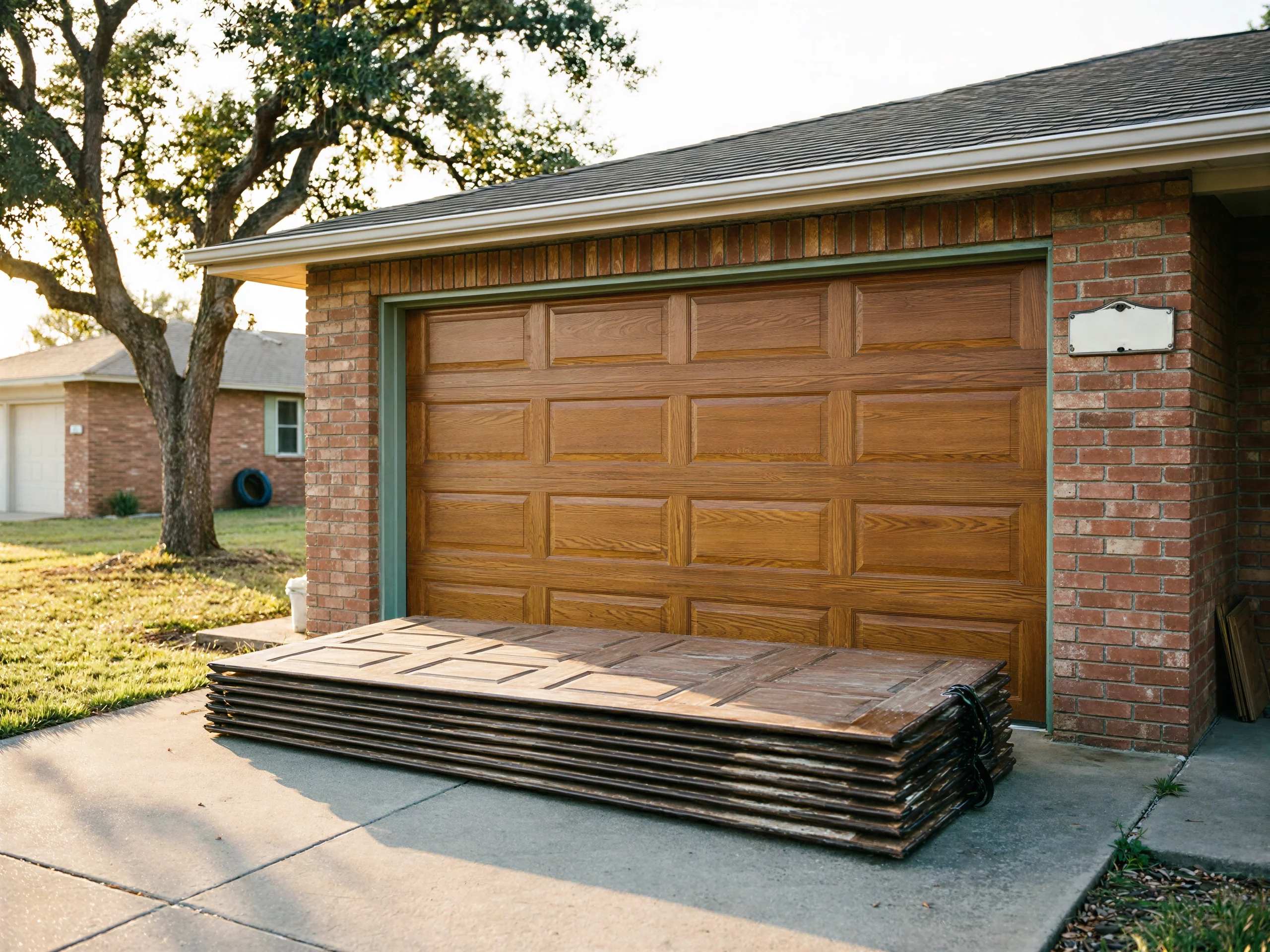
Openers get swapped for current units when the old chain-drive motor finally gives out, since parts for 40-plus-year-old openers are getting hard to source new. One honest limit here: if the original wood-composite panels have delaminated from decades of moisture cycling, that's a door the truck can't patch - it's a replacement conversation, not a repair.
Why It Happens Here
Hollywood Park's housing stock centers on 1972, which puts it noticeably ahead of the 1997 median across the wider Boerne service area.
1972 hardware standards
That decade-plus gap matters for garage doors specifically: 1972-era openings were built to the door standards and spring configurations of their time, which means original torsion hardware, steel rollers, and in many cases extension springs rather than the torsion setups that became standard later.
Long-lived springs in mild climate
The climate here is mild with occasional freeze, which doesn't stress hardware the way harsher climates do, but it also means a spring or cable lasting 40-plus years on the same house is not unusual - and when it finally lets go, it goes without much warning. With 1,168 households in this pocket of the service area, most sitting on hardware from the same decade, the failure patterns repeat house to house.
What Can Go Wrong
On a door this old, the failure that causes the most damage is a snapped cable on an extension-spring system that lets one side of the door drop while the other holds, racking the door sideways in the track. That bends the track, which then means a track replacement on top of the spring job instead of just the spring.
The opener's travel limits can also drift on units that have been running since the 1980s or 90s, so the door looks fine most days and then suddenly won't fully close - usually right before someone leaves for the day and doesn't notice until the garage sits open overnight. And on wood-composite panels original to the house, long-term exposure can cause swelling at the bottom panel that jams the door in the track, which looks like a spring problem but isn't.
Talk to a local pro
Garage door service in Boerne?
Same-day service with honest, upfront quotes.