How to Book
Lakehills is a smaller community than some of the other spots we cover, around 2,289 households, which means the work here tends to be spread thinner and more varied than in a dense subdivision.
No local crew in Lakehills
We don't keep a crew stationed in Lakehills - the truck comes out from Boerne, about 17 miles away, so when you call we're scheduling a trip out, not a walk-over from next door.
Details to share upfront
Tell us the door brand if you know it, whether it's a single or double door, and what it's doing (or not doing) when you push the button. That lets us bring the right spring size and opener parts on the first trip instead of a second one.
Booking and confirmation
We book the visit, confirm a window, and head out from the shop. See garage door service in Lakehills for the full rundown of what we cover out this way, or check garage door repair in Boerne if you're closer to town.
What Can Go Wrong
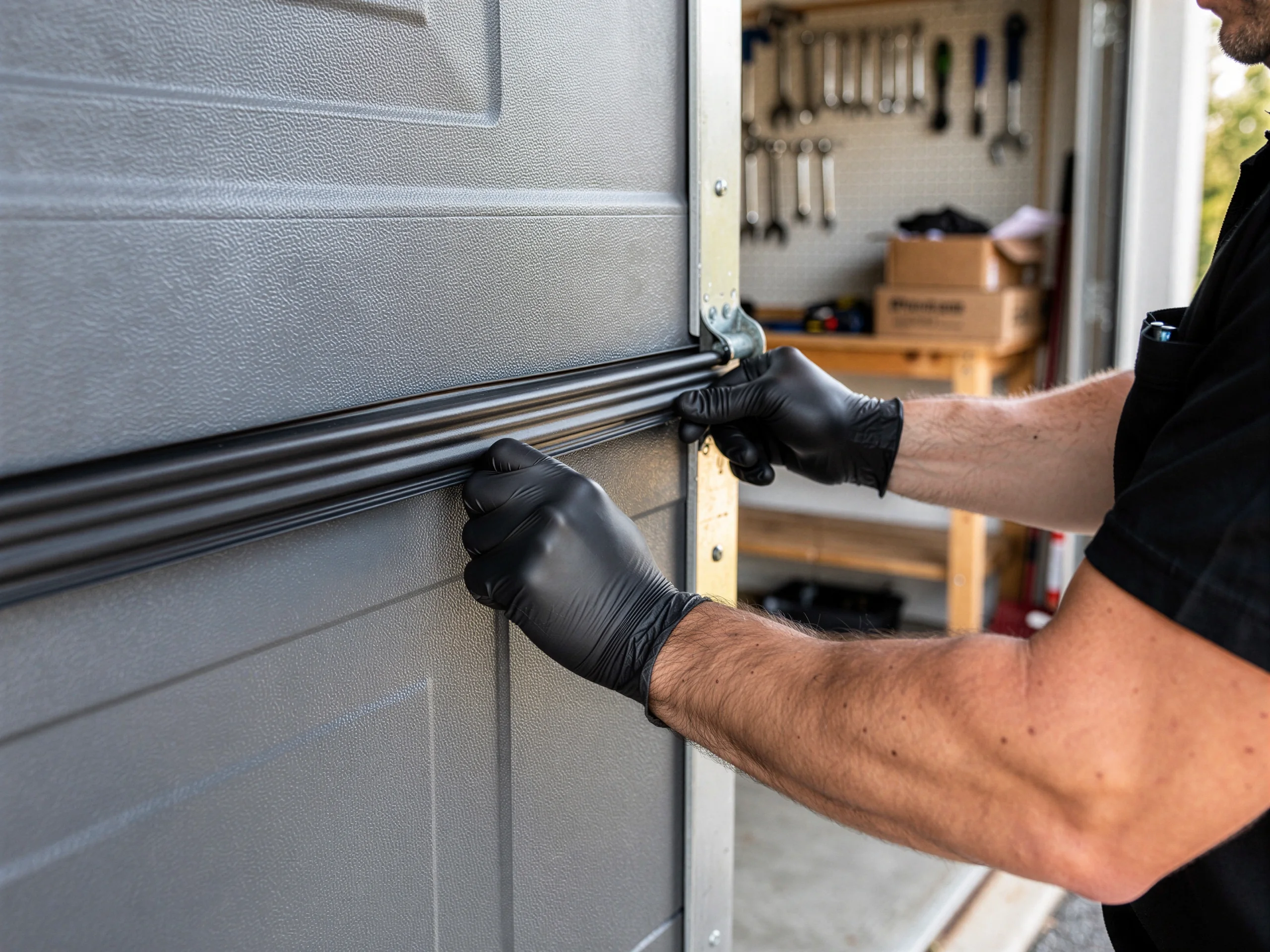
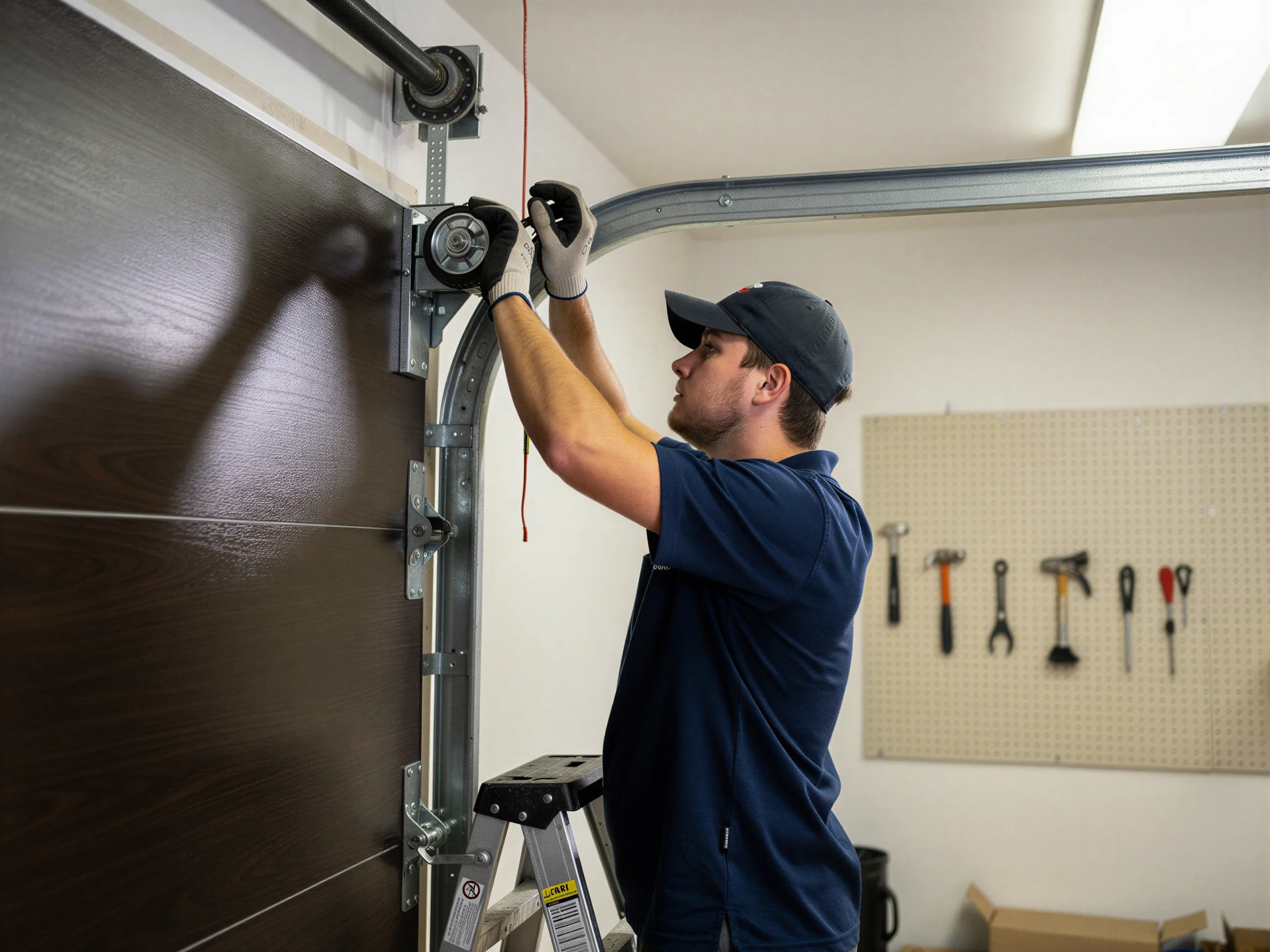
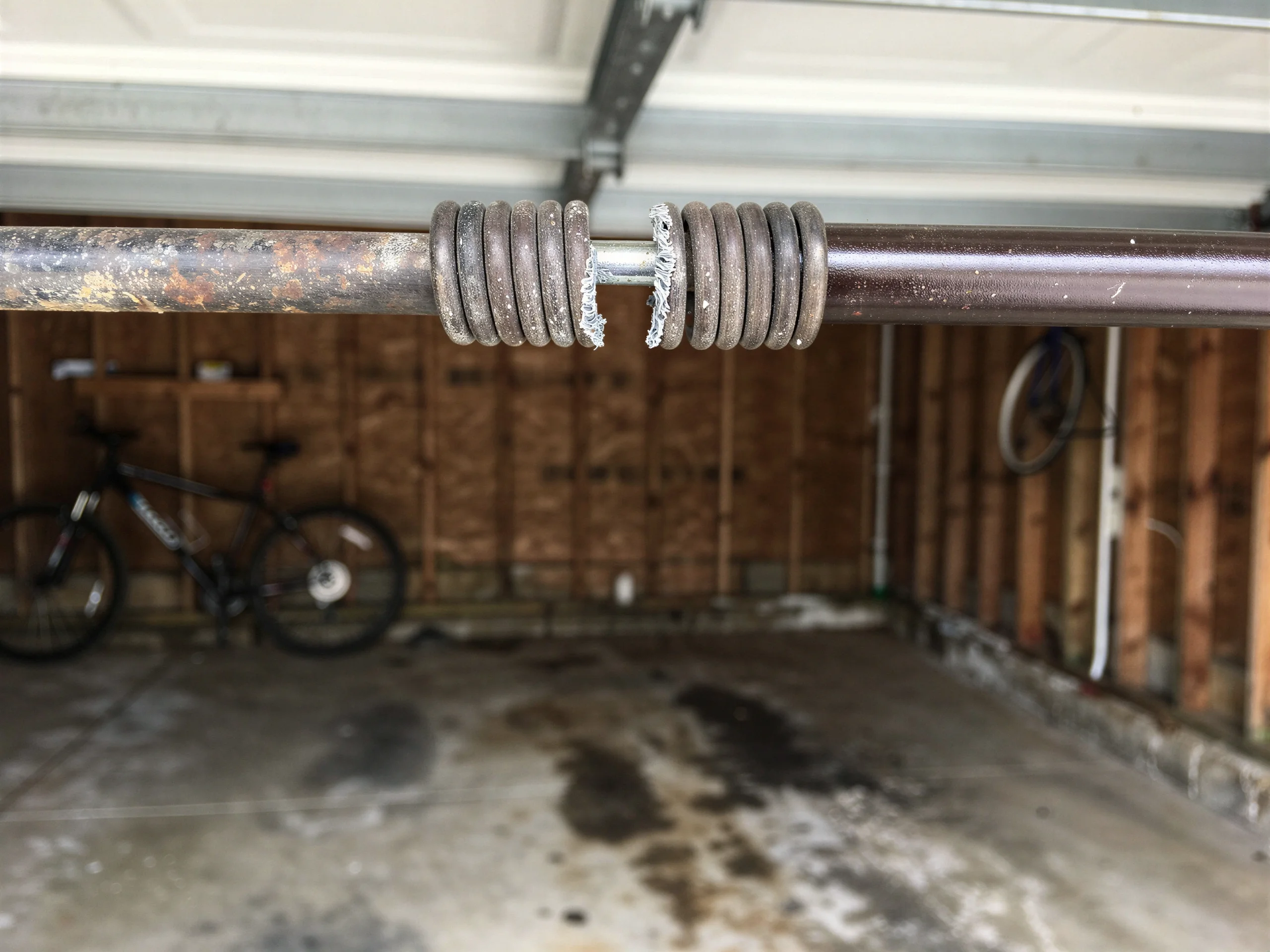
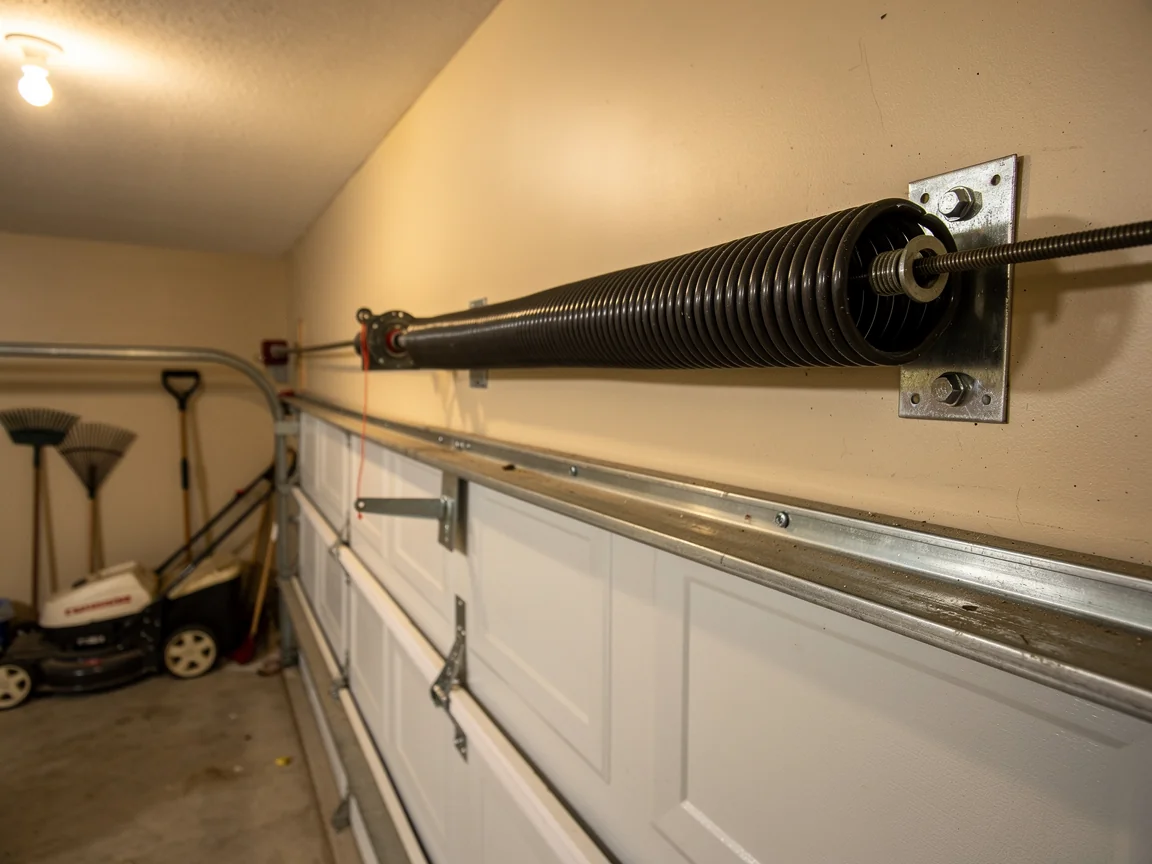
Most houses in Lakehills were built around 1996, which puts the garage door hardware squarely in the torsion-spring era but on openers and track systems that are now pushing close to thirty years old. That's old enough for the original spring to be well past its cycle life and for nylon rollers to have gone brittle. We see broken torsion springs, worn cable drums, and openers whose circuit boards have simply aged out - not because anyone misused the door, but because the parts have a lifespan and this housing stock is closing in on it. Garage door panels from that era are often steel with foam-core insulation that's started to separate at the seams, which shows up as a sag at the bottom corner. None of this is dramatic. It's wear, on schedule.
Doing It Yourself
A torsion spring under tension can take a finger or worse if you don't know how to unwind it, so that one isn't a do-it-yourself job regardless of how old your door is.
Checking sensors and cables
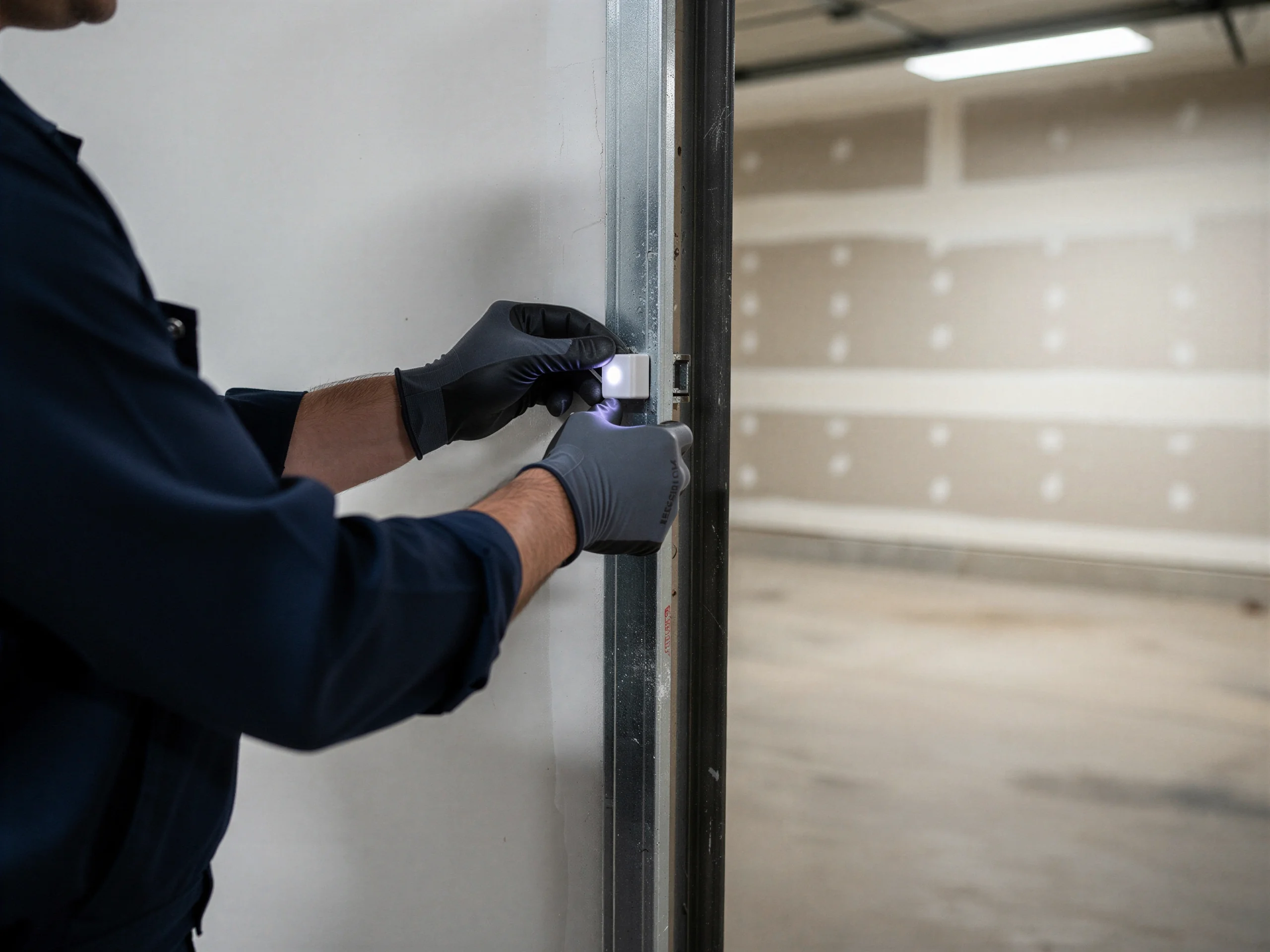
What you can check yourself: the photo-eye sensors near the floor on each track (a stray cobweb or dust film there will stop the door from closing), the lift cables for fraying, and whether the door is balanced - disconnect the opener, lift the door halfway by hand, and see if it holds.
Twice-yearly lubrication
If it drops or rises on its own, the spring tension is off and that's a call, not a project. Lubricating hinges and rollers with a garage-door-specific lubricant twice a year is worth doing and costs you nothing but time.
Why It Happens Here
The climate here runs mild with occasional freeze events, which is gentler on hardware than a true hard-freeze climate but still hard enough on steel springs and cables to shorten their working life compared to a no-freeze zone. Combine that with a housing stock built mostly around 1996 and you get a specific failure window: original springs rated for a certain number of cycles, installed close to thirty years ago, now reaching the end of that count at roughly the same time across a lot of houses built in the same stretch of years. It's less about any one storm and more about hardware aging out on a shared timeline, because the houses went up together.
What the Repair Takes
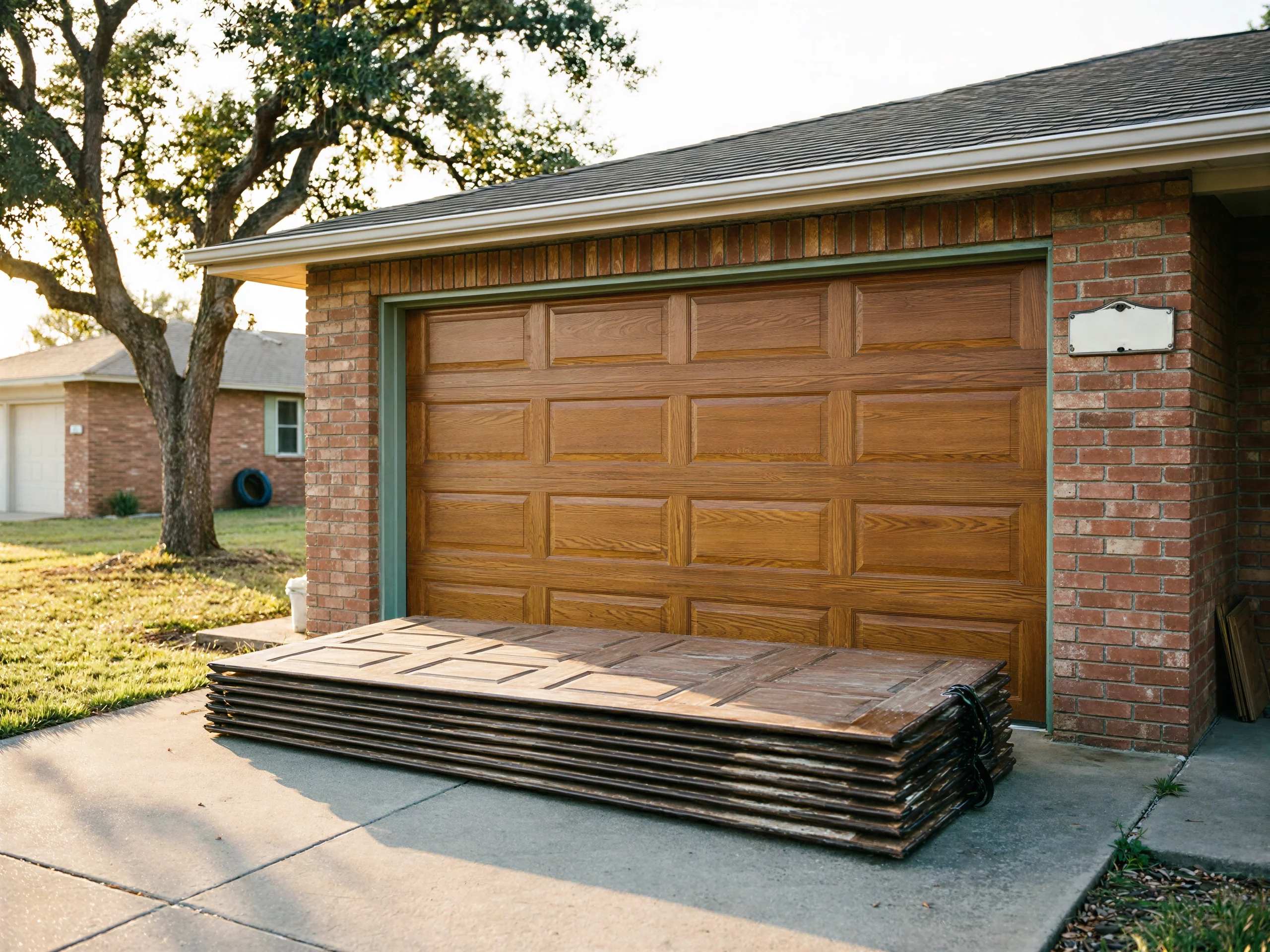
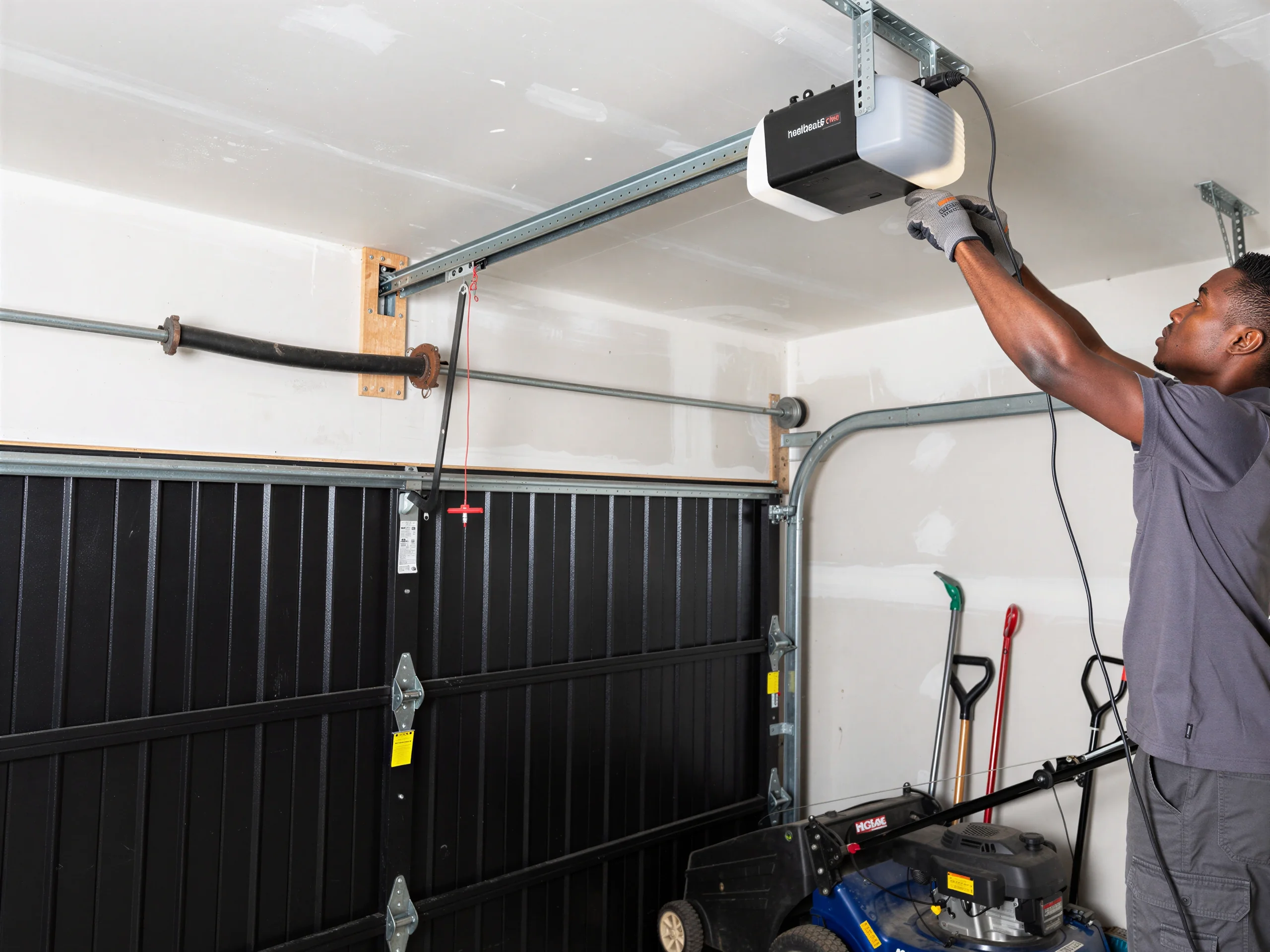
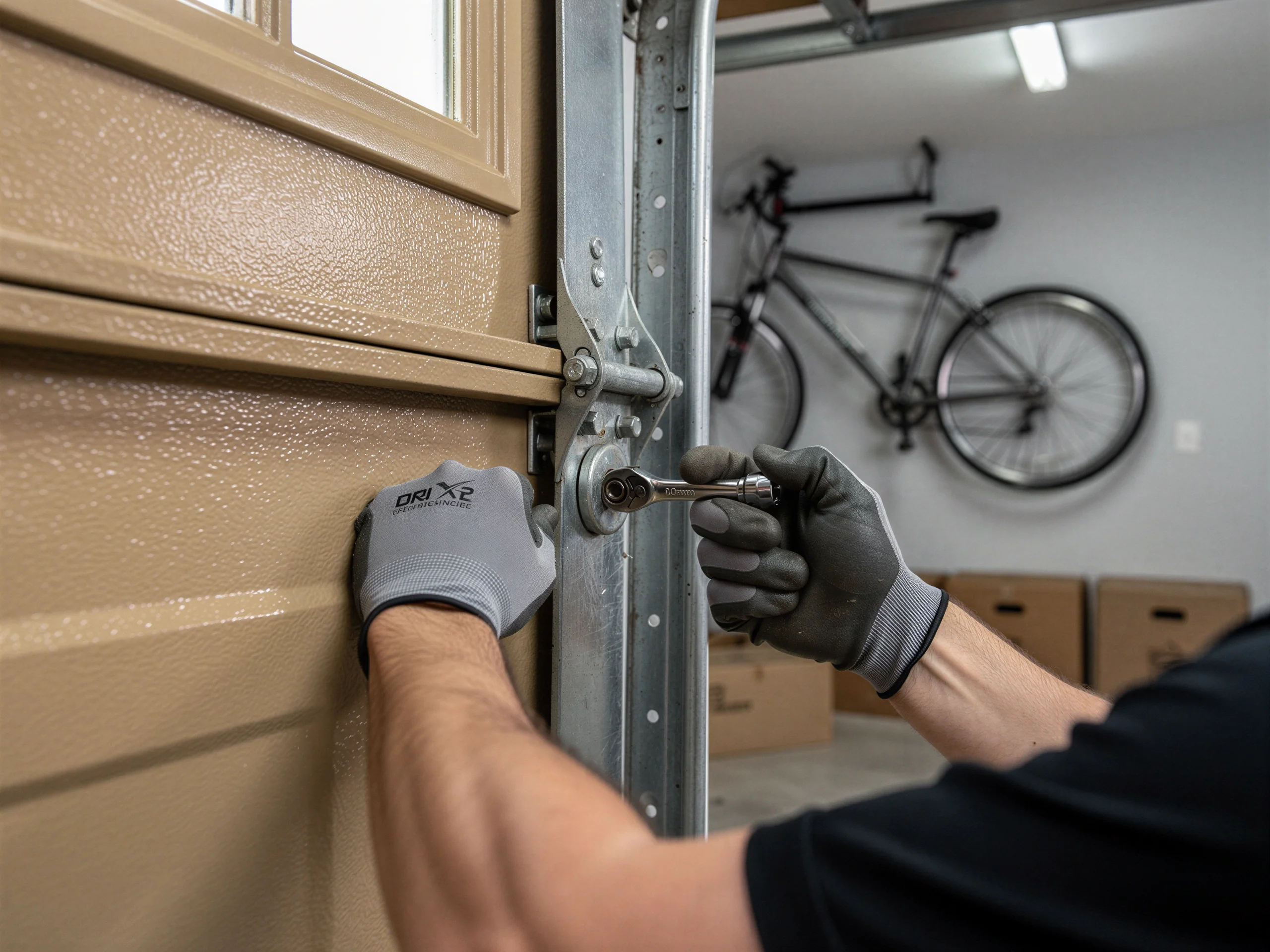
A straightforward torsion spring swap on a door from this era usually means matching the original wire size and wind direction, which isn't always obvious without pulling the old spring to measure it - we don't guess on this, since the wrong spring either won't lift the door or will wear out fast. If the opener's circuit board has failed outright rather than just the spring, that's a separate repair or a replacement decision, and we'll tell you honestly when a thirty-year-old opener is cheaper to replace than patch. One limit worth naming: some older panel styles and hardware from this build era are no longer in production, so a cosmetic match on a single replacement panel isn't always possible - sometimes the honest fix is replacing the full door section instead of chasing a part that doesn't exist anymore.
Talk to a local pro
Garage door service in Boerne?
Same-day service with honest, upfront quotes.