Why It Happens Here
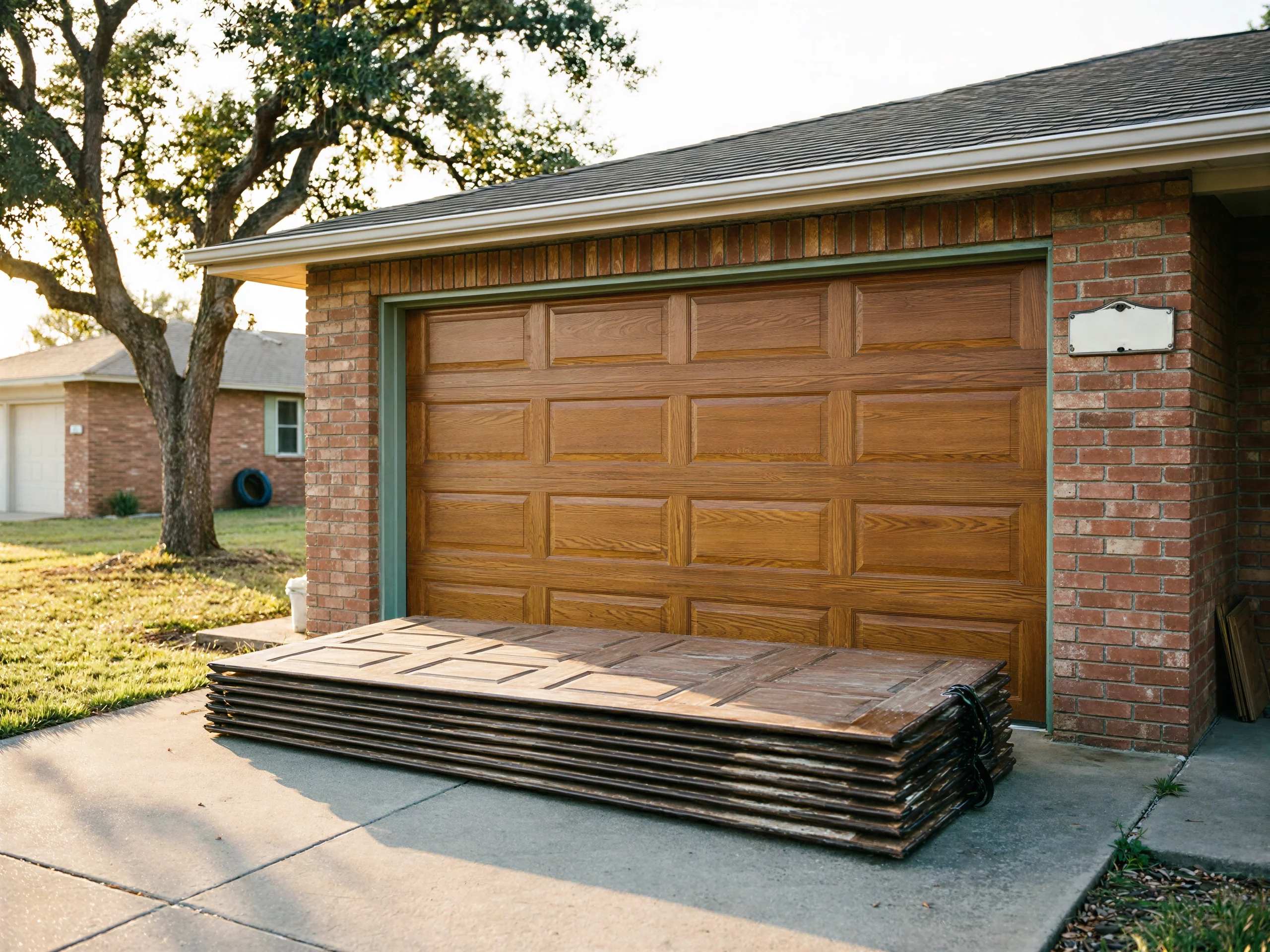
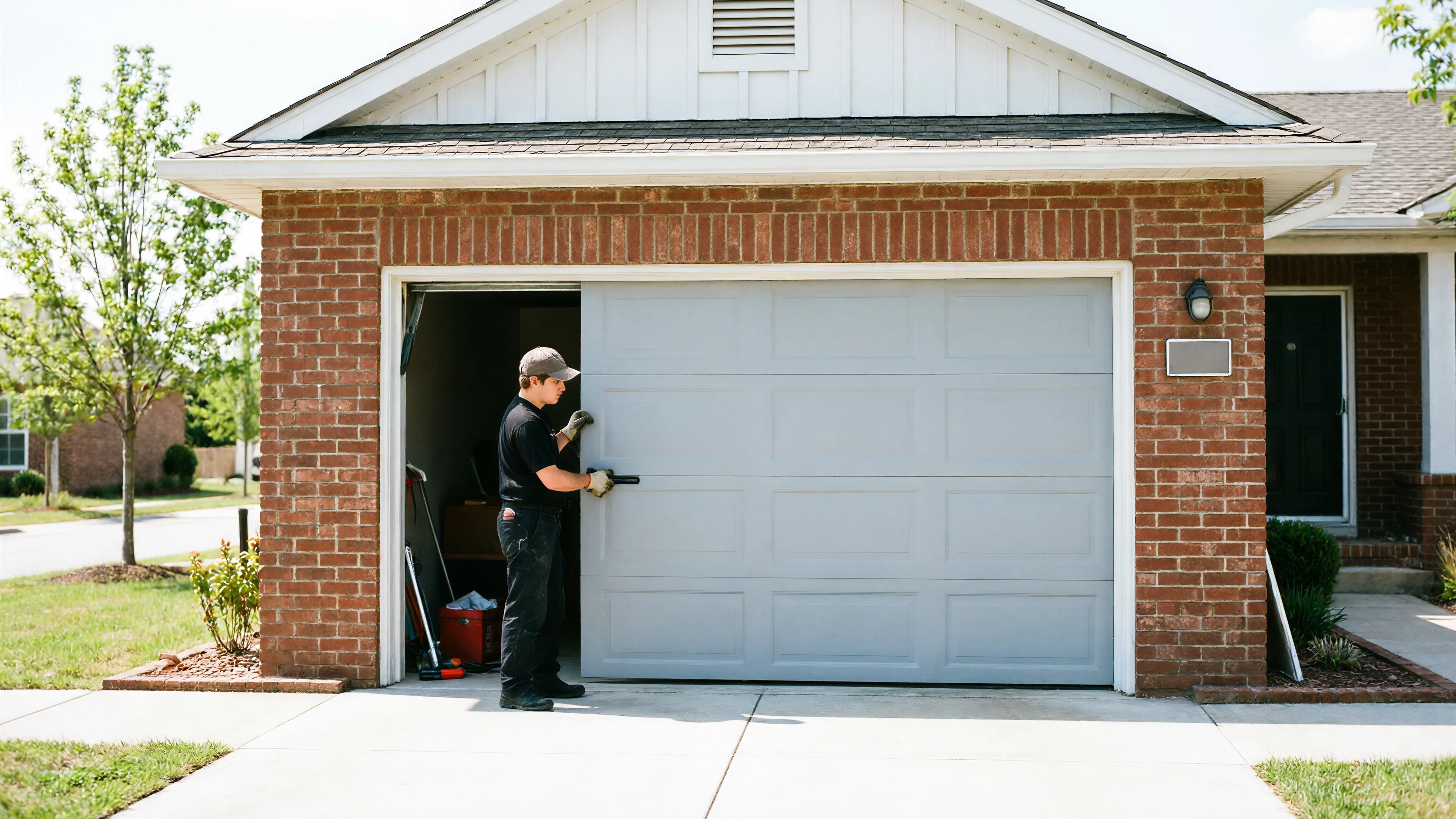
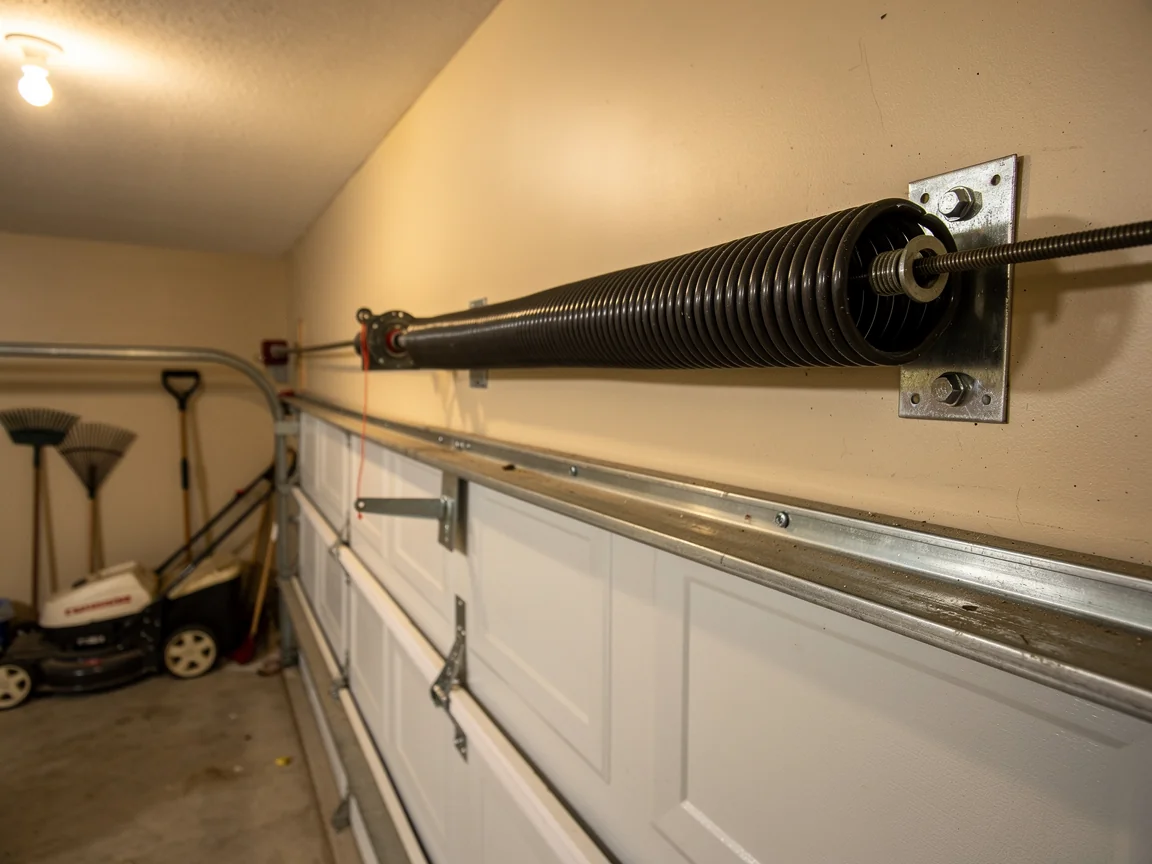
Most houses in Helotes went up around 2005, which puts this area at the newer end of what we see across the whole service territory, where homes generally date from 1972 to 2005. That build year matters more than people think. By 2005, builders had mostly standardized on torsion springs mounted on a steel header bracket above the door, replacing the older extension-spring-and-pulley setups you still find in older pockets of the region. Torsion springs last longer under normal cycling, but they fail a specific way: the spring itself cracks or the cable drum it's wound around wears out, usually after years of the door opening and closing with no warning sign until the day it doesn't lift at all. The mild climate with occasional freeze here doesn't rust out cables the way a harsher climate would, but temperature swings still stiffen the lubricant inside the coil over time, which is often what pushes a spring that's near the end of its life into actually snapping. Helotes sits about 15 miles from Boerne, and we get out this way regularly for exactly this kind of call - a door that was fine yesterday and won't budge today.
What the Repair Takes
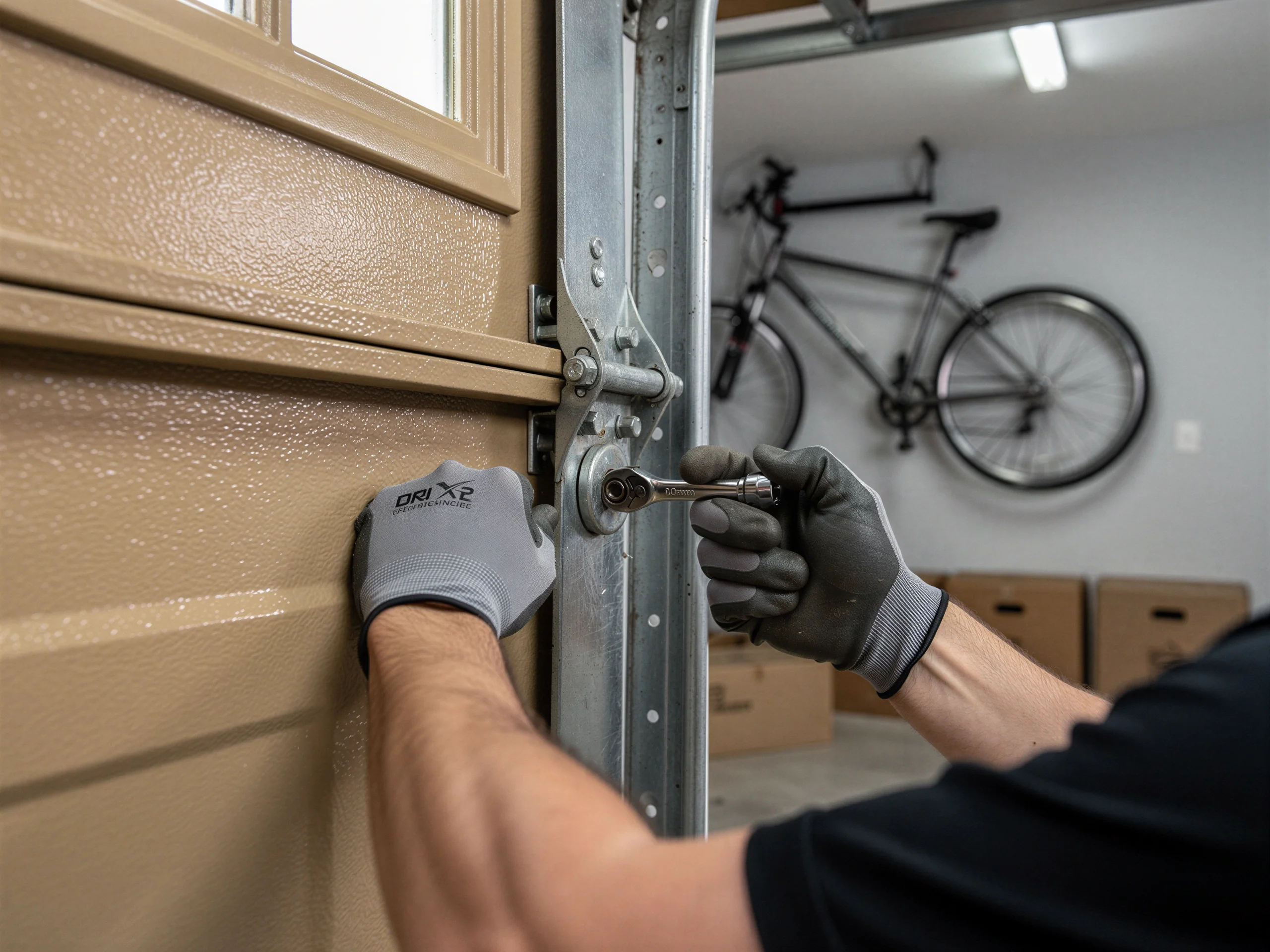
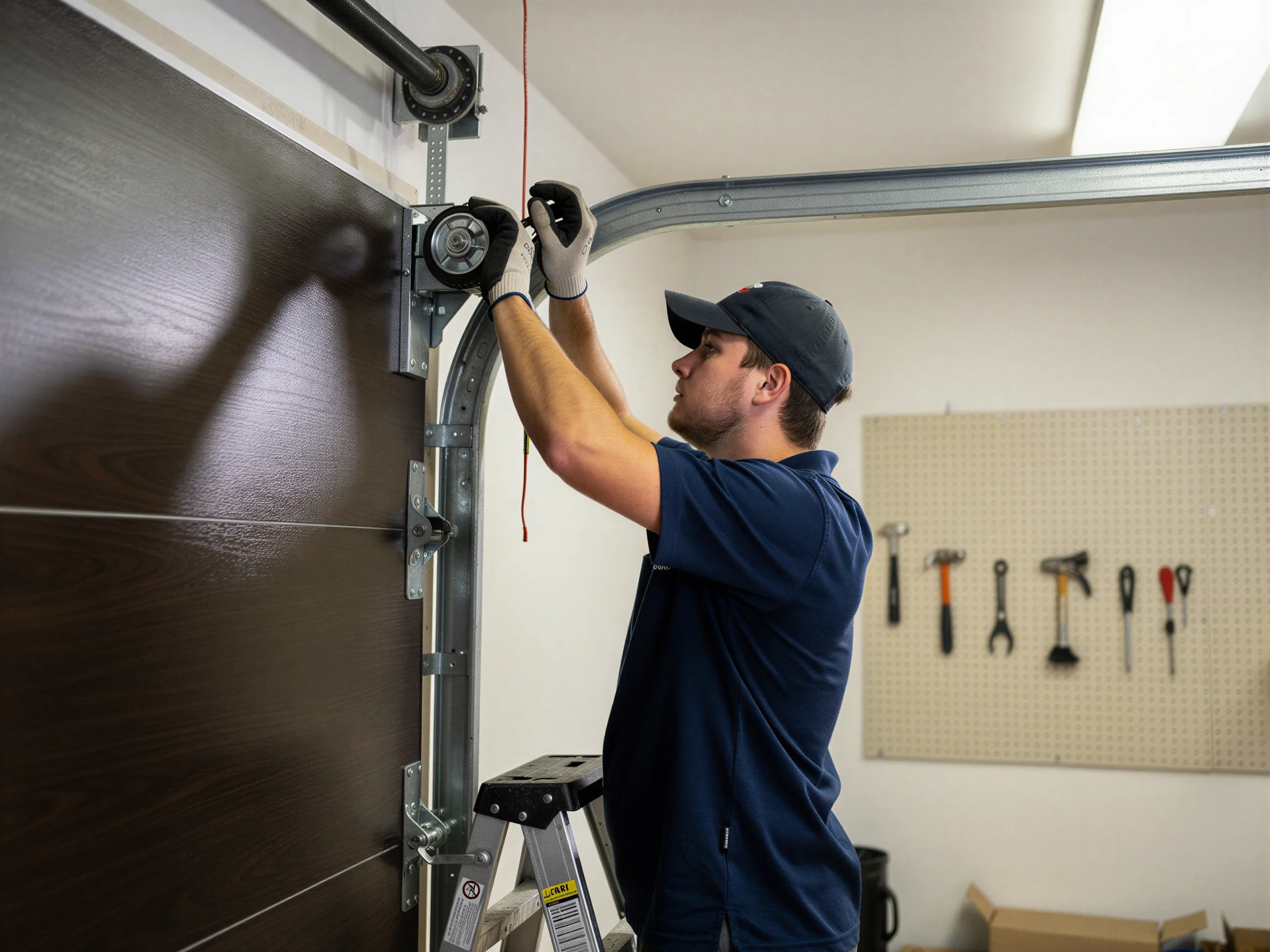
A torsion spring job means measuring the wire gauge, coil diameter, and wind length against the door's weight and height, then winding a matched replacement onto the shaft under tension with winding bars - not a job for channel-lock pliers and a ladder.
Newer builds need less
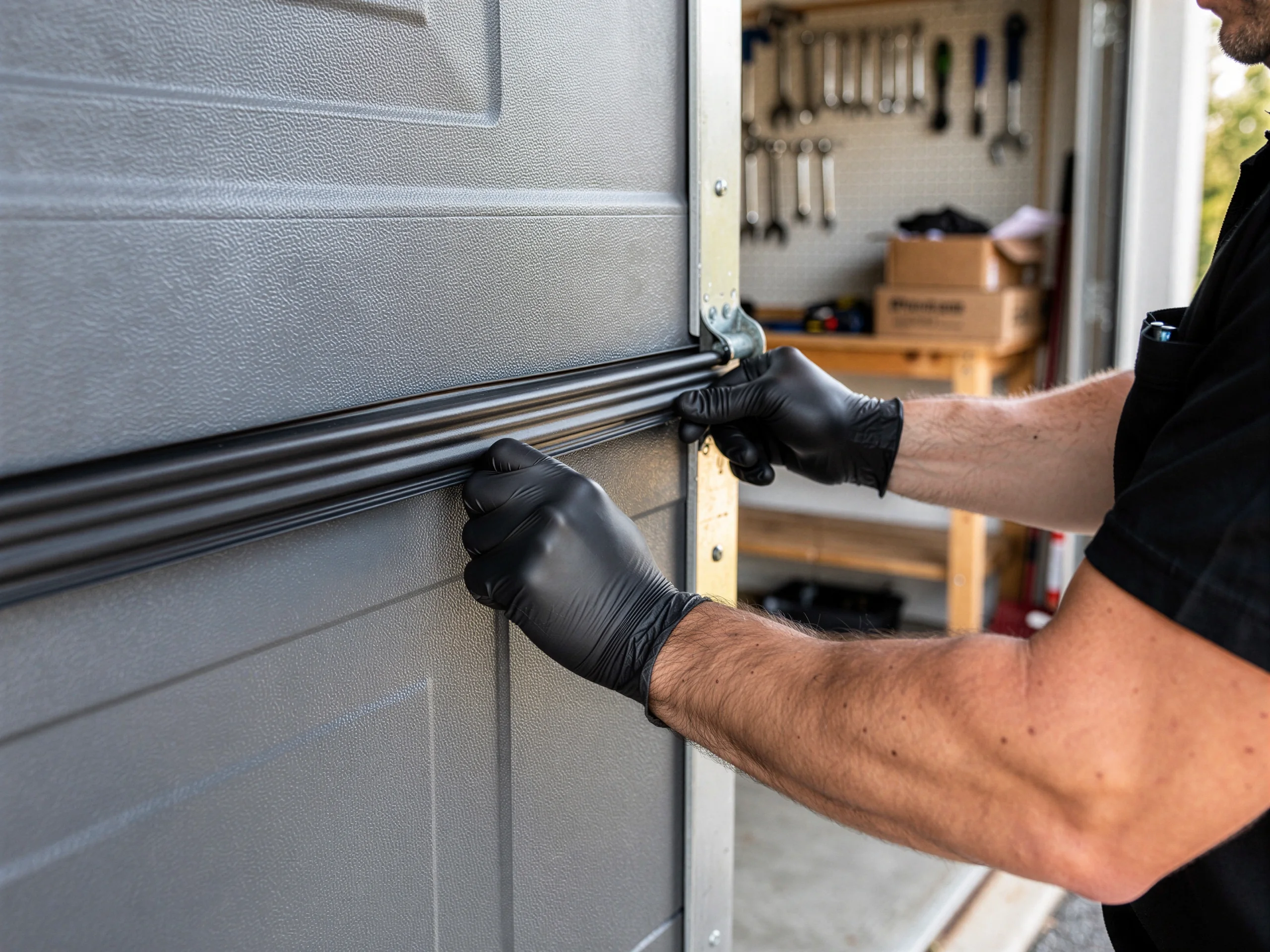
On the newer builds common in this area, the header bracket and shaft are usually in good shape since the house itself isn't old, so the repair is often just the spring and maybe a cracked cable drum, not a full hardware swap.
Replace springs as pairs
We check both springs even if only one broke, since they're generally installed as a matched pair and the surviving one is usually close behind. We also check the cables while we're in there - on a torsion system, a broken spring can let the door slam down fast enough to kick a cable off its drum, and that's a separate fix if it's happened.
Doing It Yourself
A torsion spring holds enough stored tension to break a hand or worse if it lets go while you're working on it, and the winding bars and tension gauge for doing it safely aren't tools most people keep around for a one-time job. We won't walk you through winding one over the phone. What you can safely check yourself: whether the door is binding on a track, whether a roller looks worn or cracked, and whether the opener is actually getting power - those are legitimate things to rule out before assuming it's the spring. If the door won't lift by hand when disconnected from the opener, that's your sign it's the spring and not the motor.
The Symptom
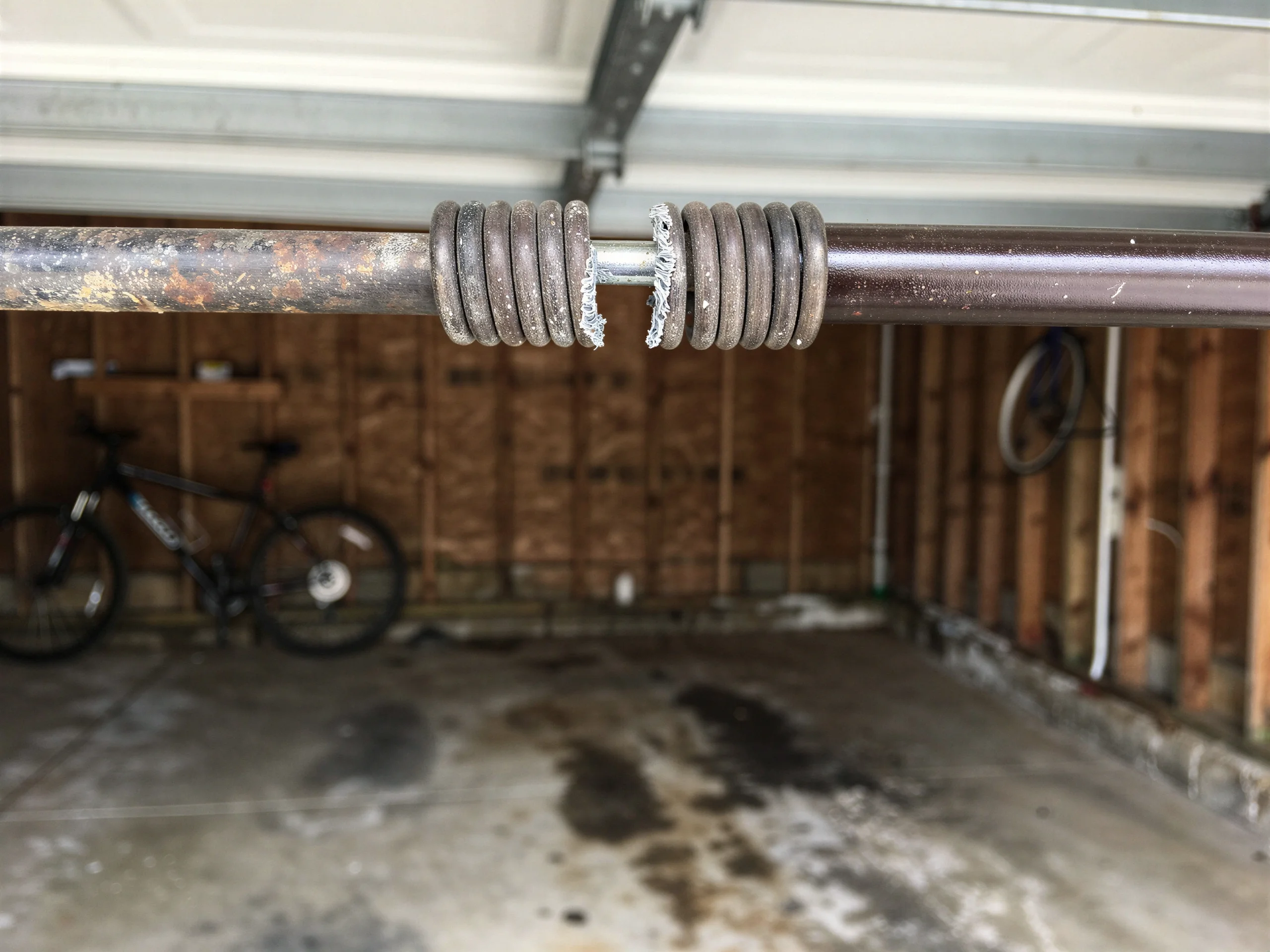
The giveaway is usually a loud bang from the garage, sometimes while nobody's even touching the door, followed by a door that either won't lift at all or feels like it weighs three times what it did the day before.
Stop pressing the button
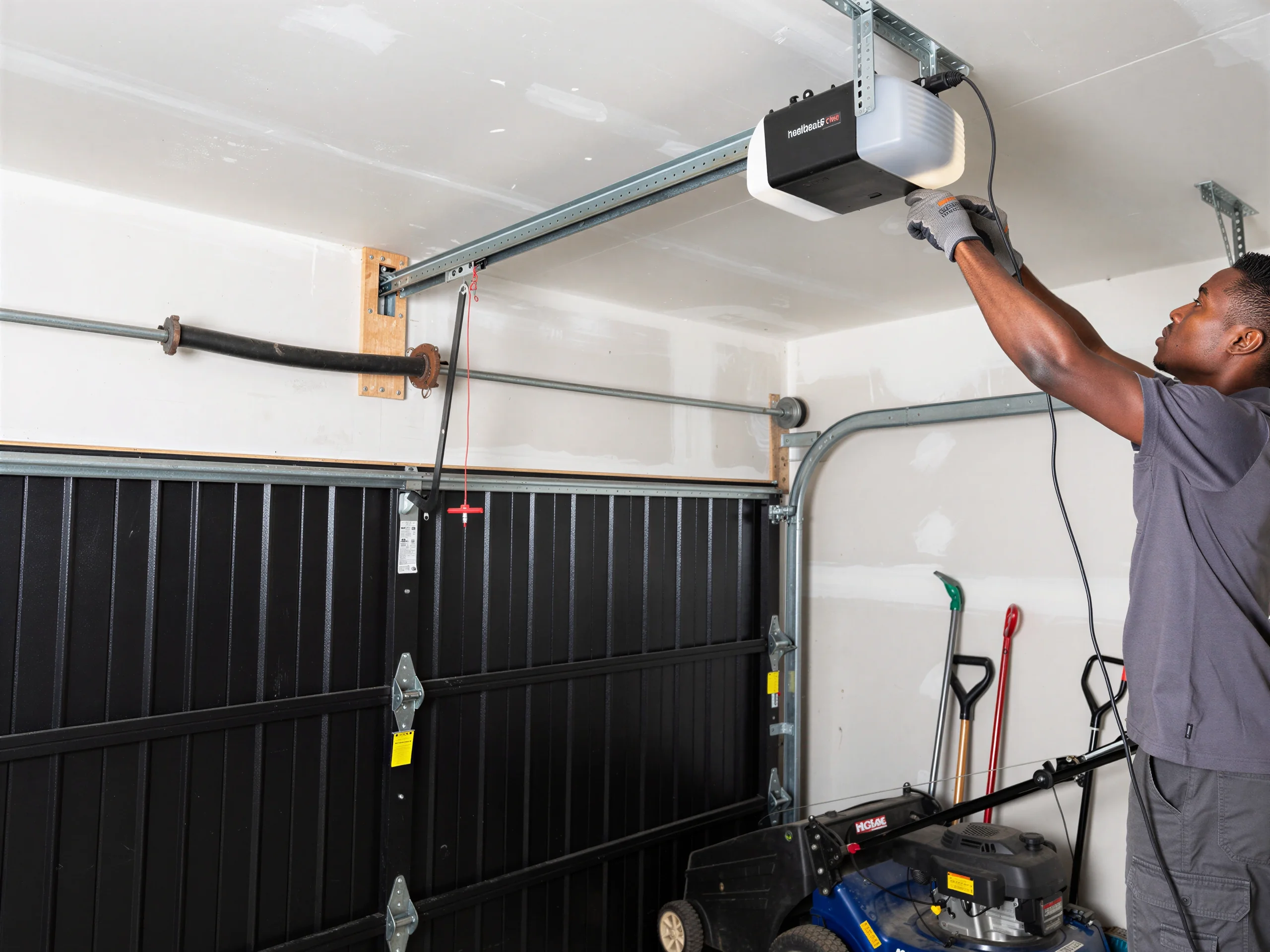
If you try the opener and it hums or strains without the door moving, don't keep hitting the button - that just wears out the opener's motor trying to lift a dead weight it was never built to handle.
Hand-lift test for springs
A door that's heavy to lift by hand with the opener disconnected is a spring problem, not an opener problem, and the two don't get fixed with the same parts.
How to Book
We cover Helotes from our base in Boerne, about 15 miles out, along with other communities on this side of the region including Fair Oaks Ranch and Cross Mountain. Call to get a technician scheduled for a torsion spring repair - have the door's brand or model visible if you can find it, since that speeds up matching the right spring on the first trip. See our Helotes service page for what else we cover in the area, or our spring repair page for Boerne for the general rundown of how we handle this repair.
Talk to a local pro
Garage door service in Boerne?
Same-day service with honest, upfront quotes.