Why It Happens Here
Across the territory we cover from Boerne, houses mostly went up between 1972 and 2005, with a median build year of 1997. Helotes doesn't fit that middle - the homes here skew newer, with a median build year of 2005, roughly a decade past that area-wide midpoint. That matters more than it sounds like it should.
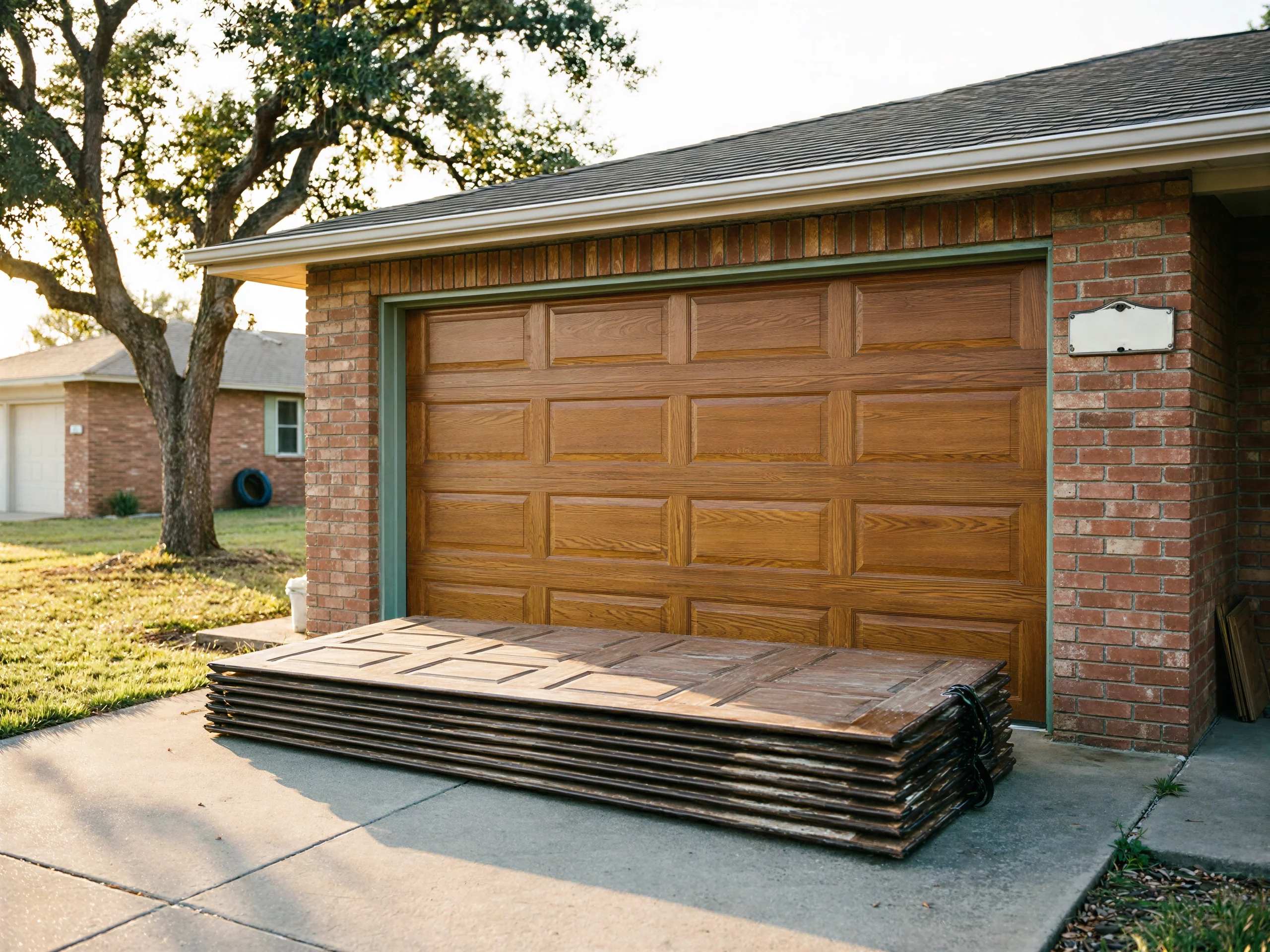
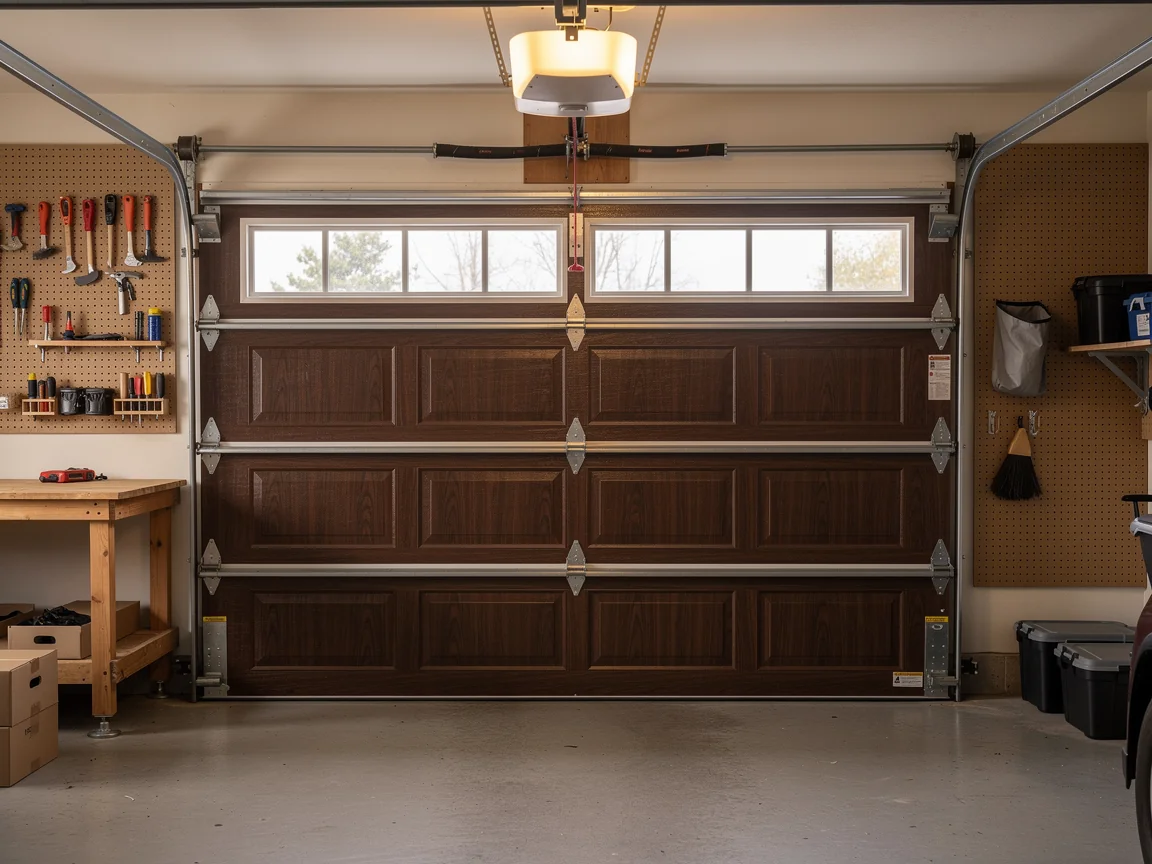
A door built in 2005 isn't carrying the same wear profile as one built in 1985. Steel sectional doors from that era came standard with factory-applied lubrication on hinges and rollers, torsion springs sized correctly for the door weight from day one, and openers that were already DC motor, chain or belt drive rather than the older AC units that strip gears. The failures we see in Helotes tend to be about neglect catching up with newer hardware - dried-out lube, a weatherstrip that's finally given out, a sensor eye knocked out of alignment - rather than the structural fatigue you get chasing 30-plus-year-old torsion springs on original hardware elsewhere in the territory.
Helotes households also run a median income of $129,884, a little under the $135,120 median for the rest of the service area. That doesn't change the door itself, but it does shape what gets fixed versus replaced - newer doors here are more often worth repairing all the way through, since the base hardware isn't obsolete.
What the Repair Takes
On a 2000s-era door, parts are rarely the holdup. Standard-width torsion springs, factory-size rollers, and common opener logic boards for this build era are stocked, not special-ordered.
Diagnosing noise sources
What takes the time is diagnosis - figuring out whether a noisy door is a roller that's finally seized or a track that's gone slightly out of plumb, which on a newer door is more likely from a settling slab than from twenty years of door slamming its way loose.
Full maintenance checklist
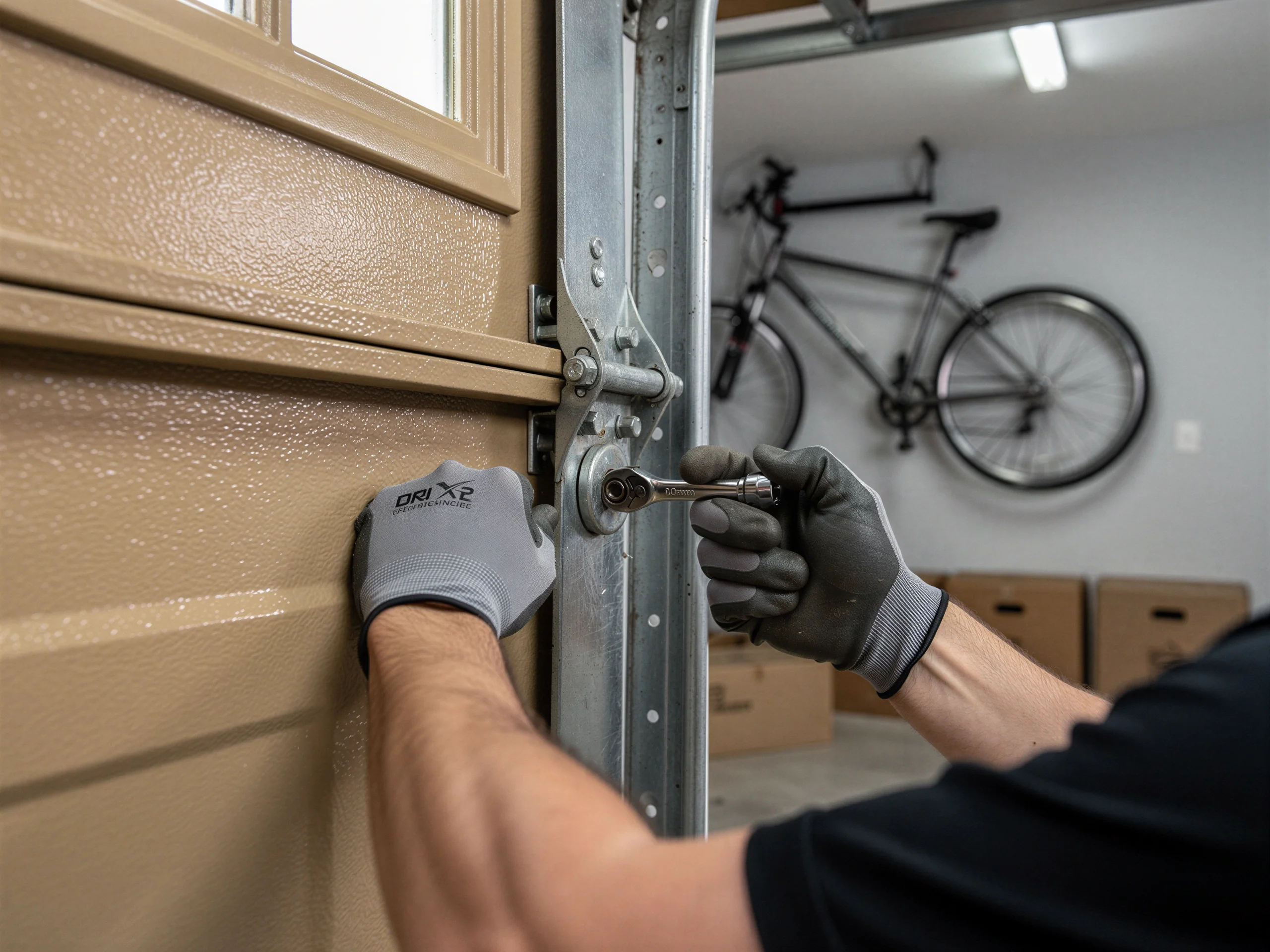
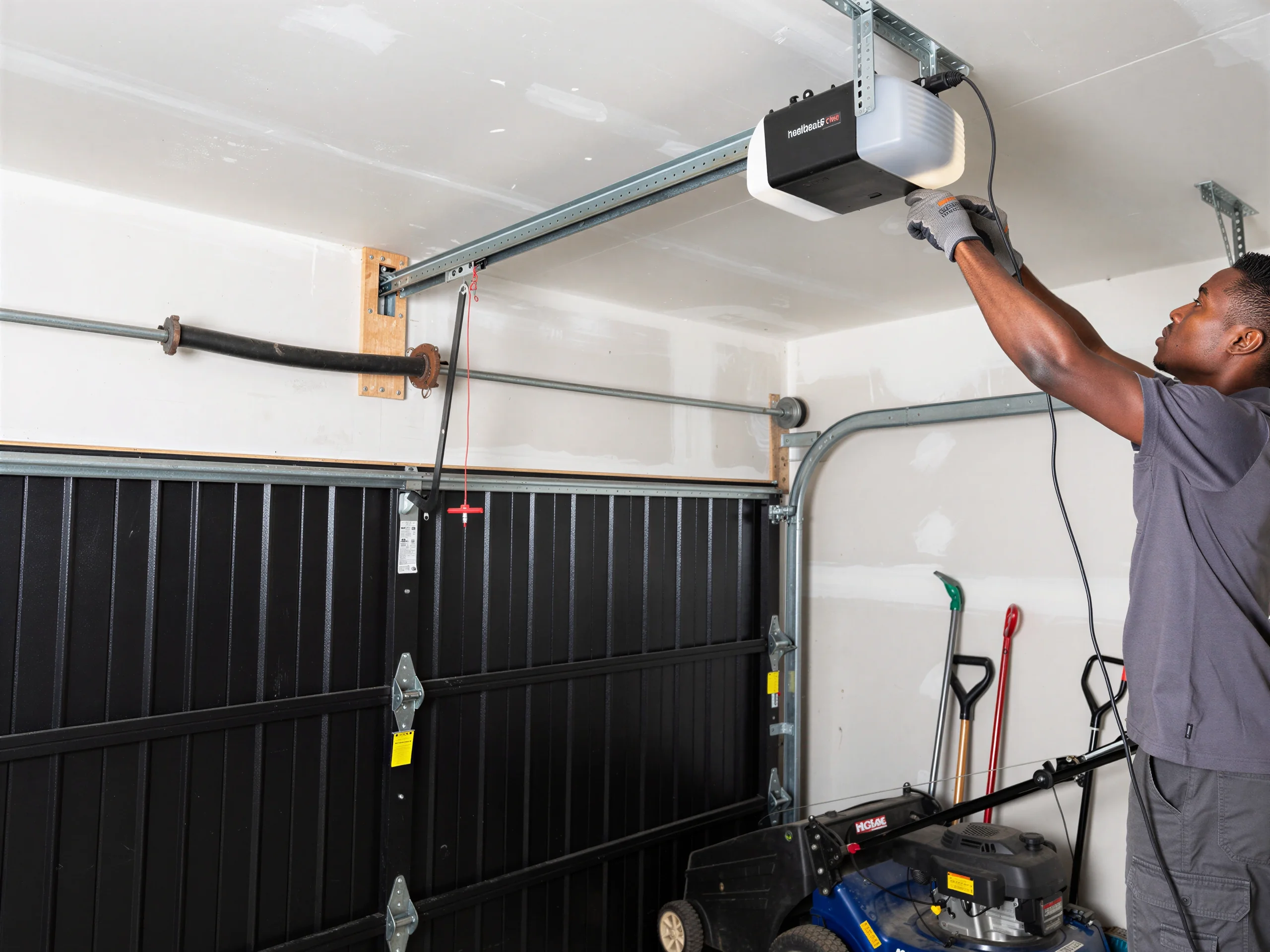
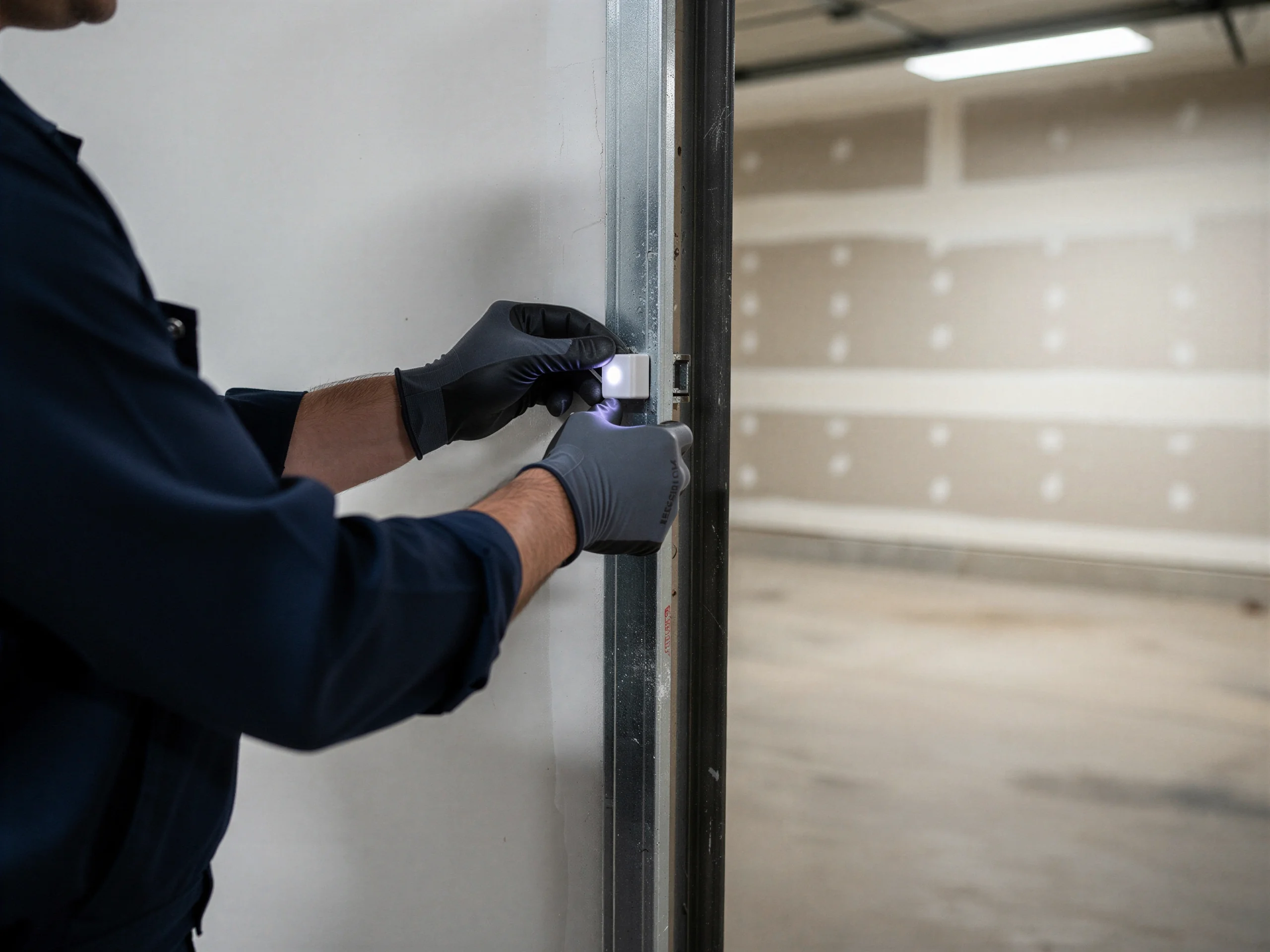
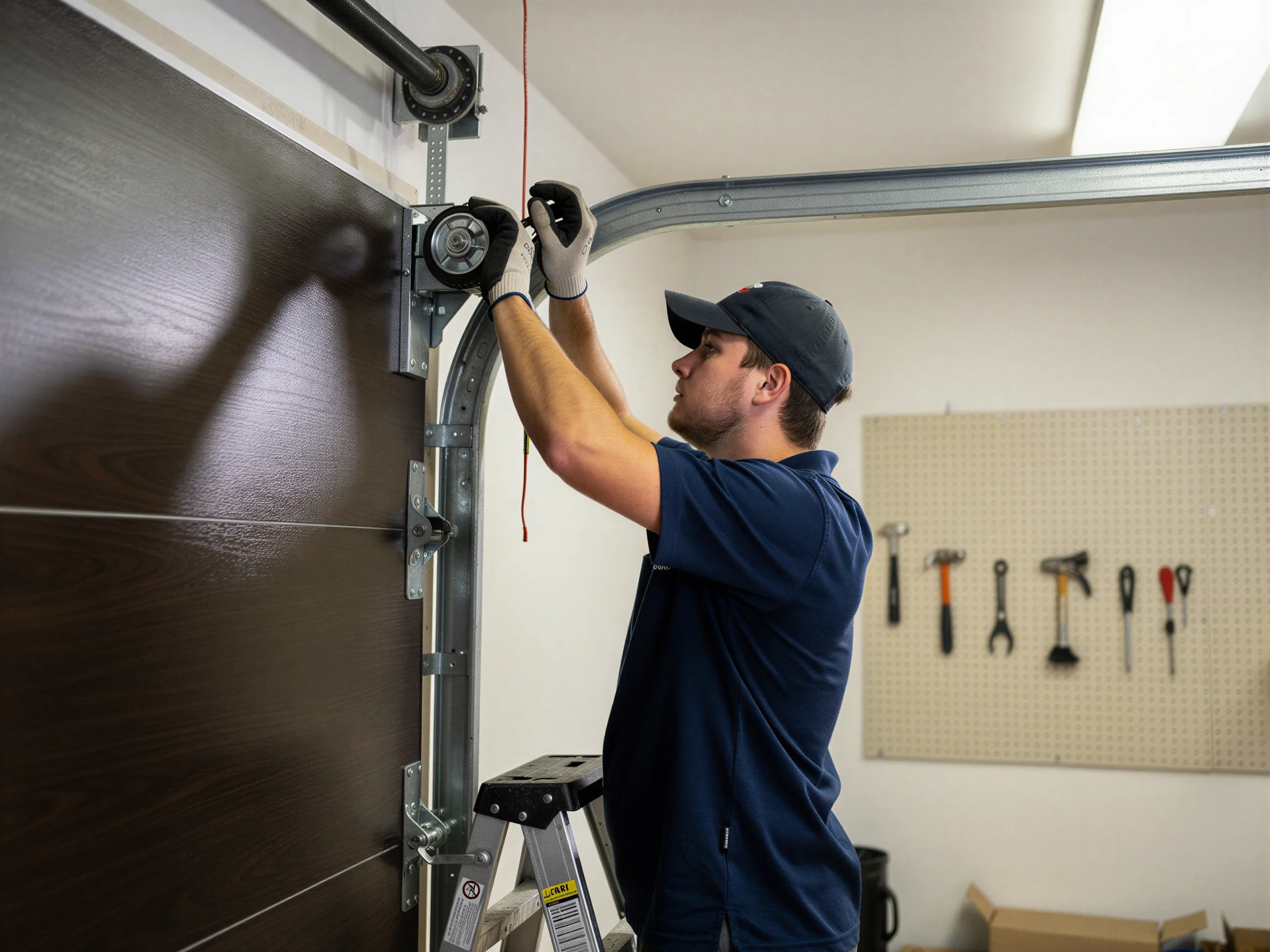
A full maintenance visit means lubricating hinges, rollers, and the torsion spring itself, checking cable tension at the drum, testing the auto-reverse safety sensors, and retensioning the opener's travel limits if the door's been drifting off its stop point. On a door built around 2005, most of that is preventive - catching a cable fraying before it snaps, not replacing a spring that's already blown.
Broken spring needs two
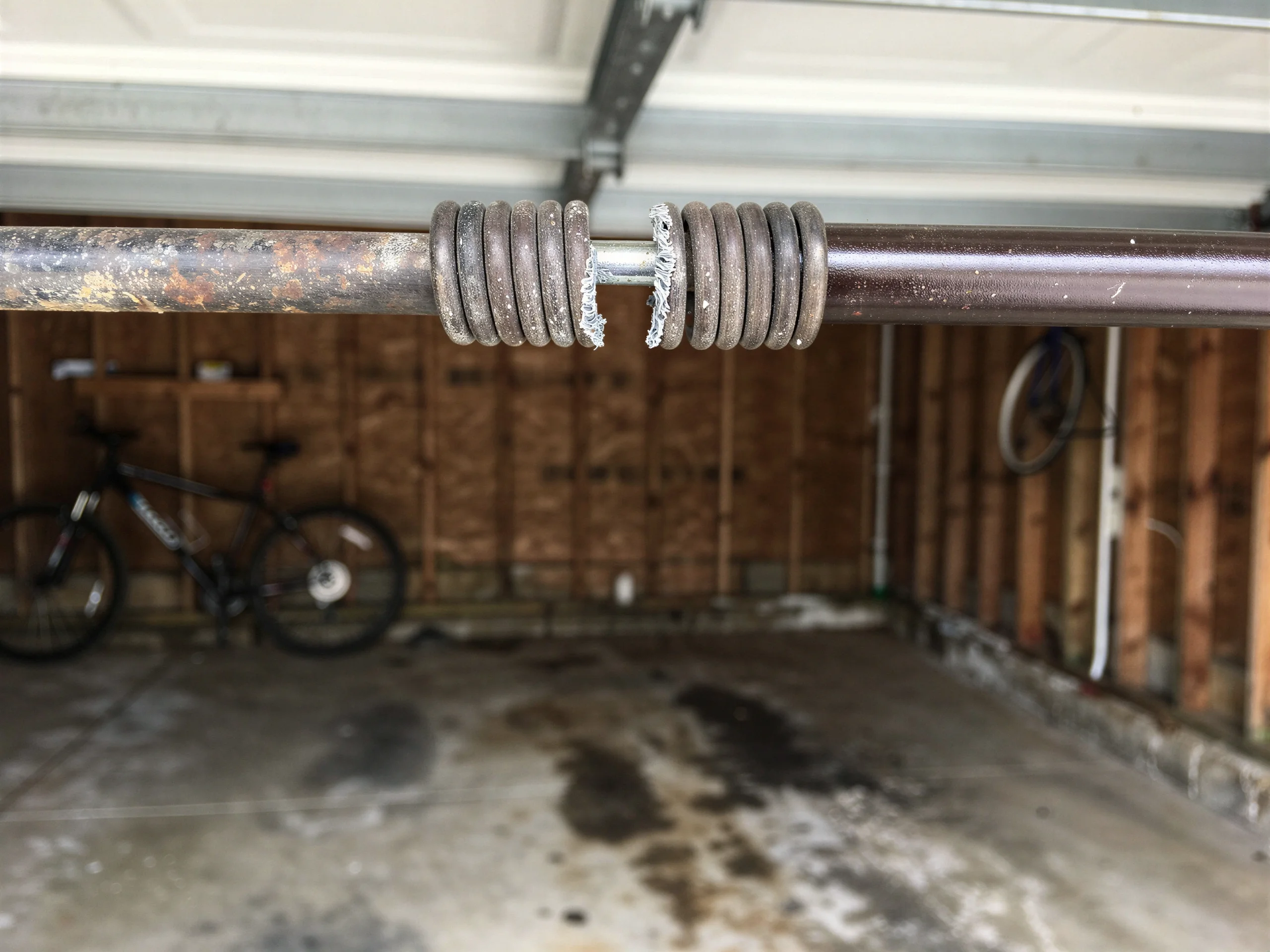
The honest limit here: if a torsion spring has already failed, that's not a DIY lubrication fix and not something we talk you through over the phone. A broken spring under tension is a two-person job with the right bars, and we'd rather schedule it properly than rush it on a drive-by.
Doing It Yourself
There's real maintenance a homeowner can do between visits, and most of it takes fifteen minutes. Wipe down the tracks and check for dents or gaps where the rollers ride - on a newer Helotes build this is usually clean, so a sudden gap is worth a call, not a shrug. Lubricate hinges and rollers with a garage-door-specific silicone spray, not household oil, which attracts grit.
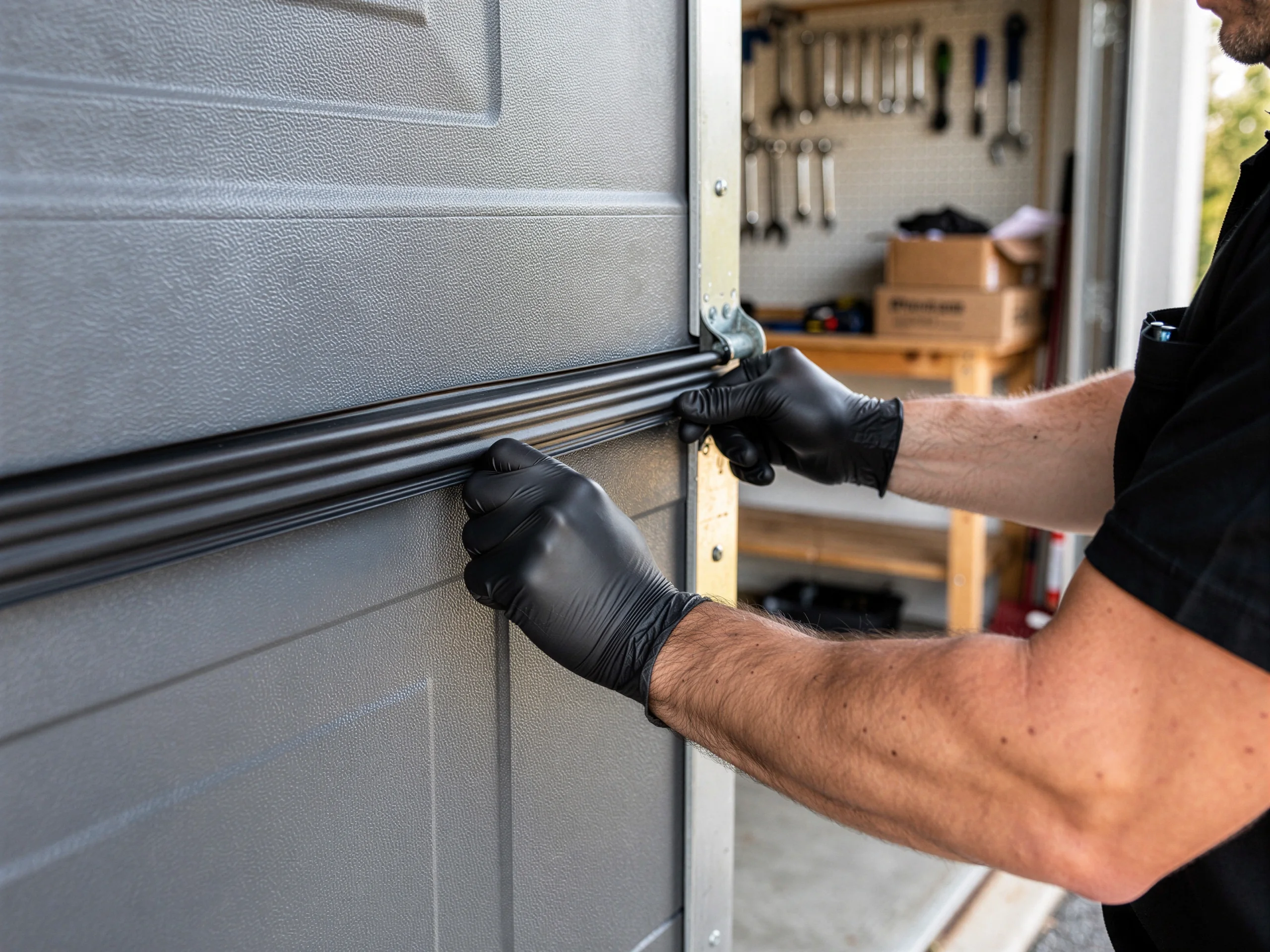
Check the weatherstripping along the bottom panel and sides. On a house built around 2005, original weatherstripping is well past its expected life and is one of the most common reasons a door feels like it's sticking when it's actually just dragging on cracked rubber.
What not to touch: the torsion spring, period. It's under enough tension to cause serious injury, and no amount of general handiness changes that math. Also leave the opener's force and limit settings alone unless you know exactly what you're adjusting - overtightening the down-force is a common way homeowners turn a minor noise into a door that won't open at all.
The Symptom
The climate here runs mild with the occasional freeze, not the long hard winters that crack grease and swell wood doors elsewhere.
Cold morning first-cycle strain
But a handful of cold mornings a year still show up the same way on a Helotes door: a torsion spring and track grease that's gone stiff overnight, so the opener strains harder on the first cycle of the day, then runs normal once things warm up. On an older door this gets masked by a dozen other issues.
Morning groan is lubrication
On a newer one, it's often the whole story - a door that groans or hesitates once in the morning cold snap and then behaves the rest of the day is almost always a lubrication issue, not a motor or spring problem. If that groan turns into a grinding noise that doesn't go away once the day warms up, that's worth a call - it usually means a roller bearing has actually failed, not just stiffened.
How to Book
We run maintenance visits out to Helotes from Boerne, about 15 miles out, as a scheduled appointment rather than a same-day emergency stop - that's a fair expectation to set going in. If your door is making a new noise or sticking on cold mornings, book ahead rather than waiting for it to fail on a Saturday.
See more on garage doors in Helotes, or if you're closer to Boerne itself and want the fuller picture on maintenance across the territory, that's covered on the Boerne garage door maintenance page.
Talk to a local pro
Garage door service in Boerne?
Same-day service with honest, upfront quotes.