Why It Happens Here
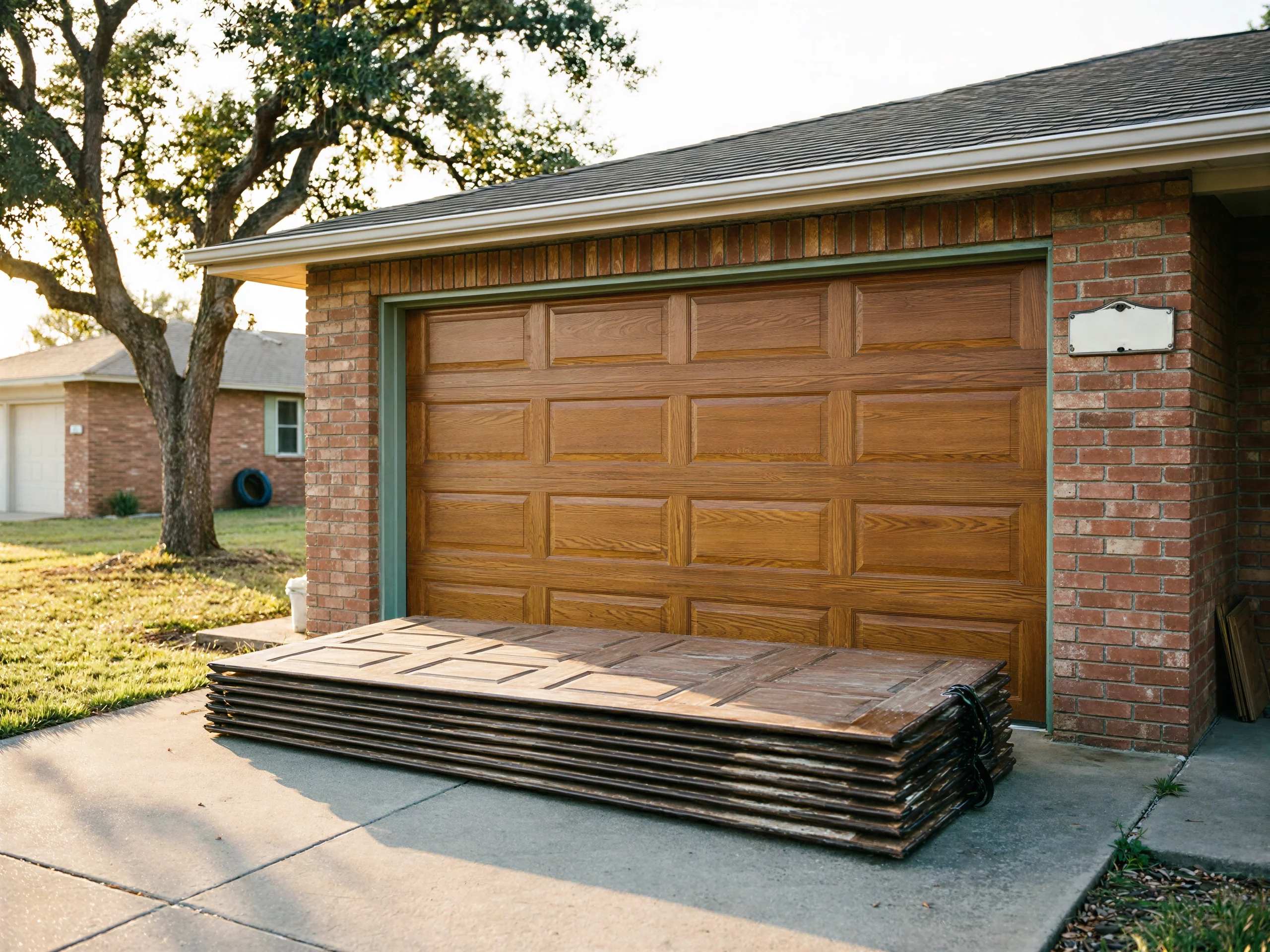
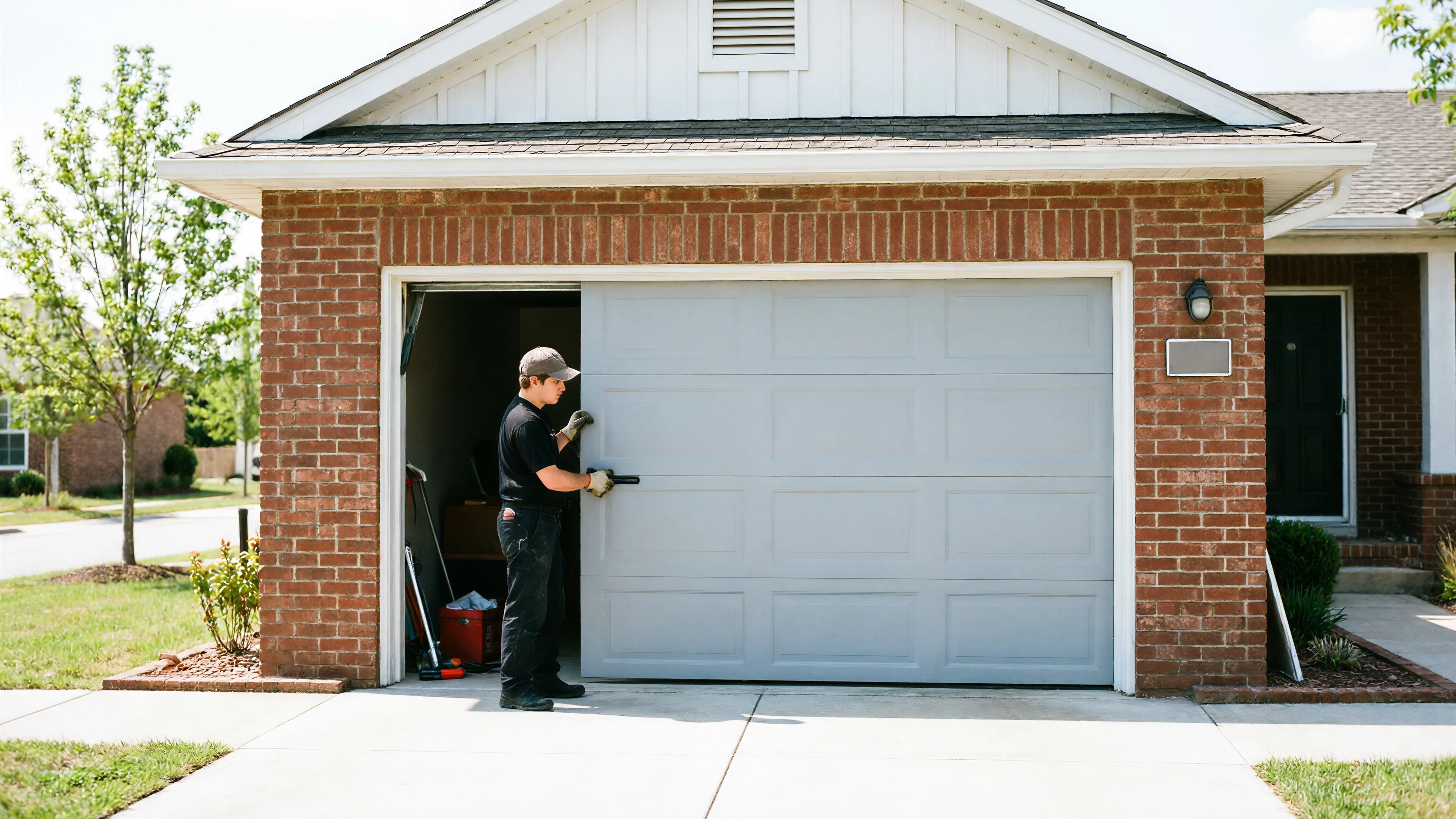
Most houses in Helotes went up around 2005, which puts the original garage door opener right at the edge of its working life. Chain-drive and belt-drive units from that era used circuit boards and gear sets that were built to last 15 to 20 years under normal use, not indefinitely. When that board starts failing, you get an opener that runs the motor but won't engage the trolley, or one that only responds every third or fourth press of the remote. That's a board problem, not a spring problem, and no amount of lubricant fixes it. Across the wider service area the housing stock runs 1972 to 2005, but Helotes sits at the newer end of that range, so the fault pattern here skews toward electronics and logic boards rather than the worn-out gear-and-sprocket failures you see in older stock elsewhere in the territory. The climate here is mild with occasional freeze, which isn't hard on openers the way heavy freeze-thaw cycles are elsewhere, but humidity swings still corrode contact points on an aging board faster than most owners expect.
What the Repair Takes
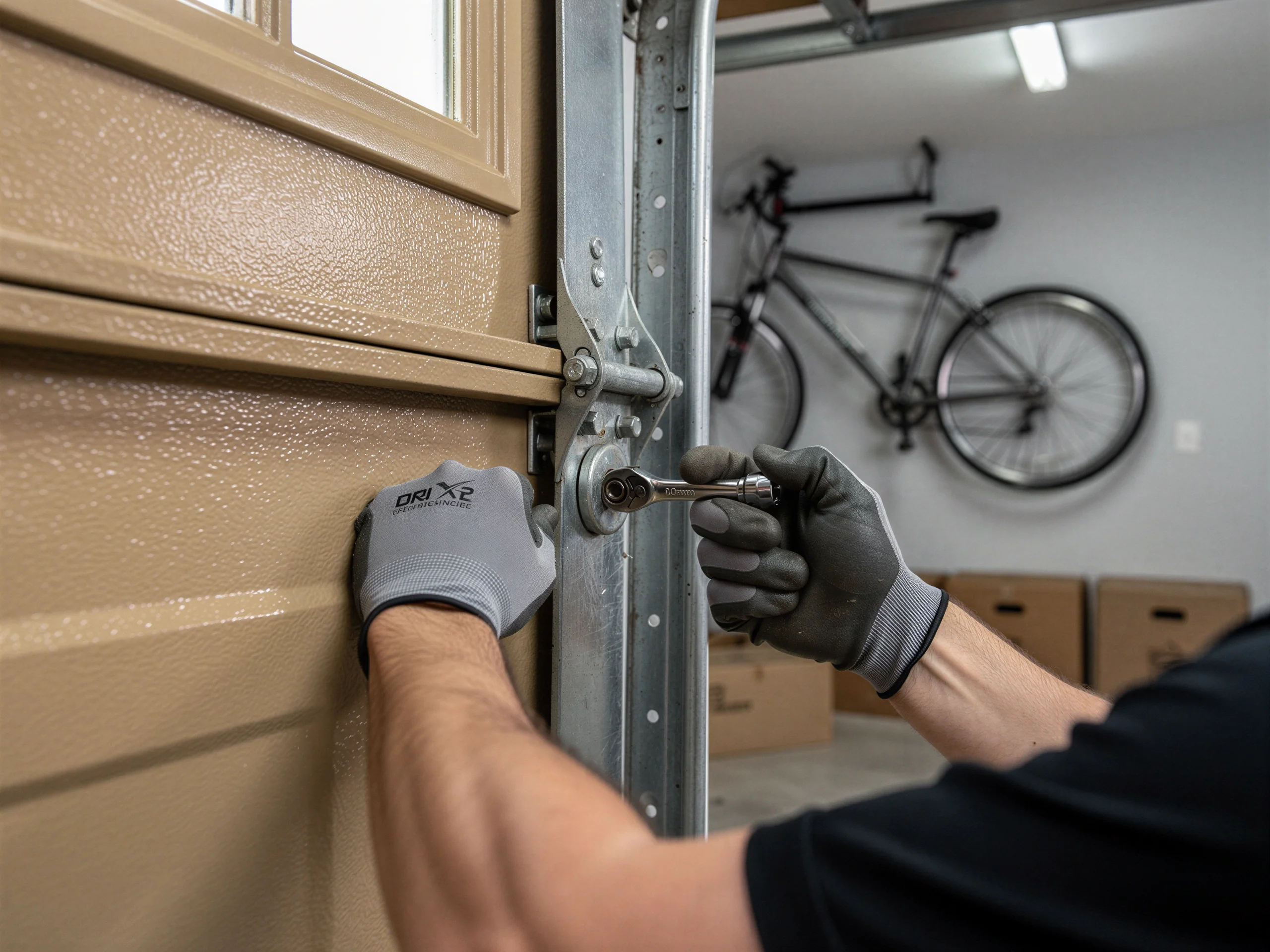
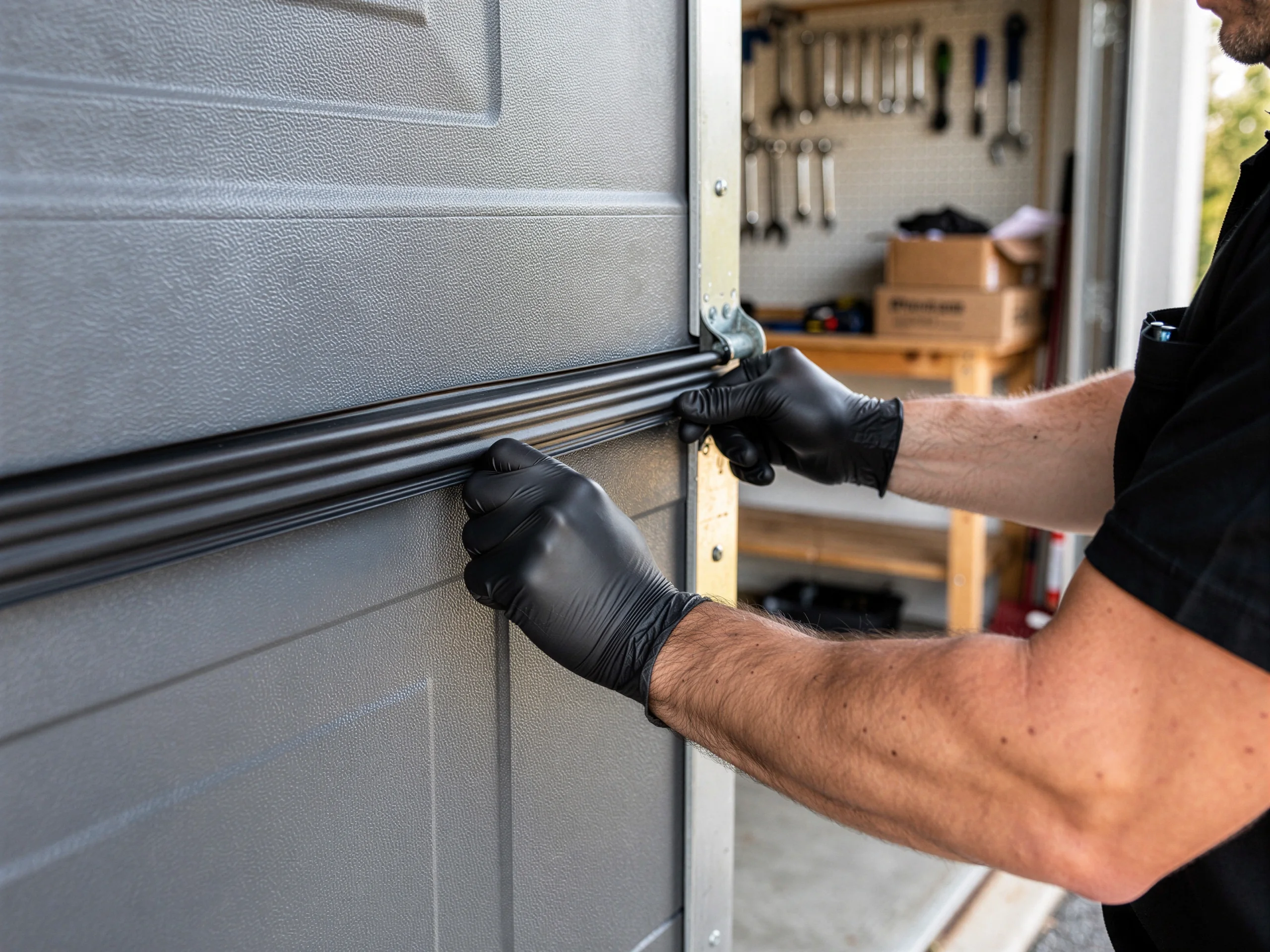
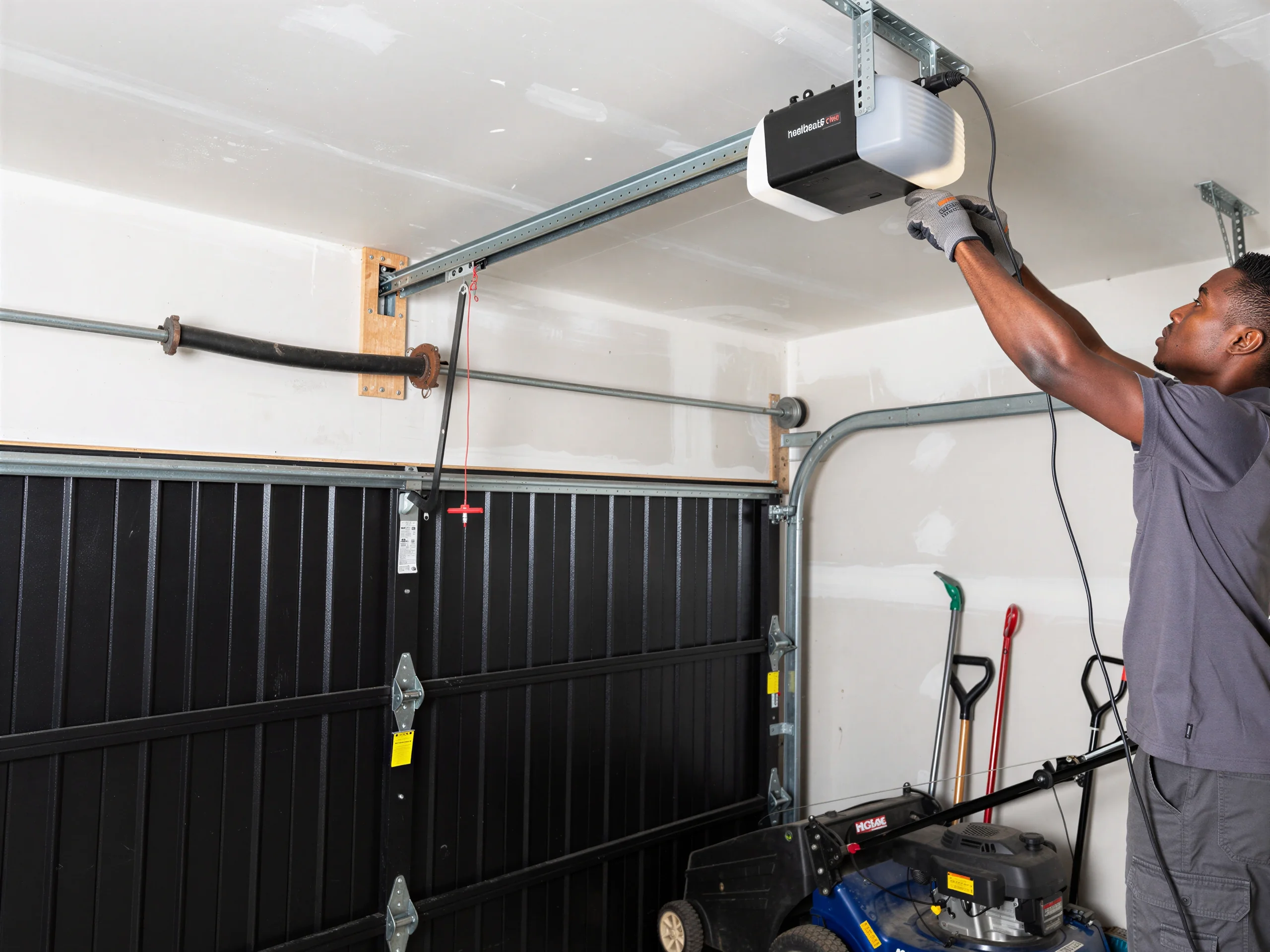
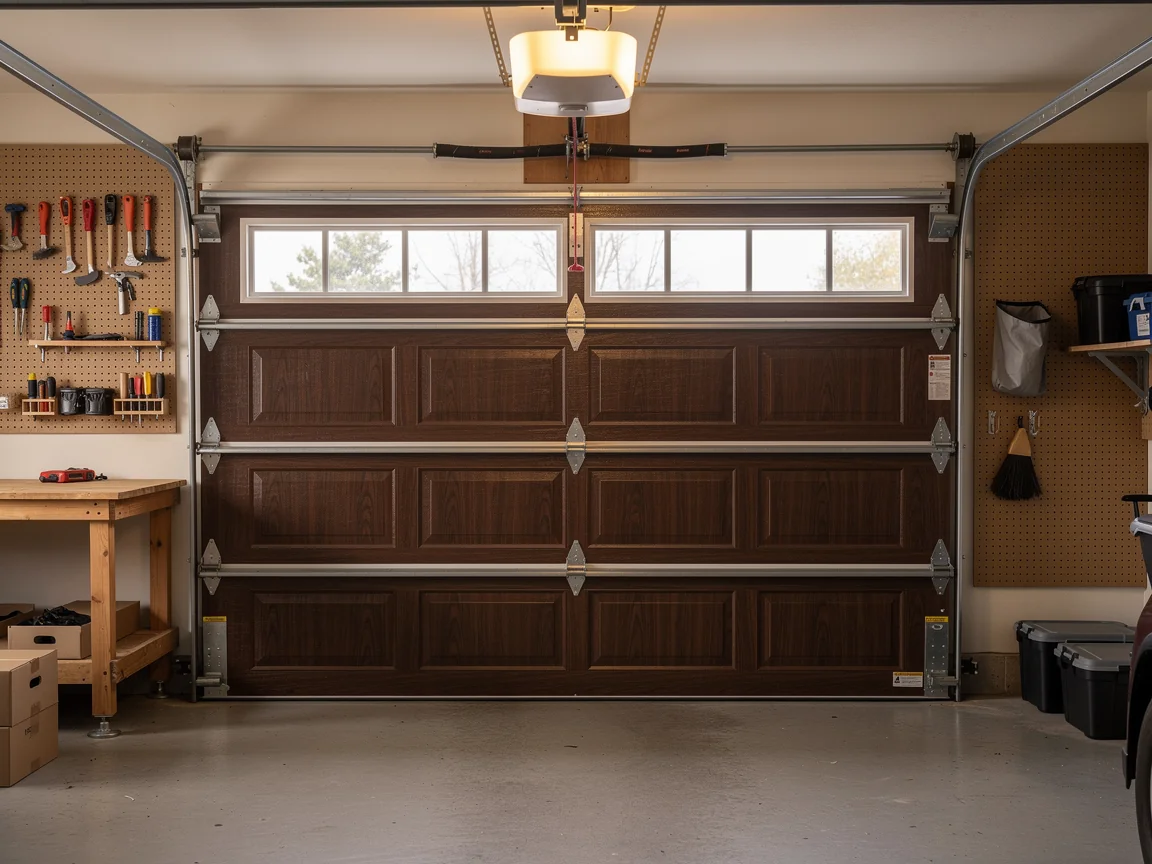
A straight opener swap on a standard residential door is a few hours of work: pull the old unit, mount the new rail and head, rewire the wall control and safety sensors, and set the travel limits and force settings so the door doesn't slam or stall.
Replacing old sensor housings
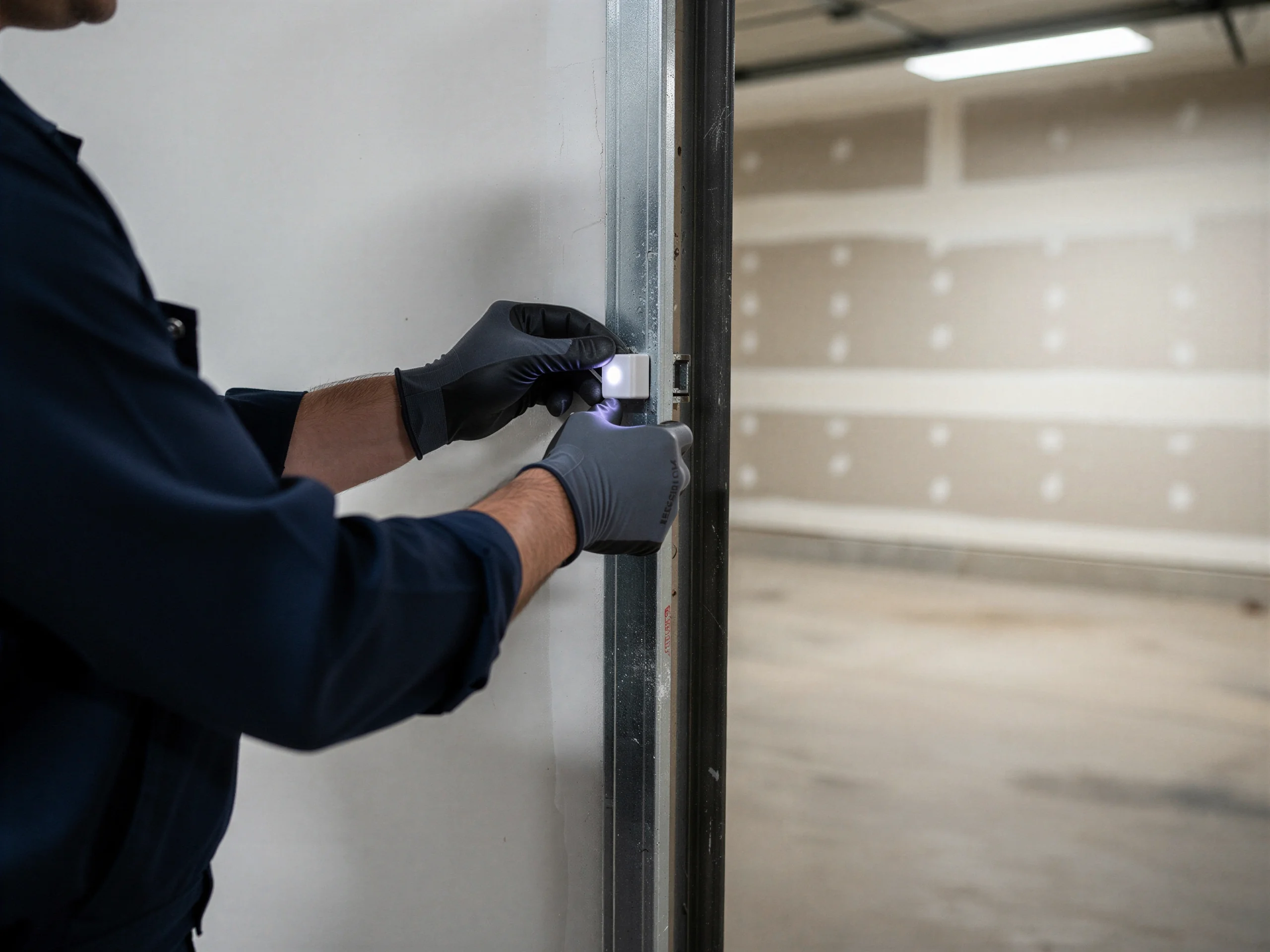
If the existing safety-eye sensors are original to a 2005 install, we replace those too rather than wire new electronics into old sensor housings that may already be cracked or misaligned.
Less common brand boards
One limitation worth saying plainly: we don't stock every opener brand's proprietary circuit board for on-the-spot board-only repair, so if your unit is a less common brand and only the logic board has failed, full replacement is often the faster and more reliable path rather than waiting on a specialty part.
Doing It Yourself
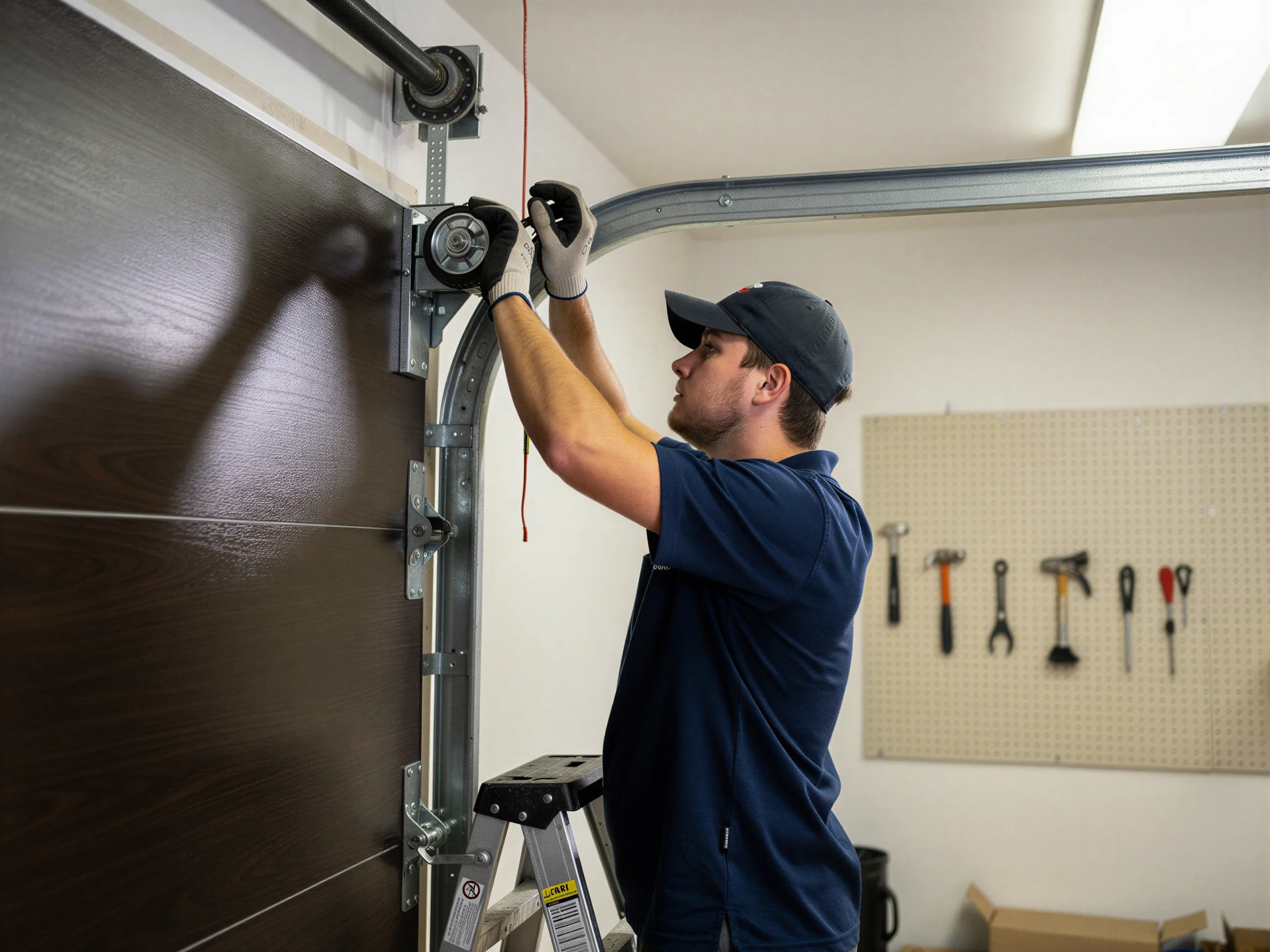
Swapping a wall control or reprogramming a remote is reasonable for most owners. Replacing the opener head itself is a different job: it means working overhead with the door's spring system under tension nearby, setting force limits correctly so the door doesn't come down on a car or a kid's bike, and wiring the safety sensors so they actually trip when they should. Get the force setting wrong and you've got a door that either won't close or closes hard enough to hurt someone. If you're comfortable with the electrical side and have a second set of hands to hold the rail steady, it's doable. If not, it's the kind of job where the mistake doesn't show up until the day it matters.
The Symptom
The giveaway in a house this age is intermittent response: the remote works from the driveway but not from across the yard, or the door opens fine in the morning and refuses by evening once the garage has warmed up.
Heat stress worsens boards
That's a board under heat stress, and it almost always gets worse, not better. A second common sign is the opener running louder than it used to, grinding faintly before it engages - that's the drive gear wearing down inside a unit that's now pushing two decades old.
Opener nearing end of life
Neither symptom means the door itself is bad. It means the opener installed when the house was built is finishing its service life, which is about when you'd expect for equipment from 2005.
How to Book
We cover Helotes from our base in Boerne, about 15 miles out, along with Fair Oaks Ranch, Cross Mountain, Shavano Park and the rest of the surrounding area. There's no local branch or depot in Helotes itself - the truck comes from Boerne for every job. See the Helotes service page for what else we cover in the area, or the opener installation page for Boerne if you're outside Helotes proper. Call to describe the symptom and we'll tell you honestly whether it's a board issue, a sensor issue, or a full-unit swap before anyone drives out.
Talk to a local pro
Garage door service in Boerne?
Same-day service with honest, upfront quotes.