What Is on the Truck
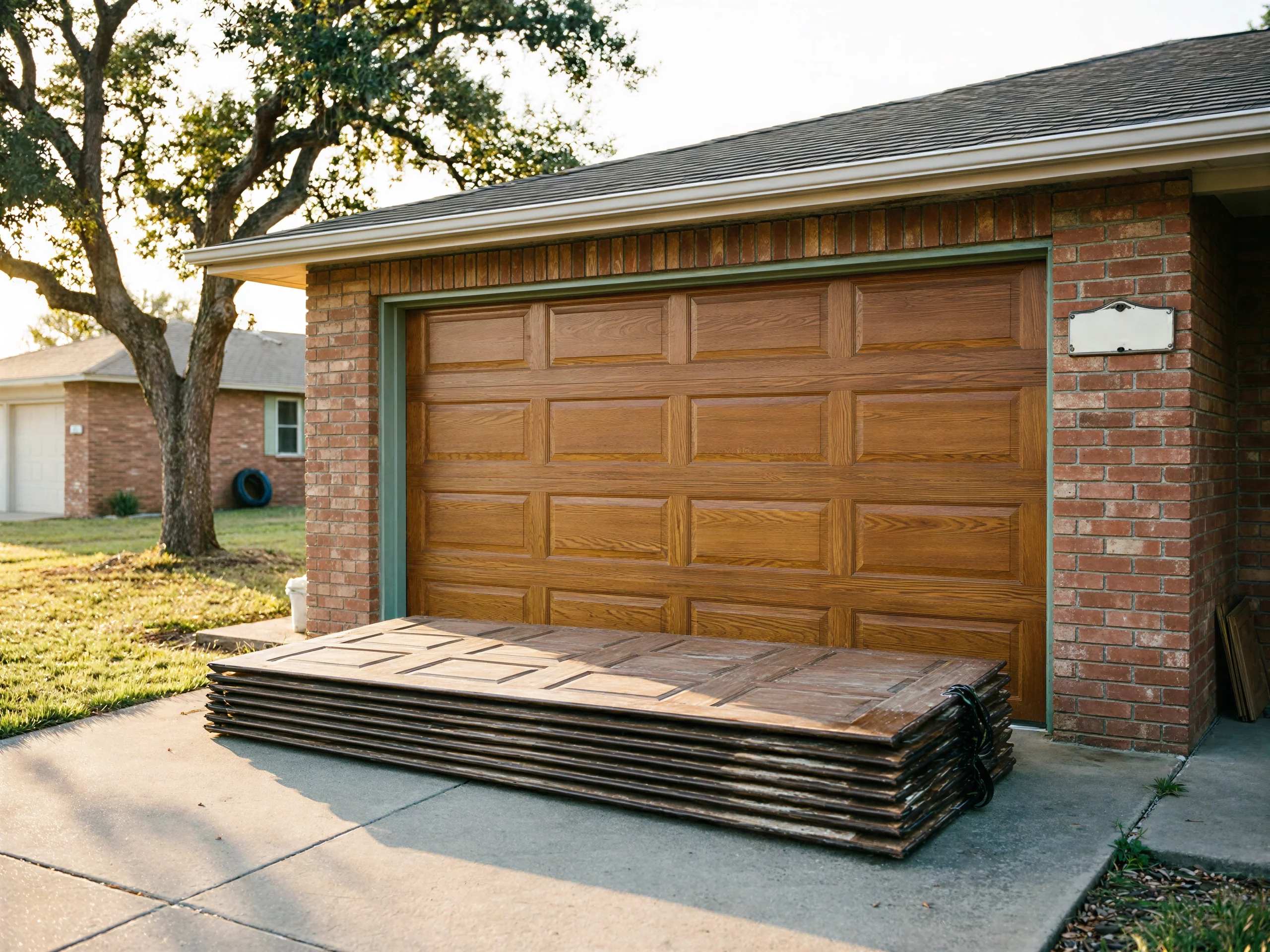
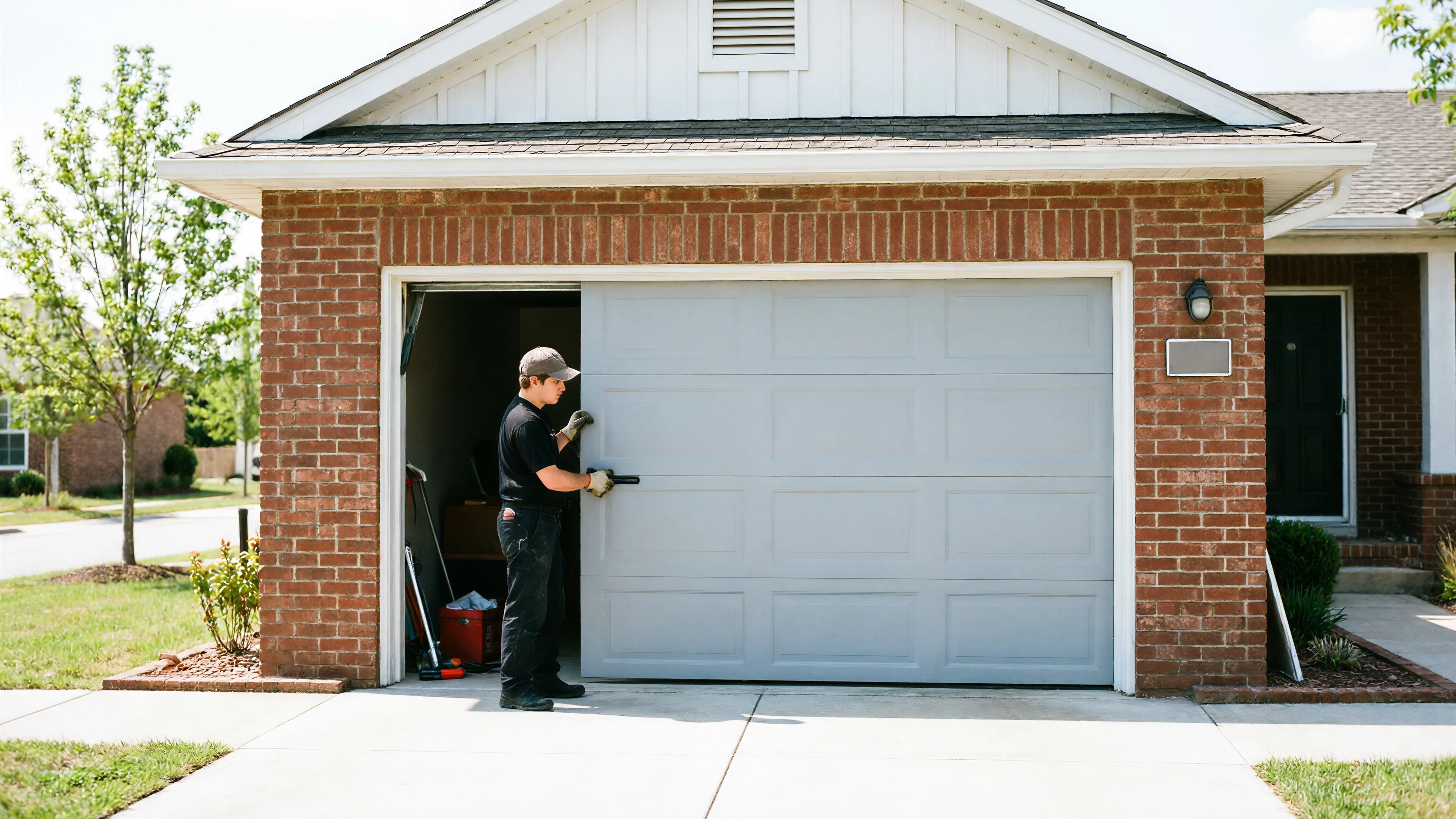
Bulverde's housing mostly went up around 1995, which tells us what we're going to find before we knock. That era is steel sectional doors, usually non-insulated, in the 9x7 single or 16x7 double size, hung on torsion springs rather than the older extension-spring setup.
Raised-profile steel panels
The panels are raised-profile steel, no foam core, which means they're lighter than today's insulated doors but also more prone to denting and to rust creeping in at the bottom section where water sits.
Mid-90s spring inventory
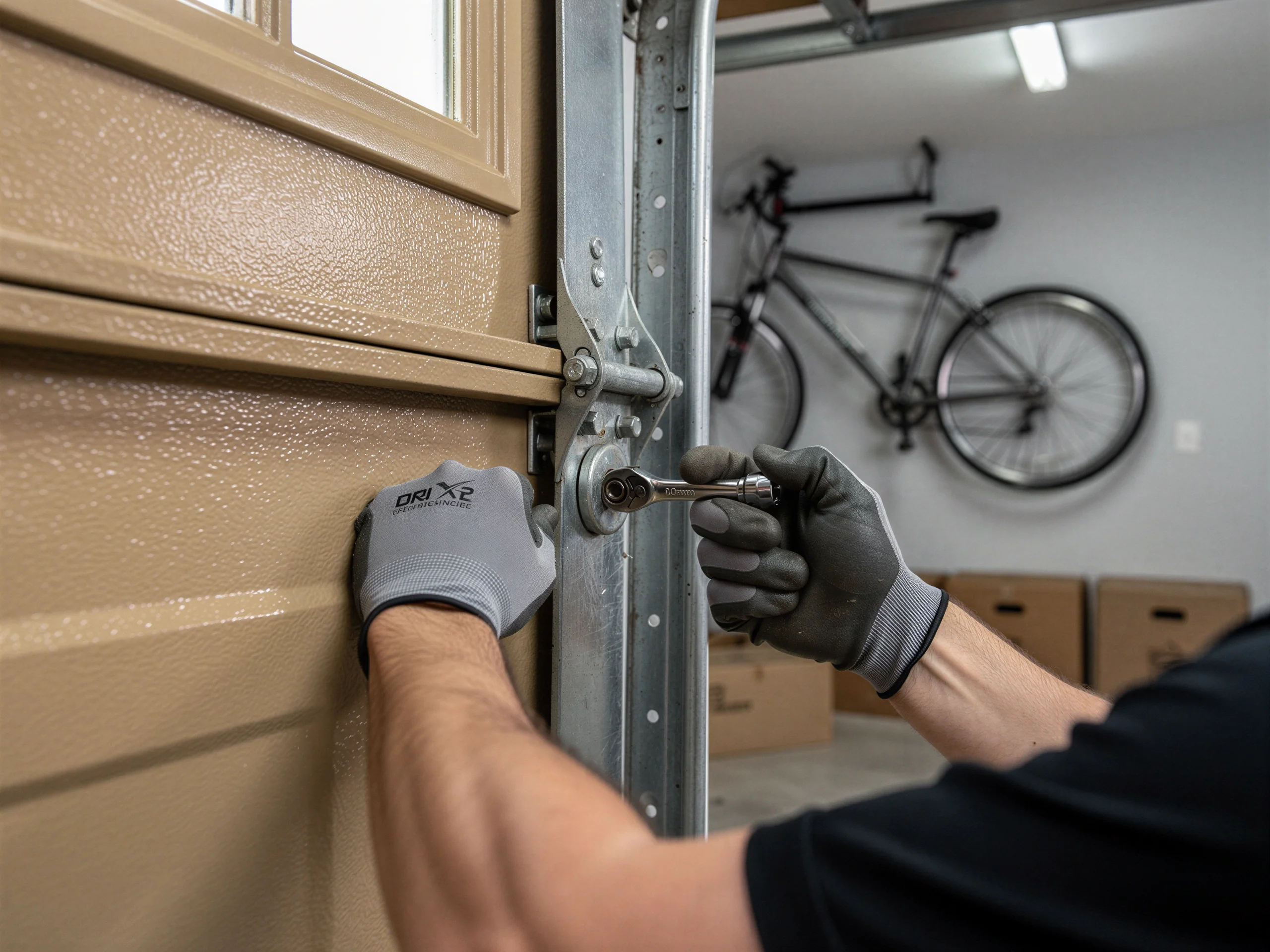
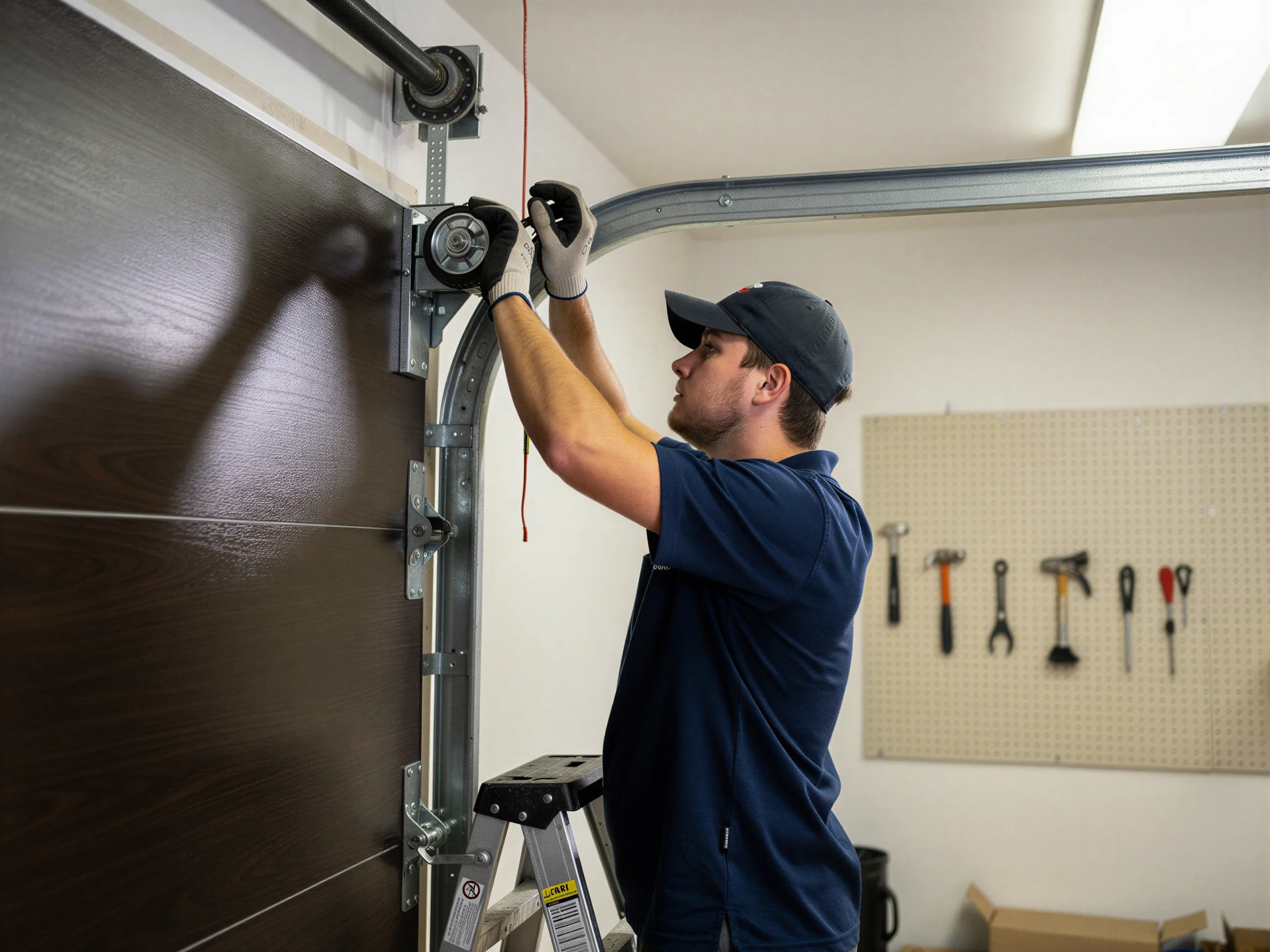
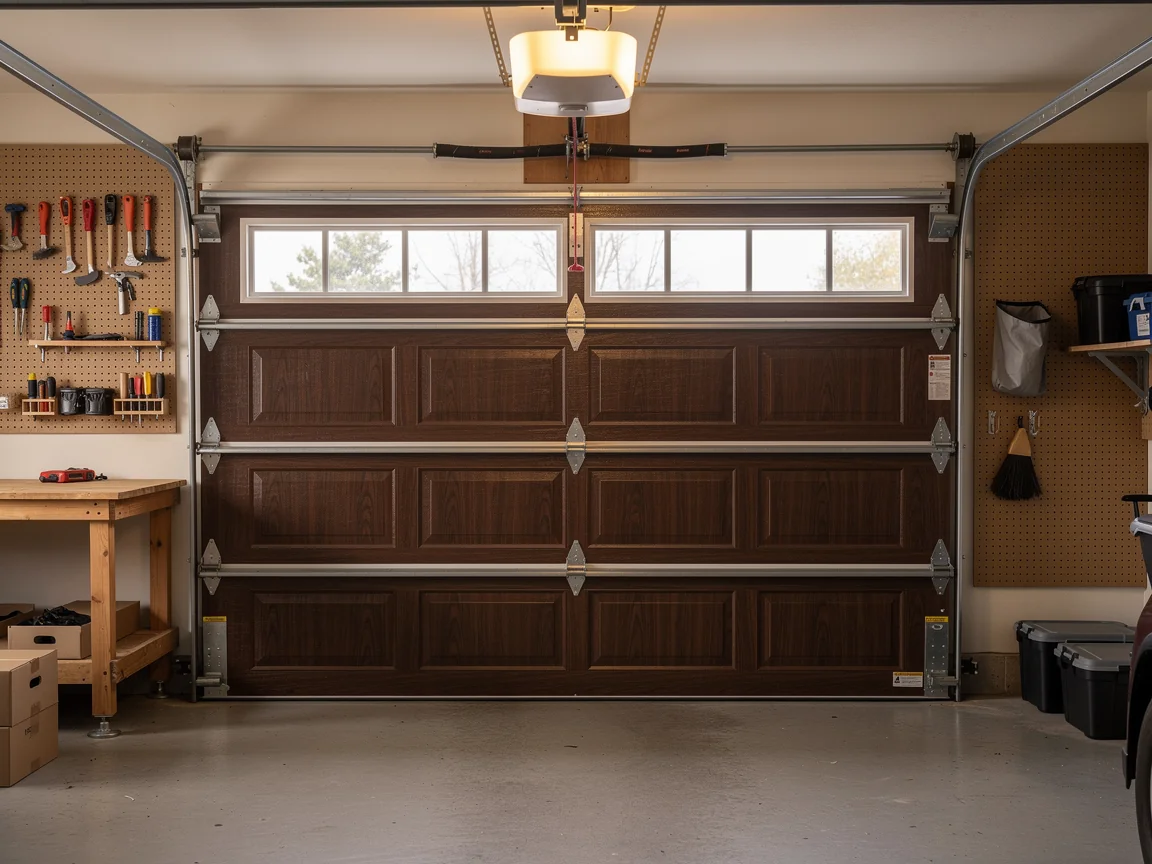
Because that's the dominant door type out here, the truck carries torsion springs in the common mid-90s shaft sizes, matching end bearing plates, and galvanized rollers to swap out the stamped-steel ones that were standard then and wear loud. We also carry the drums and cables sized for a 7-foot door, since that's what most of this stock runs.
Glass doors not stocked
What we don't load heavy for is insulated glass-panel doors or anything wider than a standard double - that's a smaller slice of what's actually out there in a town built on this timeline, and we'd rather carry the right spring than carry everything.
What You Pay
Bulverde runs a median household income of $108,413, noticeably below the $135,120 median across the rest of our service area. That gap tracks with what we see on the doors themselves: more original builder-grade hardware still in service, fewer early replacements, more jobs where the spring finally lets go because it's the first one the house has ever had.
Keeping the original door
A repair call here is often a straight spring-and-roller job rather than a full door swap, because the original steel door from the mid-90s is usually still straight and worth keeping.
Quote includes trip costs
We quote the job itself - parts, labor, and the trip - not a flat rate that ignores what's actually on your garage. A torsion spring replacement on a 1995-era double door costs differently than an opener swap or a bent track pull.
Parts matched to local stock
We can't give you a number without seeing the door, but we can tell you the parts bin we're pulling from is built around exactly the stock this town has.
The Symptom
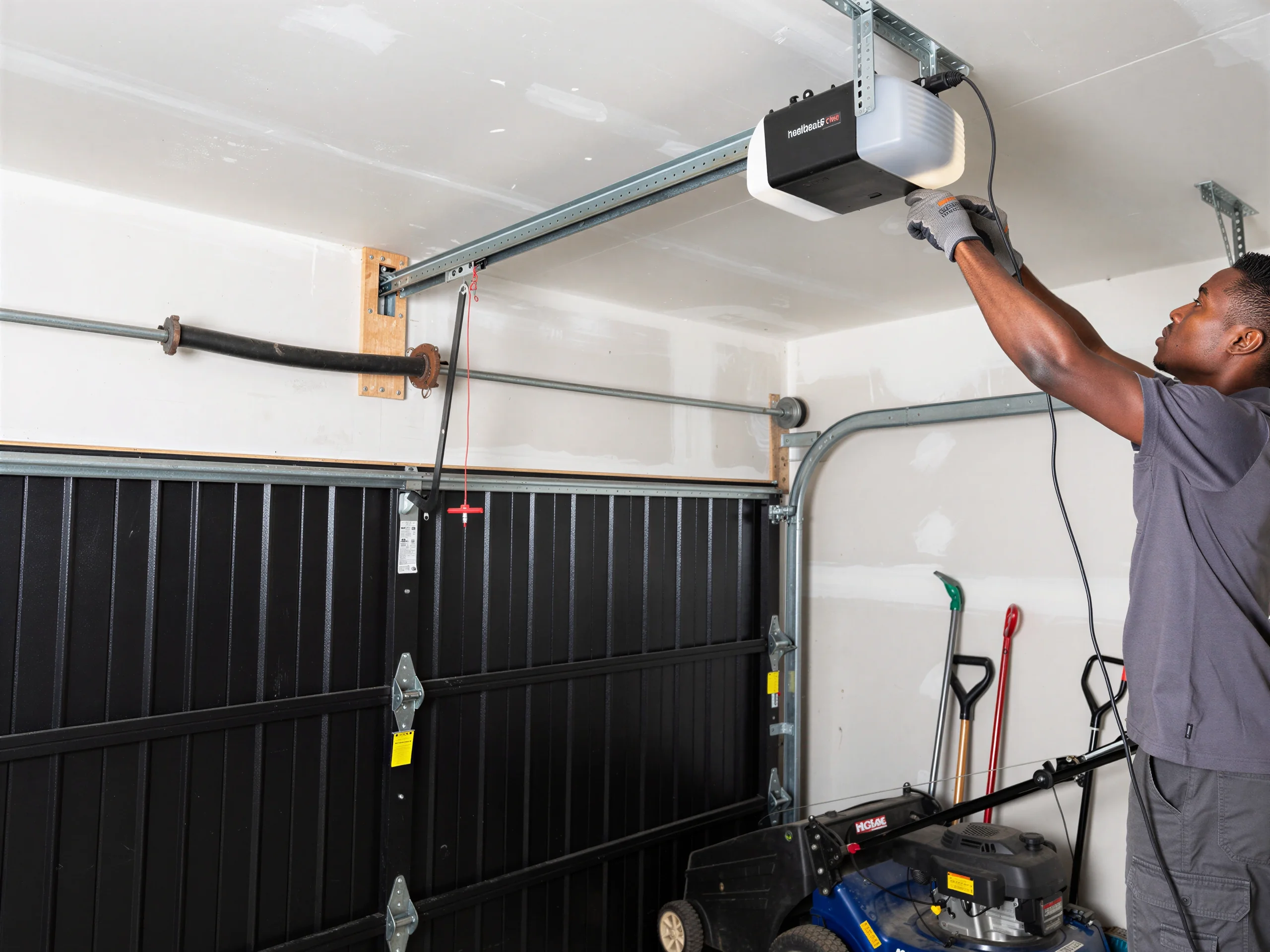
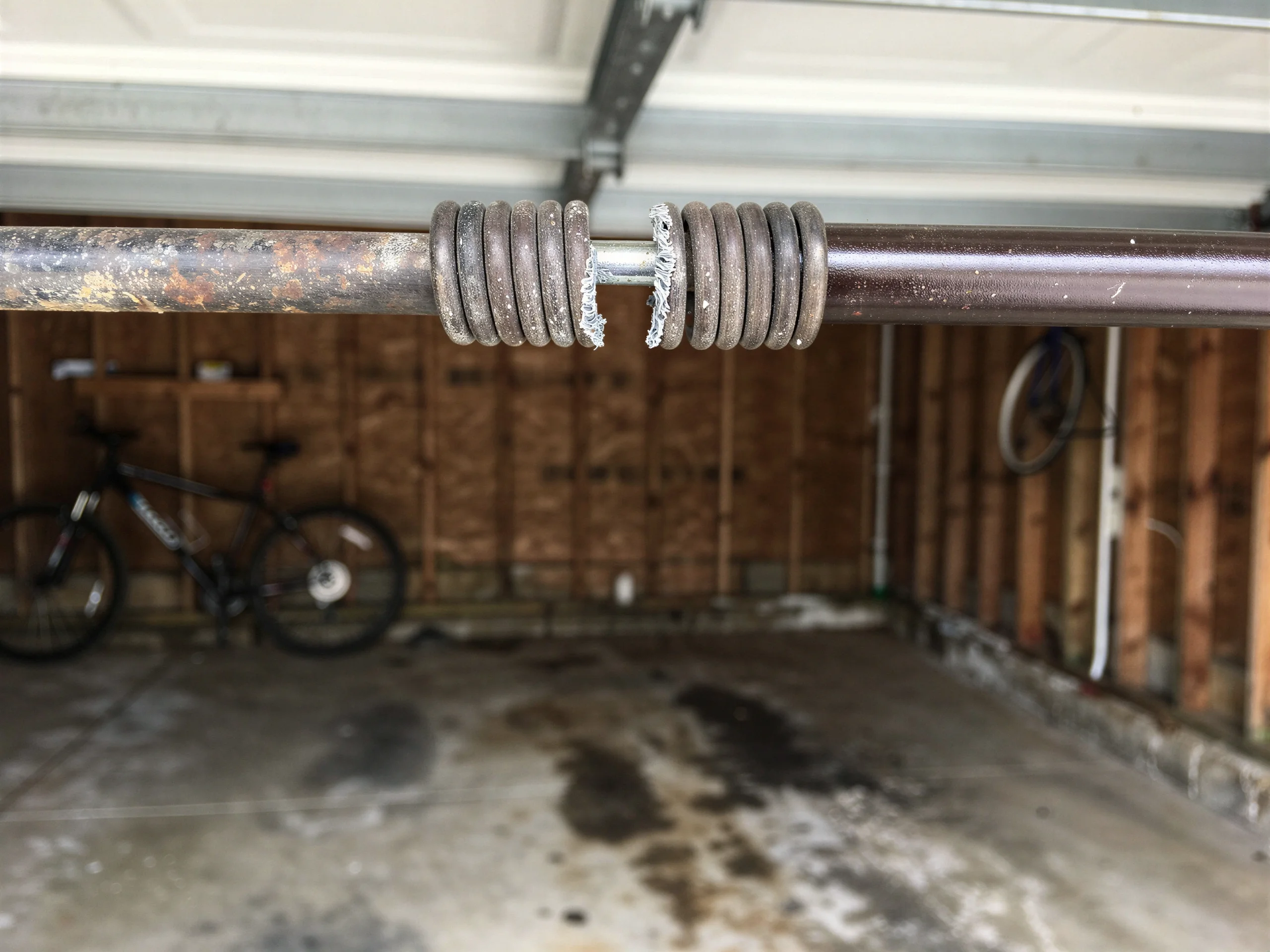
On a door this age, the complaint we hear most is a loud bang followed by the door refusing to lift, which on a torsion-spring double from the 1990s almost always means the spring itself has snapped, not the opener. The opener motor keeps running; it just can't move a dead-weight door. A second common one is a door that slams the last foot on the way down - that's worn rollers or a cable starting to fray on hardware that's now roughly thirty years old and has never been touched.
What we don't see as often here, because the housing stock skews newer than some of the towns farther out, is wood-rot door frames or doors so old they're still on extension springs with no safety cables. That's a different repair with different parts, and it's more common in older pockets than in a town built mostly after 1990.
Doing It Yourself
A homeowner can safely do rollers and can grease track and hinges without a truck visit. Torsion springs are a different matter - they're under real tension even on a standard 7-foot door, and we don't recommend DIY on those regardless of how simple a YouTube video makes it look. That's not a sales line, it's a safety one.
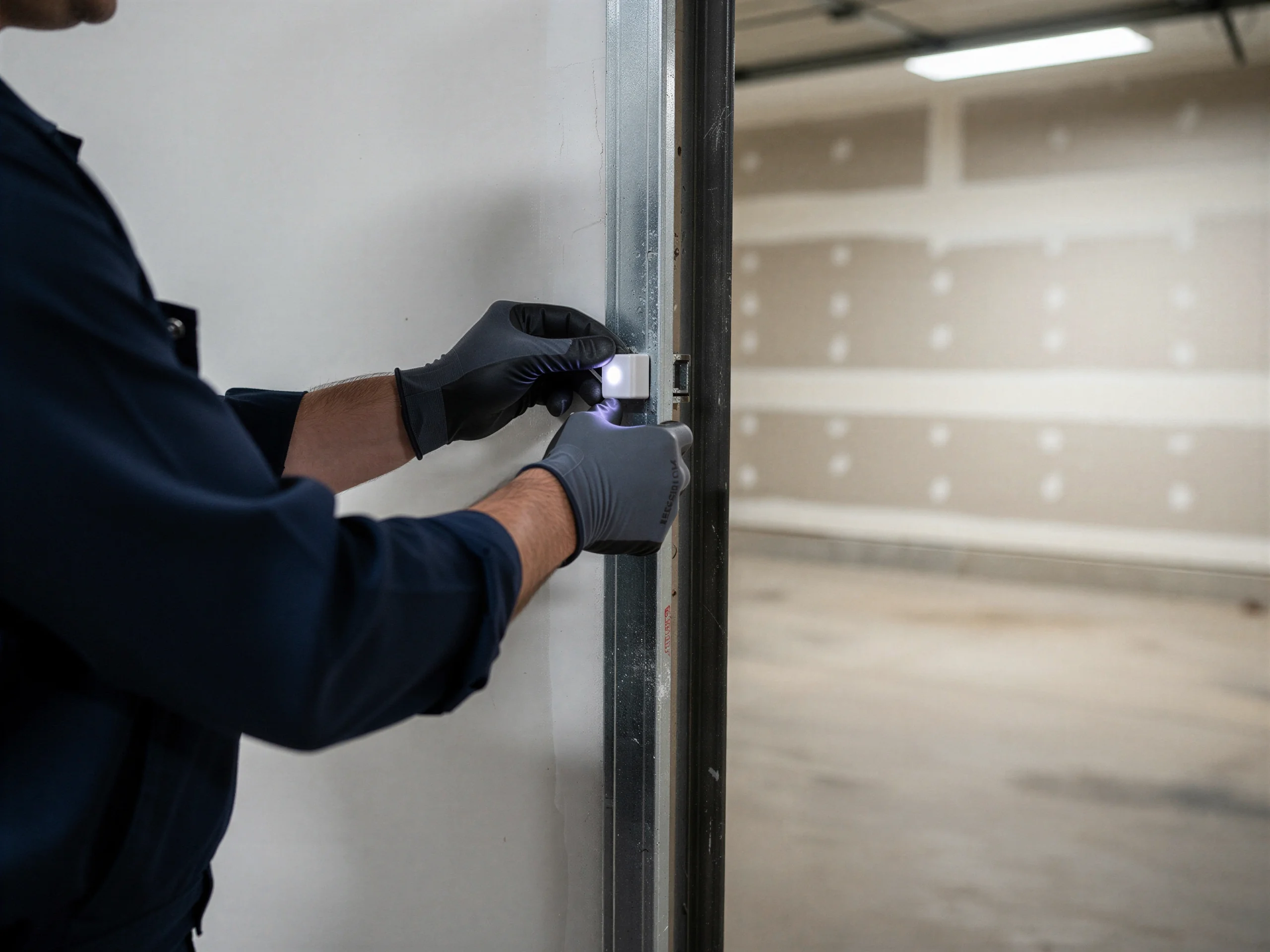
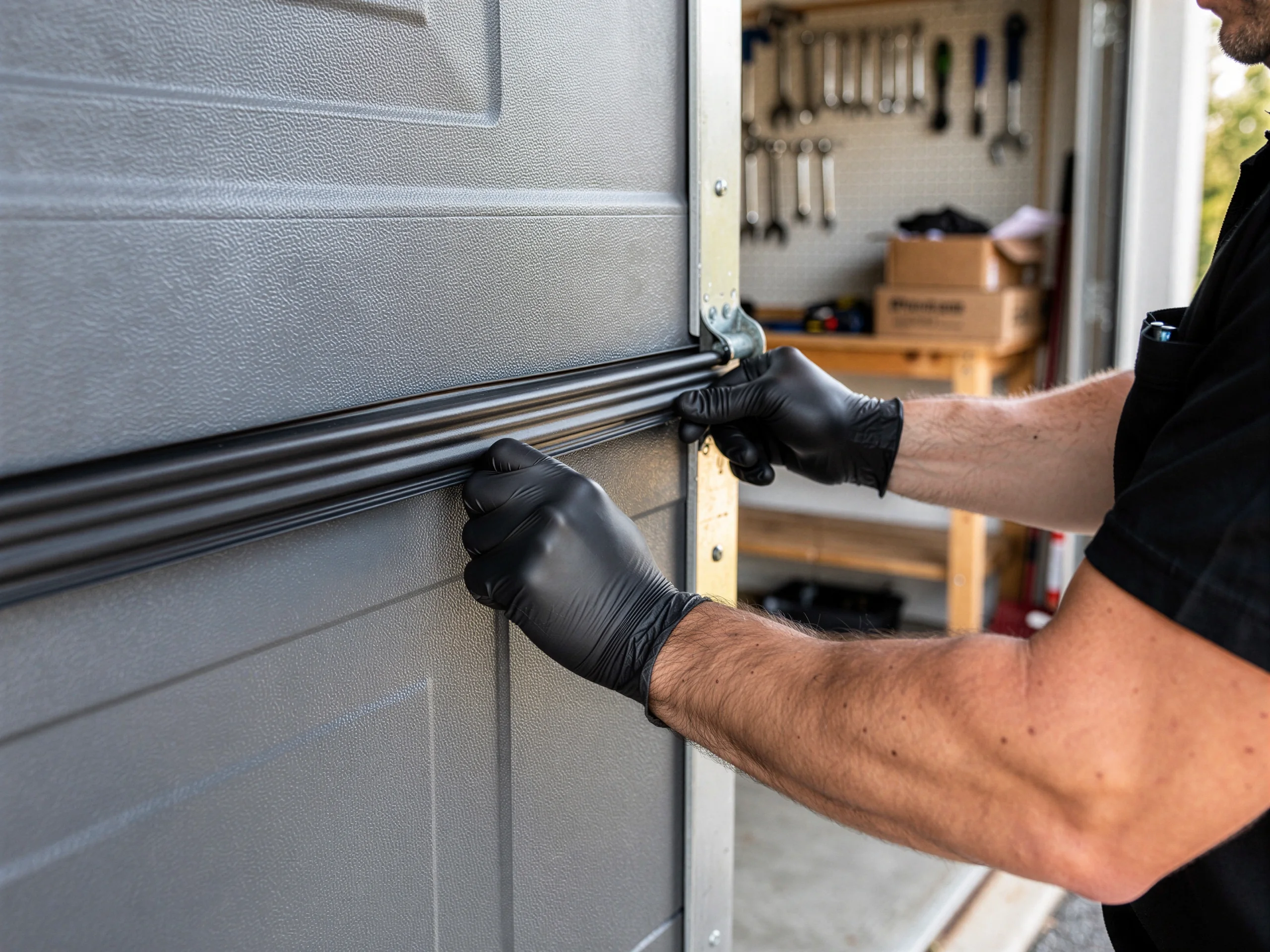
Bulverde sits about 18 miles out from our Boerne shop, farther than Fair Oaks Ranch or Cross Mountain, so if you're weighing a DIY attempt against a call, factor in that we're not around the corner. We'll walk you through what's safe to check yourself - the opener's force setting, whether the track bolts are loose, whether the bottom seal is torn - before you decide whether it's worth the drive time for us to come look at the spring or cable itself.
Talk to a local pro
Garage door service in Boerne?
Same-day service with honest, upfront quotes.