What Is on the Truck
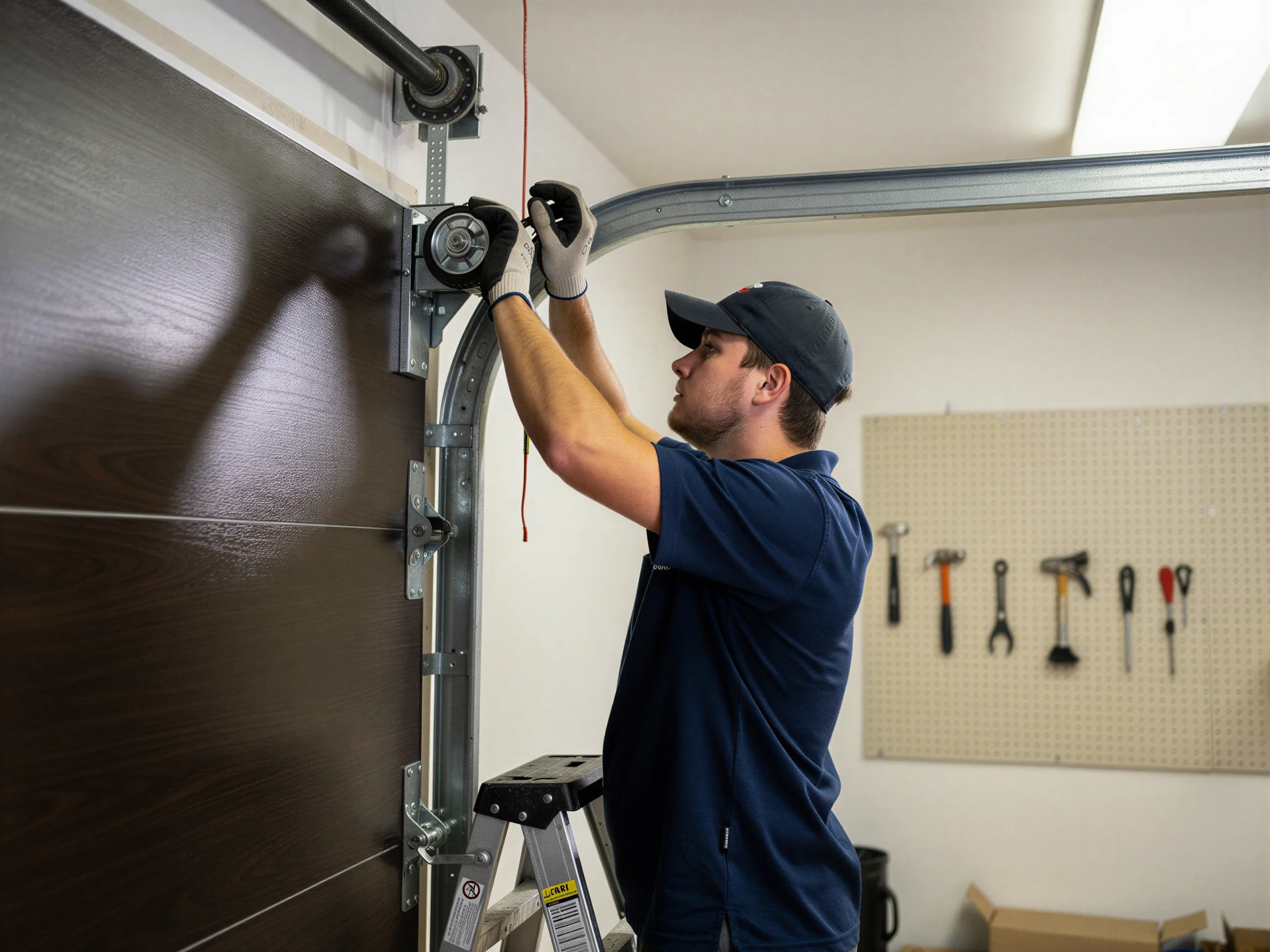
Most houses in Bulverde went up around 1995, which puts a lot of this town's garage door hardware at the thirty-year mark - the point where torsion springs fatigue and the original rollers are plastic with steel ball bearings that have long since dried out.
Stock for 90s doors
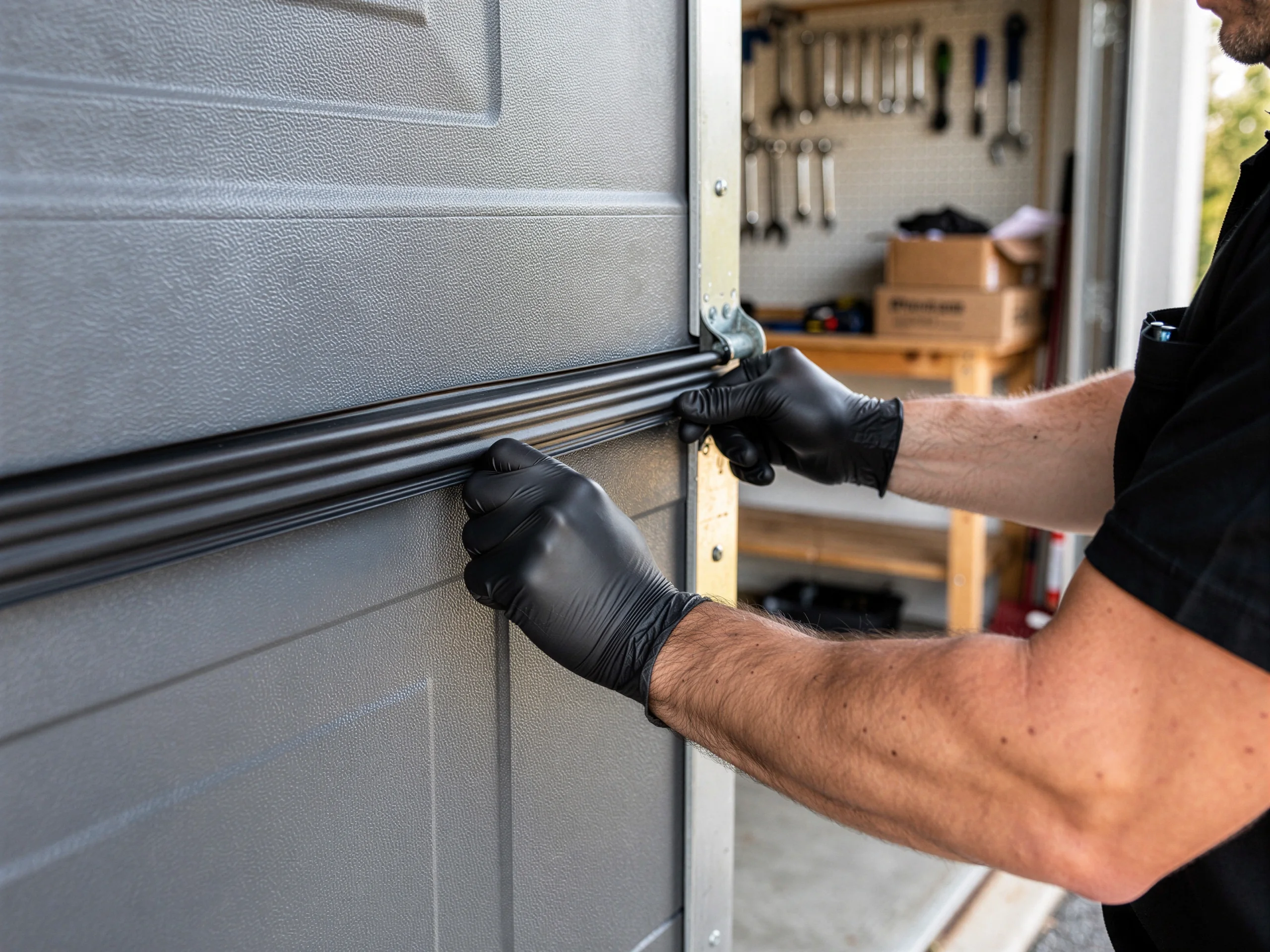
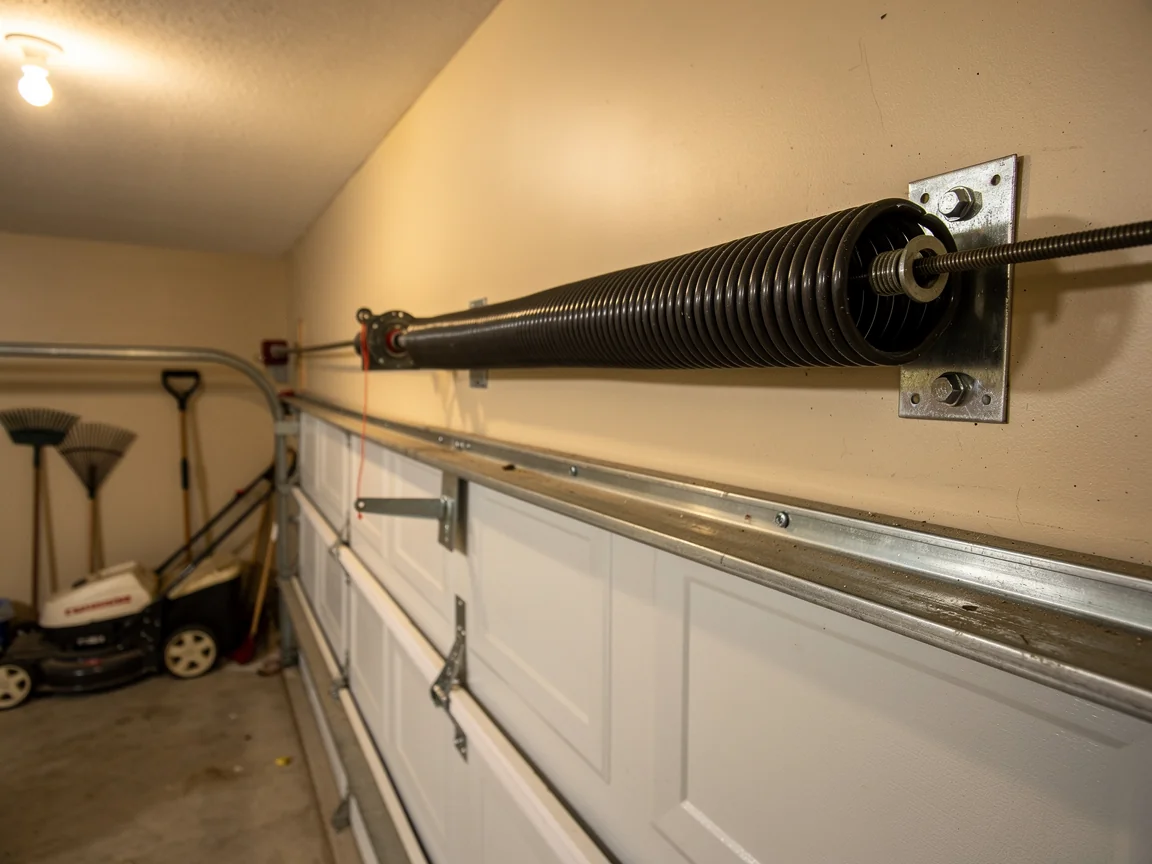
We don't guess at what's behind a 1995 door. We stock the torsion spring sizes, drums, and cable gauges that matched openers and door weights sold through the 90s, because that's still what's hanging in most Bulverde garages that haven't been touched since the builder left.
Gear kits for chain drives
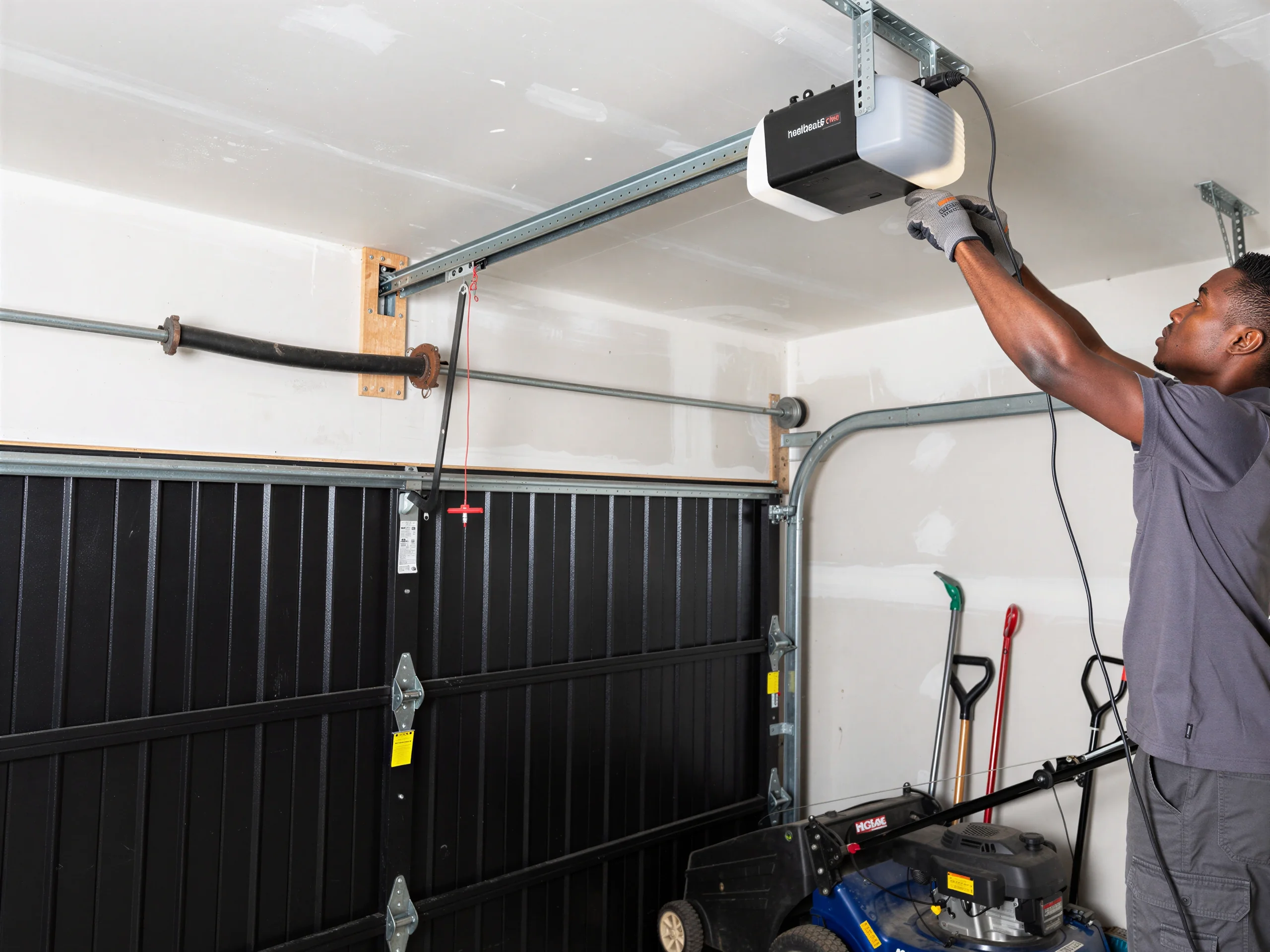
If your opener is the original chain-drive unit, we carry the gear-and-sprocket kits that fail on that generation before we carry anything newer. The truck is loaded for Bulverde's actual housing stock, not for a generic door.
Boerne crew, eighteen miles
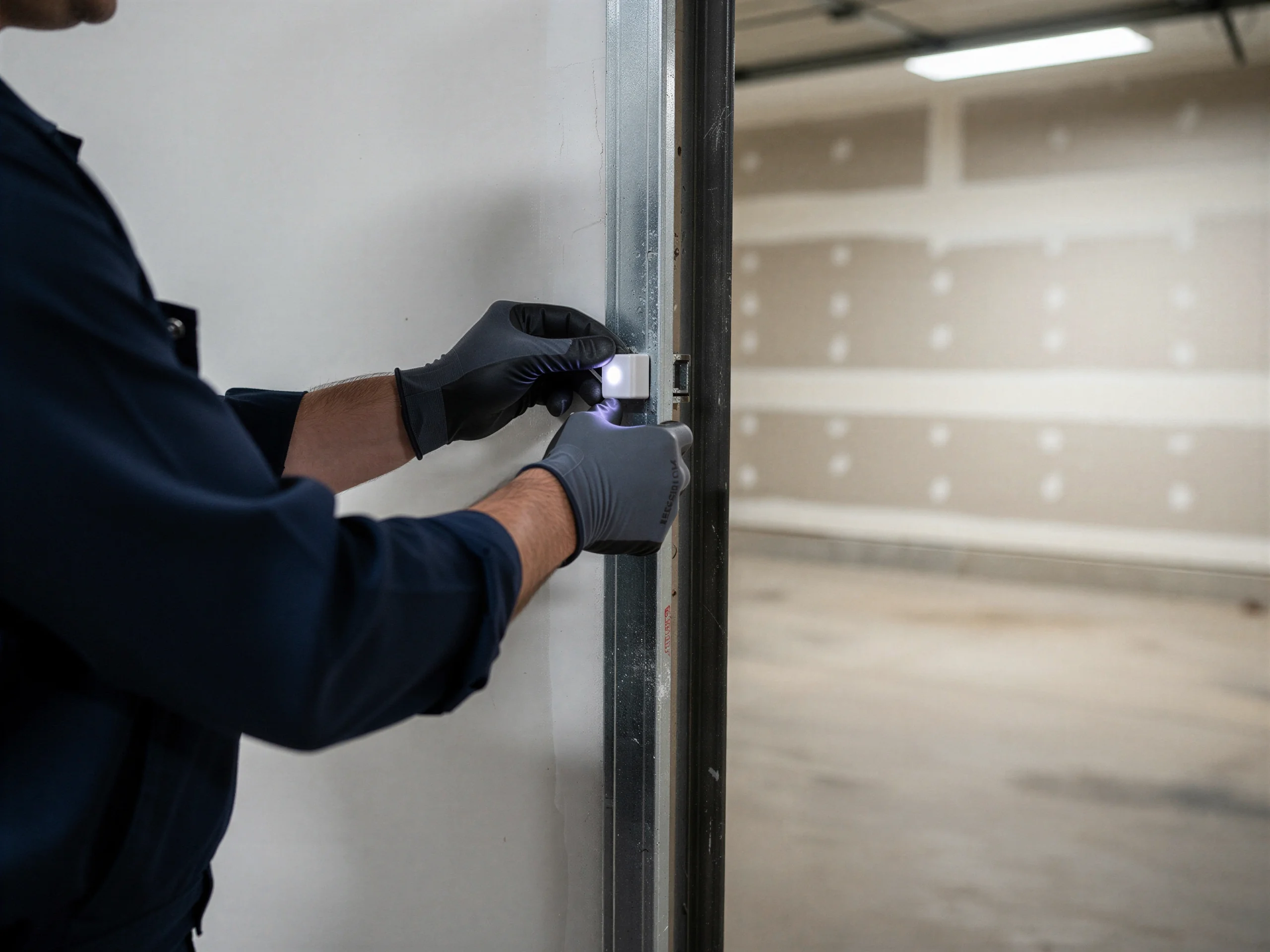
We come out of Boerne, about 18 miles away, so we're not a local branch - we're a crew that knows this stretch of build years because we see it on every call out this direction. If a part turns out to be a size we don't carry (older proprietary opener boards, mostly), we'll tell you on site rather than string out a return visit.
What You Pay
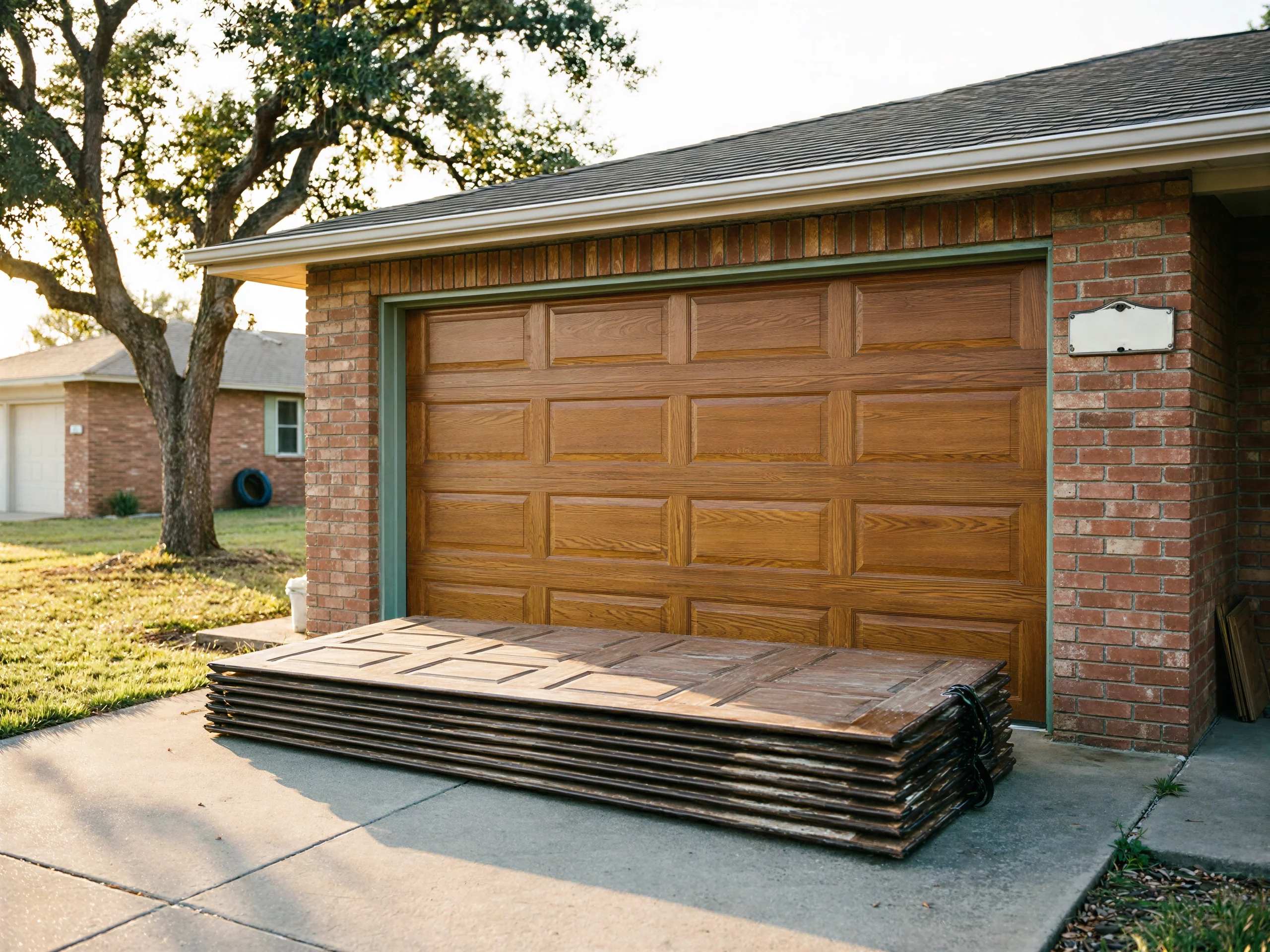
Bulverde's median household income runs around $108,413, noticeably below the wider service area's $135,120, and that gap shows up in how people in this town handle a broken door: more often a targeted repair - spring, cable, or roller swap - and less often a full door replacement bought on convenience. We price the job in front of you before we start, and for a 1995-built house that usually means we're replacing a spring and the rollers it's wearing out, not the whole opener.
We can't give you a number here without seeing the door - spring size and door weight vary even within the same subdivision - but we don't pad a repair into a replacement sale just because a part is original. If the torsion spring is the only thing worn out and the track and panels are sound, we say so.
The Symptom
The complaint we hear most from this part of the county is a door that slams the last six inches instead of settling, or an opener that strains and reverses before it closes.
Gradual spring tension loss
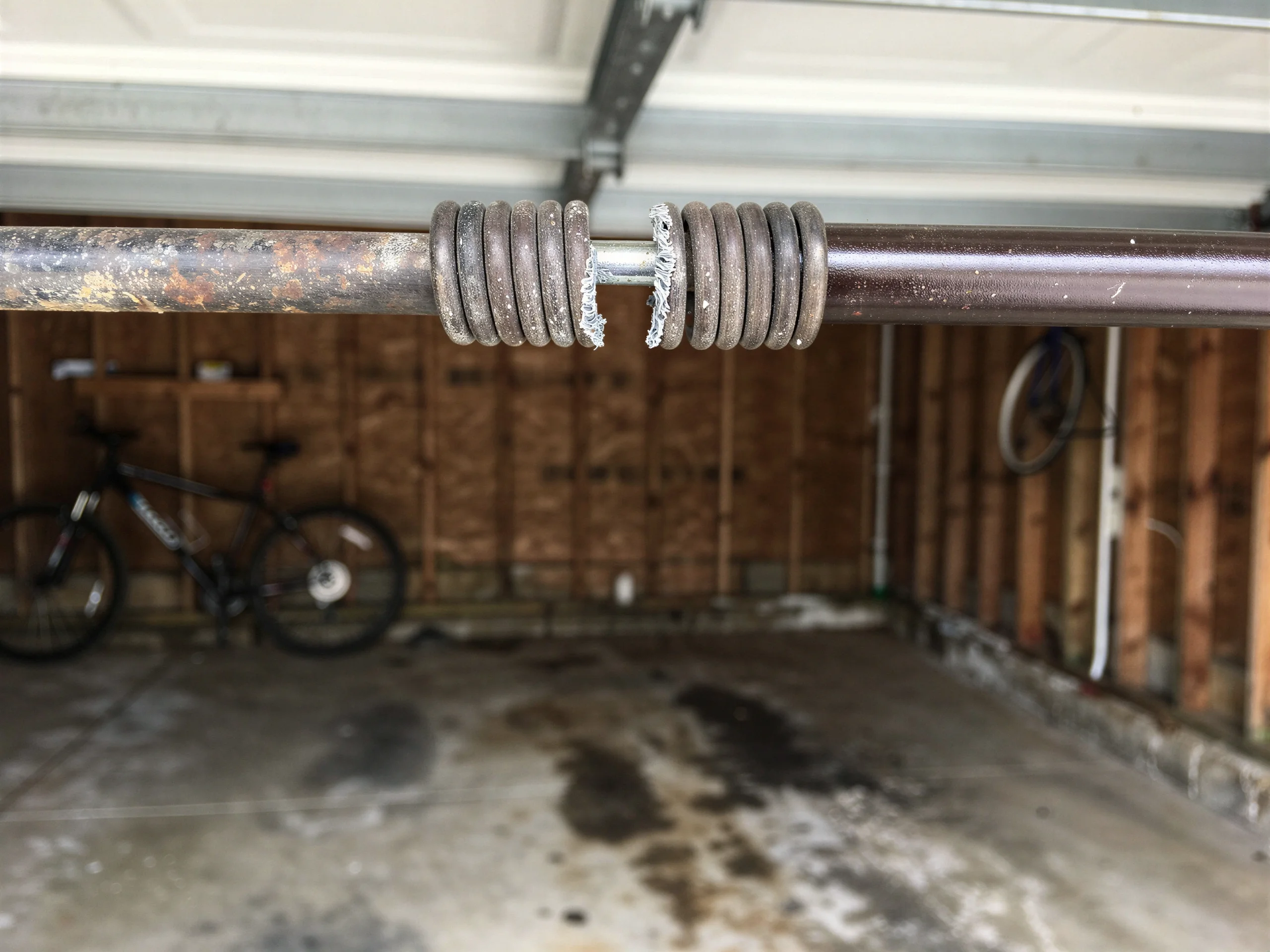
On a house built in the mid-90s that's almost always a torsion spring that's lost tension gradually over thirty years, not a sudden break - the opener's force setting was never recalibrated to compensate, so it's been fighting a weakening spring for longer than anyone noticed.
Dry rollers make noise
A second common one: a door that's noisy going up but fine coming down, which points to original rollers riding dry steel track that's never been lubricated since installation. Both of those are original-hardware symptoms, not opener problems, even though the opener usually gets blamed first because it's the part making noise.
Doing It Yourself
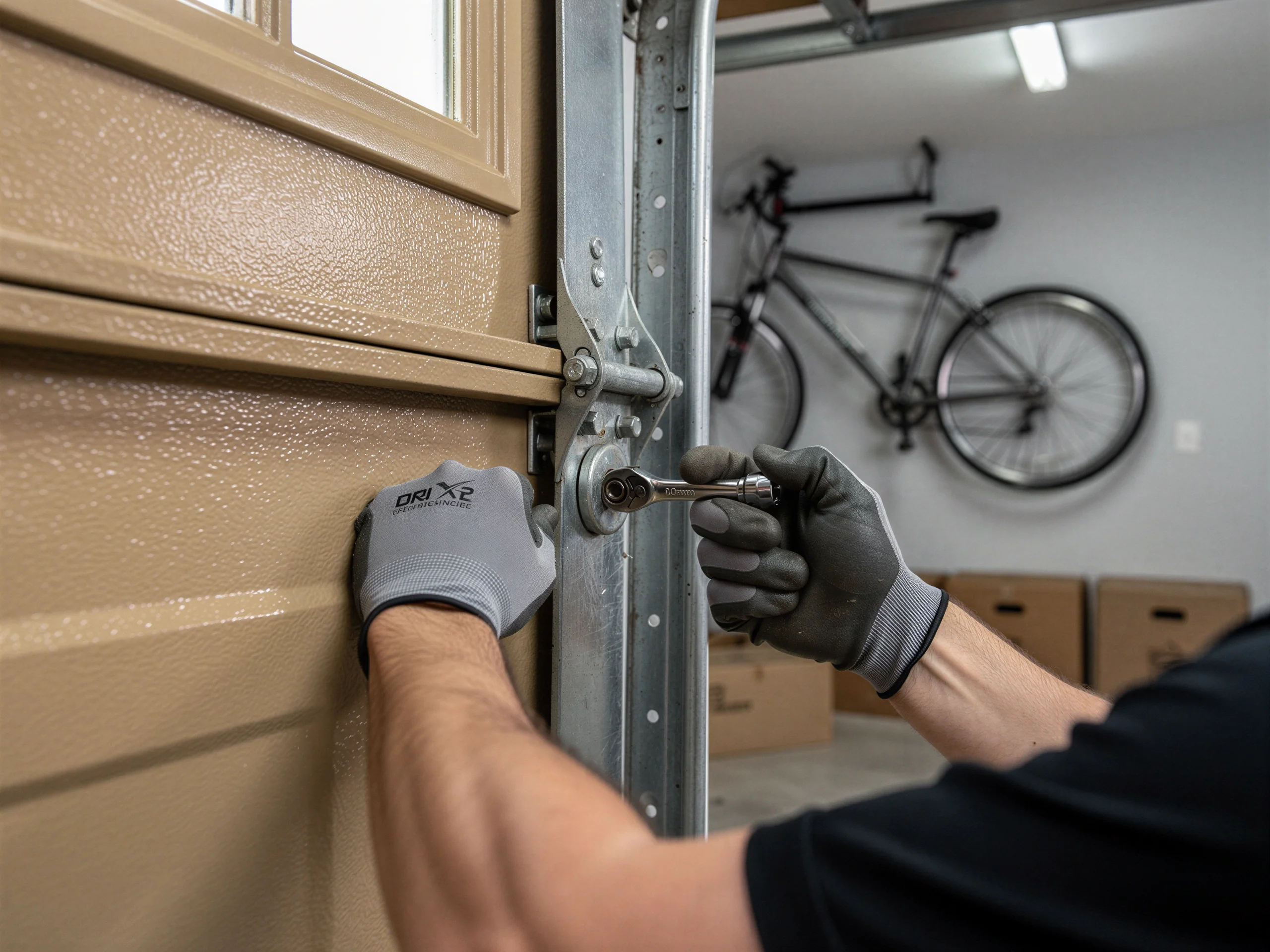
Lubricating the rollers and hinges with a garage-door-specific lubricant (not WD-40, which washes out and attracts grit) is safe to do yourself and worth doing twice a year given the mild climate here - Bulverde doesn't get hard freezes often, but it does get temperature swings that stiffen 30-year-old grease. Tightening visible bolts on the track brackets is fine too.
What isn't: the torsion spring itself. It's wound under enough tension to break a bone or worse, and on a door this old the spring may be a size that's no longer stocked off the shelf, which is exactly why we carry the older gauges on the truck. If your door won't open at all, or one side is visibly lower than the other, that's a spring or cable job - leave it and call it in rather than working under a loaded door.
Talk to a local pro
Garage door service in Boerne?
Same-day service with honest, upfront quotes.