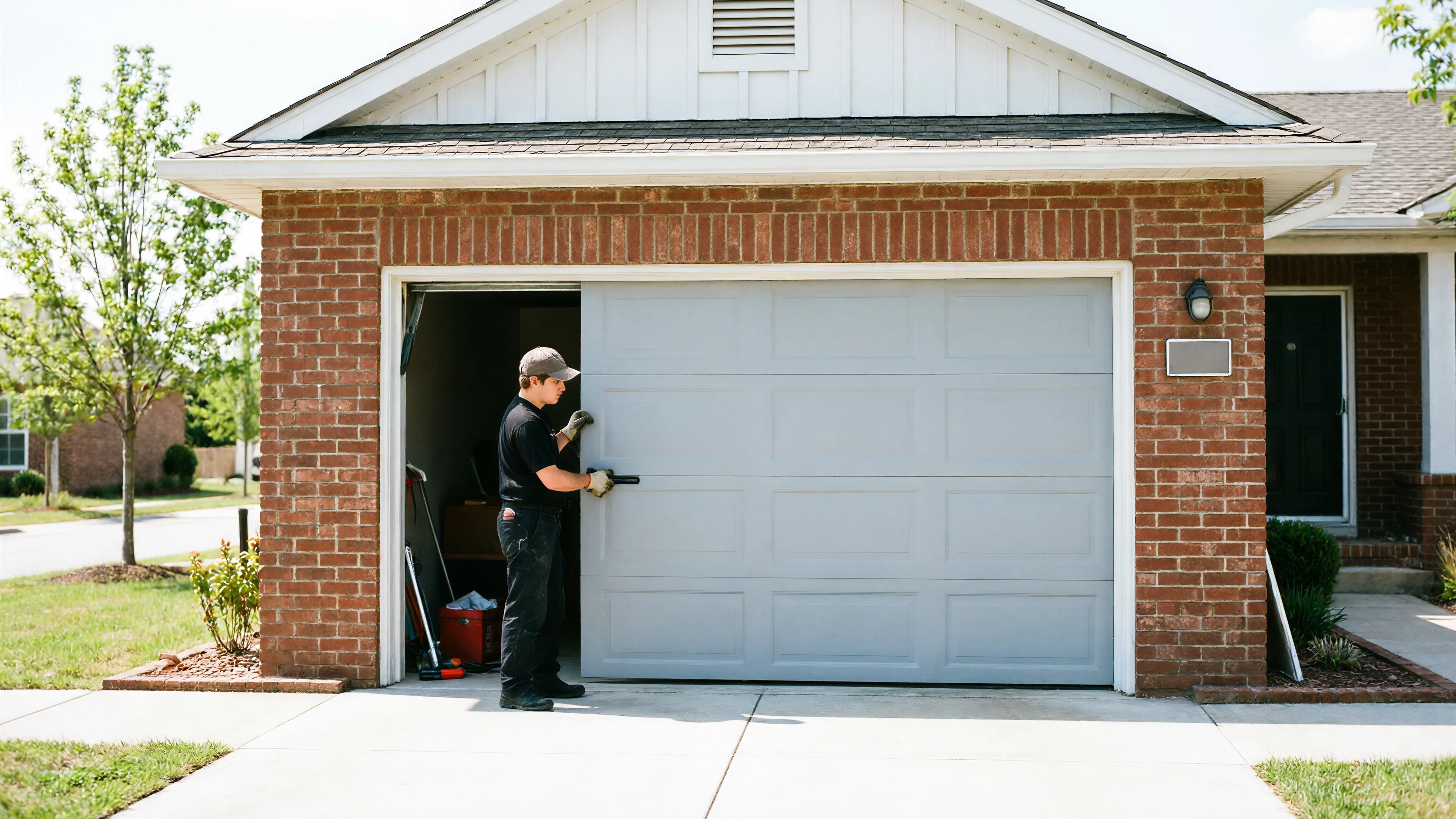
What You Pay
We don't post a flat maintenance price here, because what a visit runs depends on door size, spring count, and whether the opener needs anything beyond lubrication. What we can tell you is what drives the bill in Cross Mountain specifically: these are newer doors than a lot of what we service out of Boerne, so you're paying less often for seized hardware and more for things like sensor alignment and opener diagnostics on circuit boards that are now pushing two decades old. A house built in 2003 isn't due for a full torsion spring replacement the way an older place might be, but the springs that came with it are getting close. If you want an exact number, that's a call, not a guess on a page.
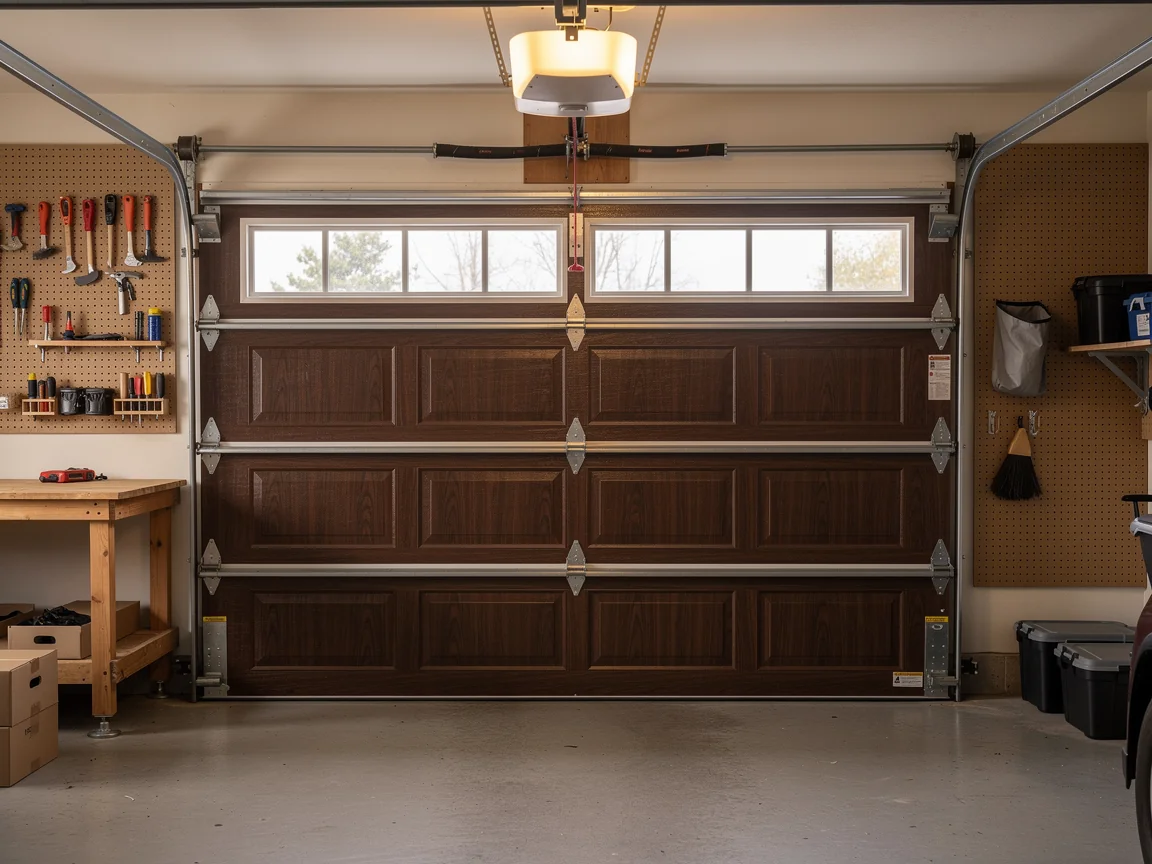
What the Repair Takes
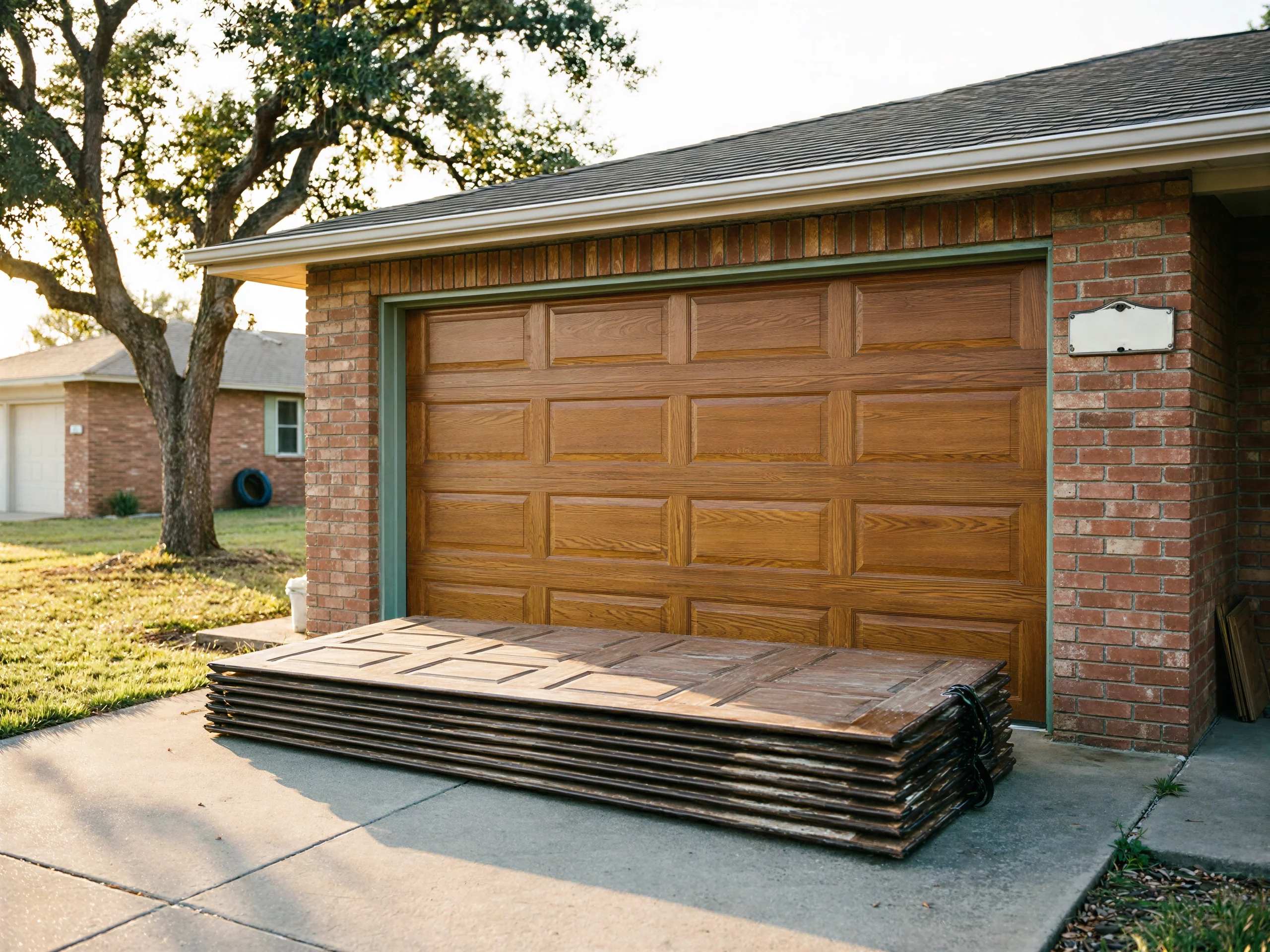
The fault we run into most in Cross Mountain isn't a door that's falling apart - it's a door that was built right the first time and is now aging out of its original parts all at once.
Springs near cycle limits
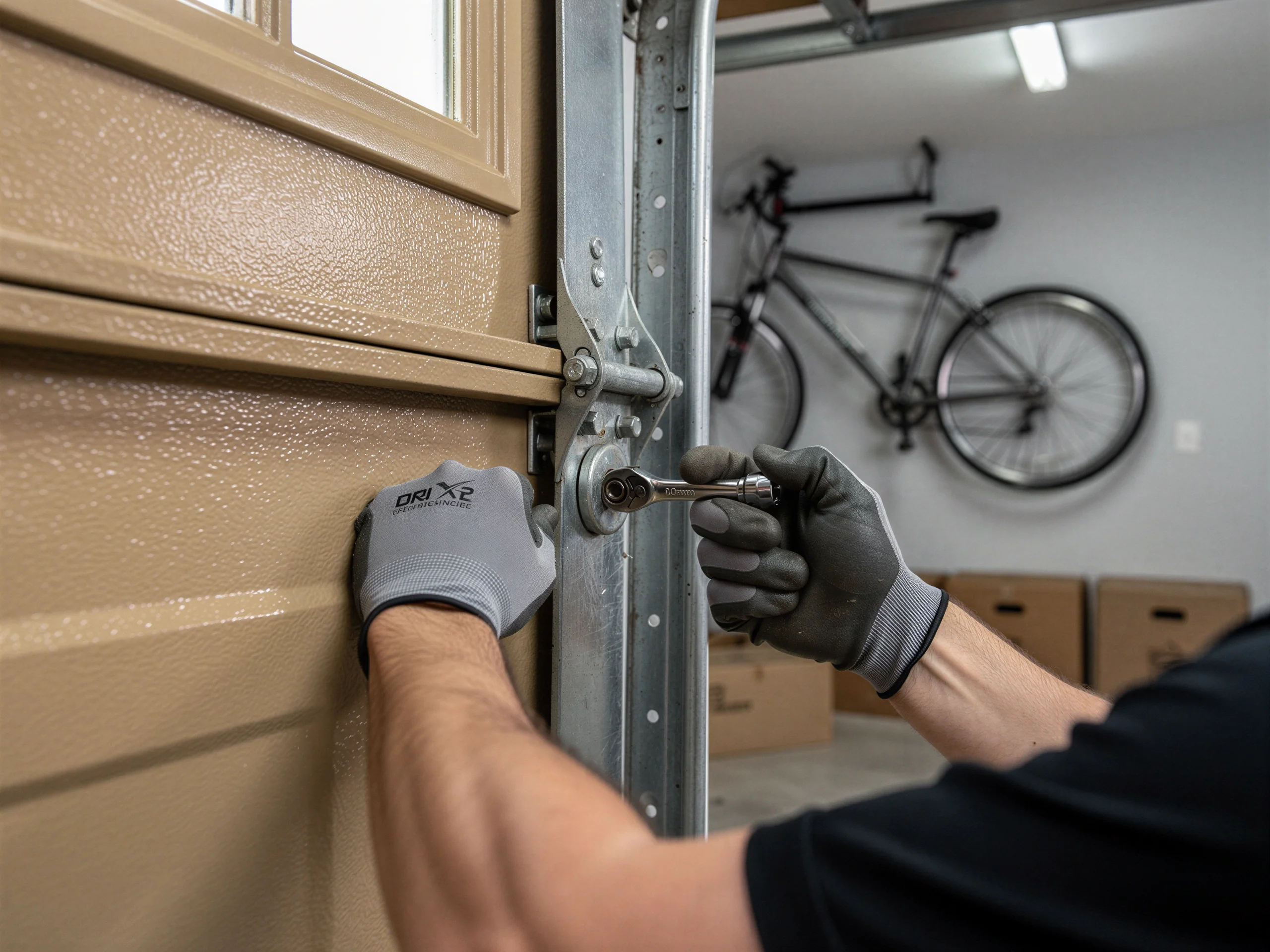
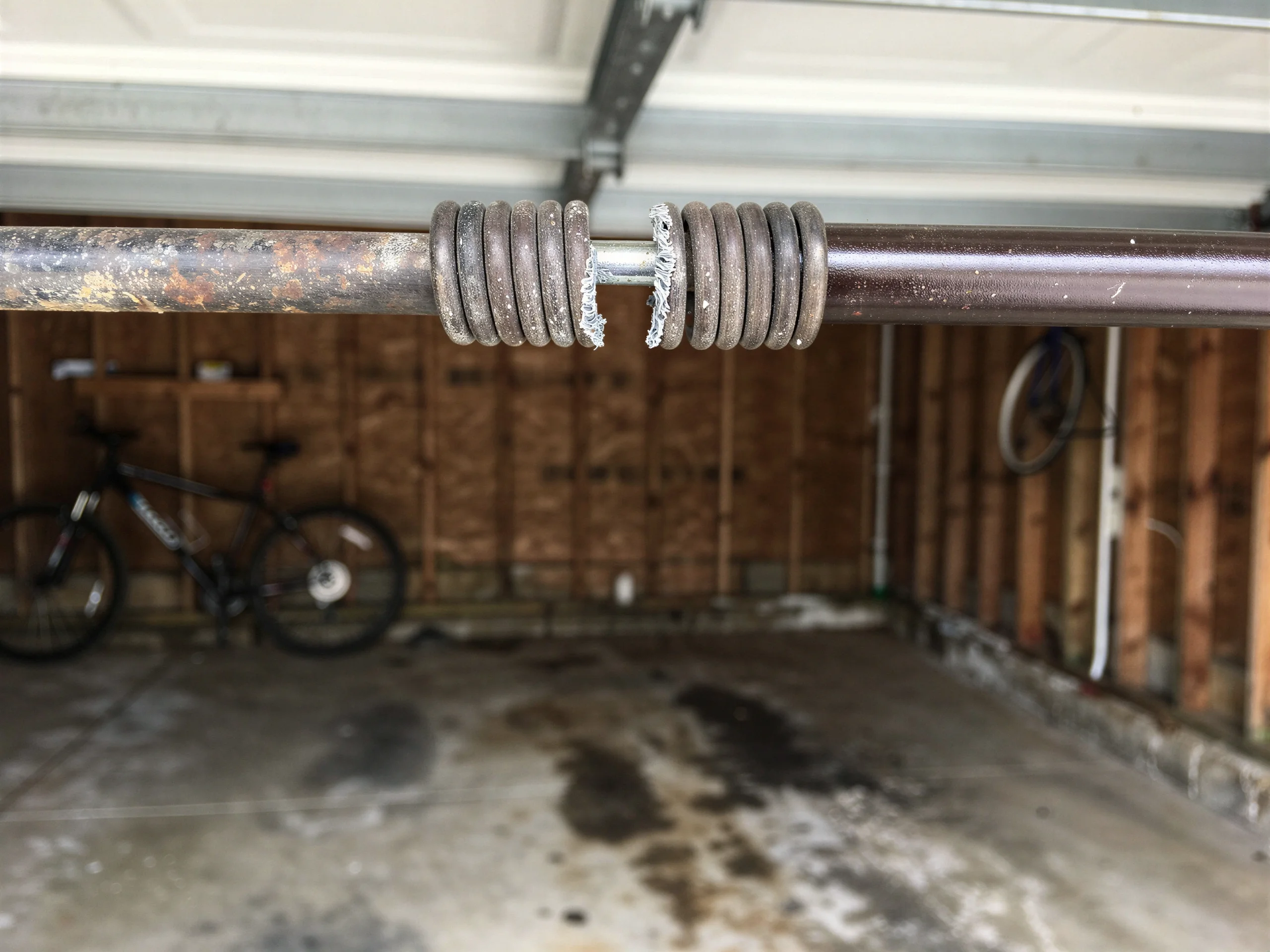
Median build year here is 2003, which puts most original torsion springs somewhere between 17 and 22 years old depending on when the house actually closed. Steel torsion springs are commonly rated for around 10,000 cycles, roughly seven to ten years of typical use, so a spring still working today has already outlived its rated life once or twice over.
Early sensors and board heat
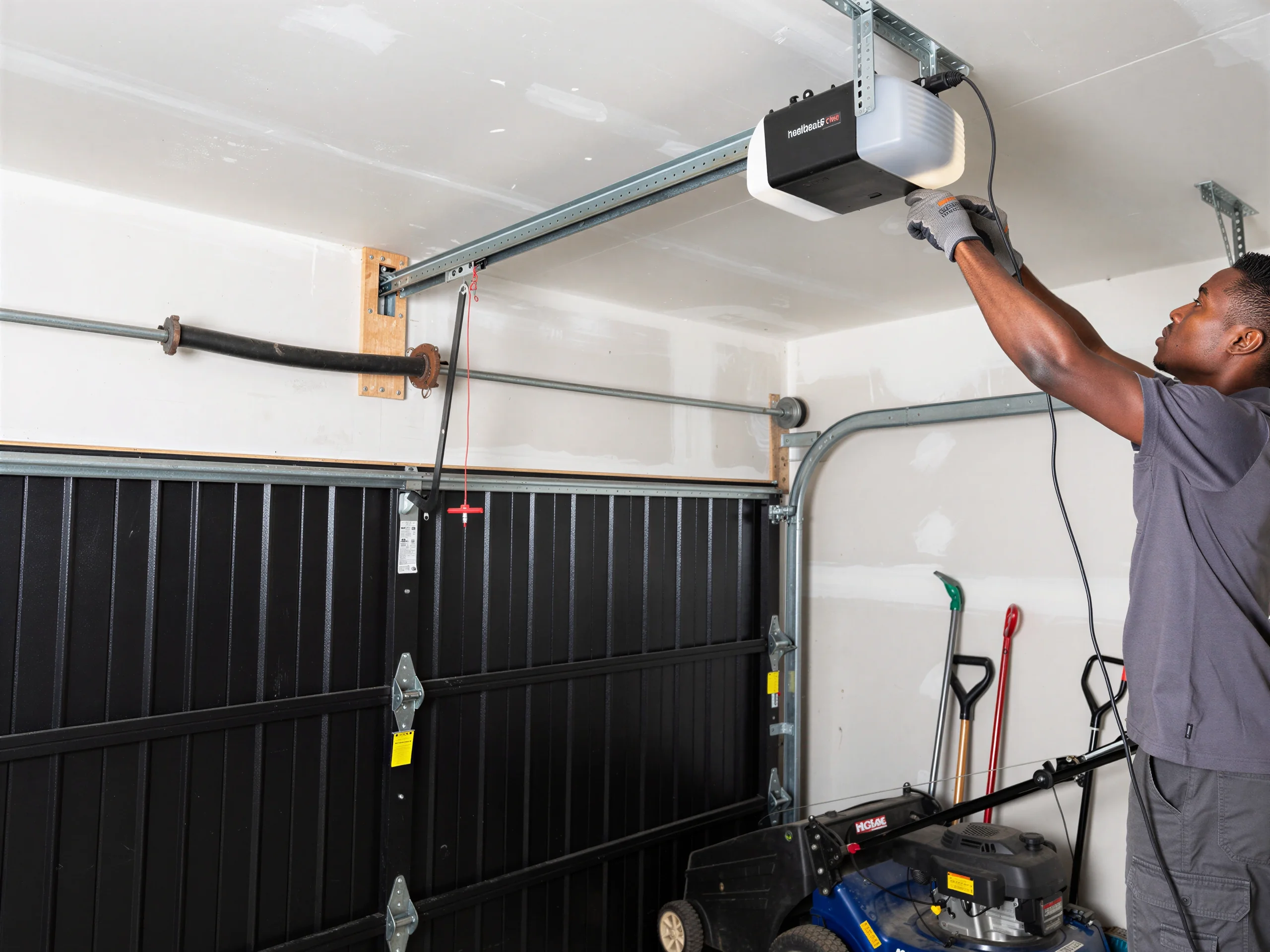
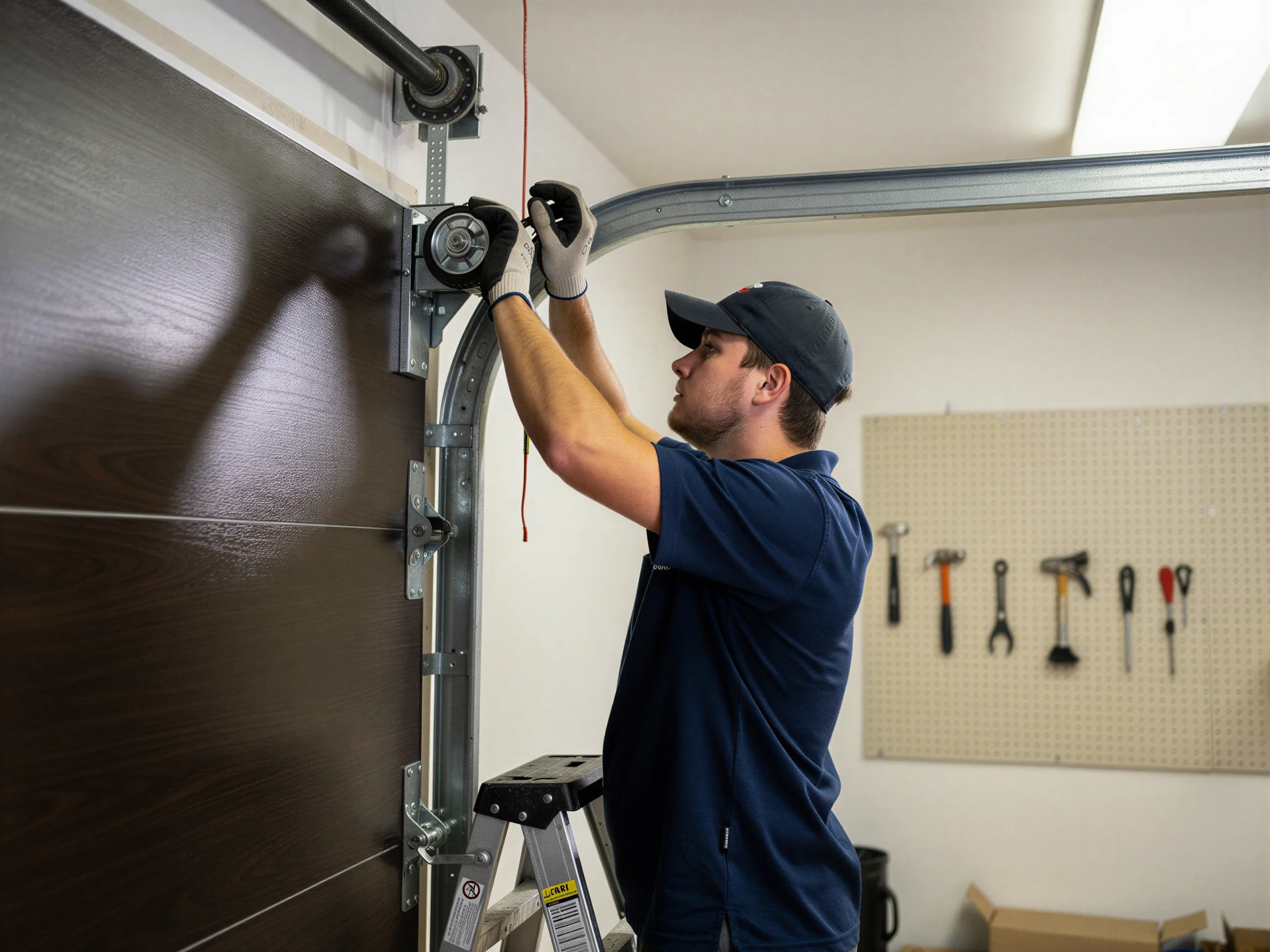
On the opener side, early-2000s units often ran their first-generation photo-eye safety sensors and a circuit board that wasn't built for twenty years of Texas heat cycling. We check both on every maintenance visit: spring wind and wear, and whether the opener's sensors and board are still reading clean. We don't replace a spring that's tracking fine just because of its age - we replace the one that's actually showing wear.
How to Book
We run out of Boerne, and Cross Mountain is about 10 miles out, so a maintenance visit here is a normal stop on the route, not a special trip. Book through our Cross Mountain service page and we'll get a time on the schedule. If you're also dealing with something beyond maintenance - a door that won't open, a cable that's frayed - mention it when you book so the tech brings the right parts instead of coming back a second time.
Doing It Yourself
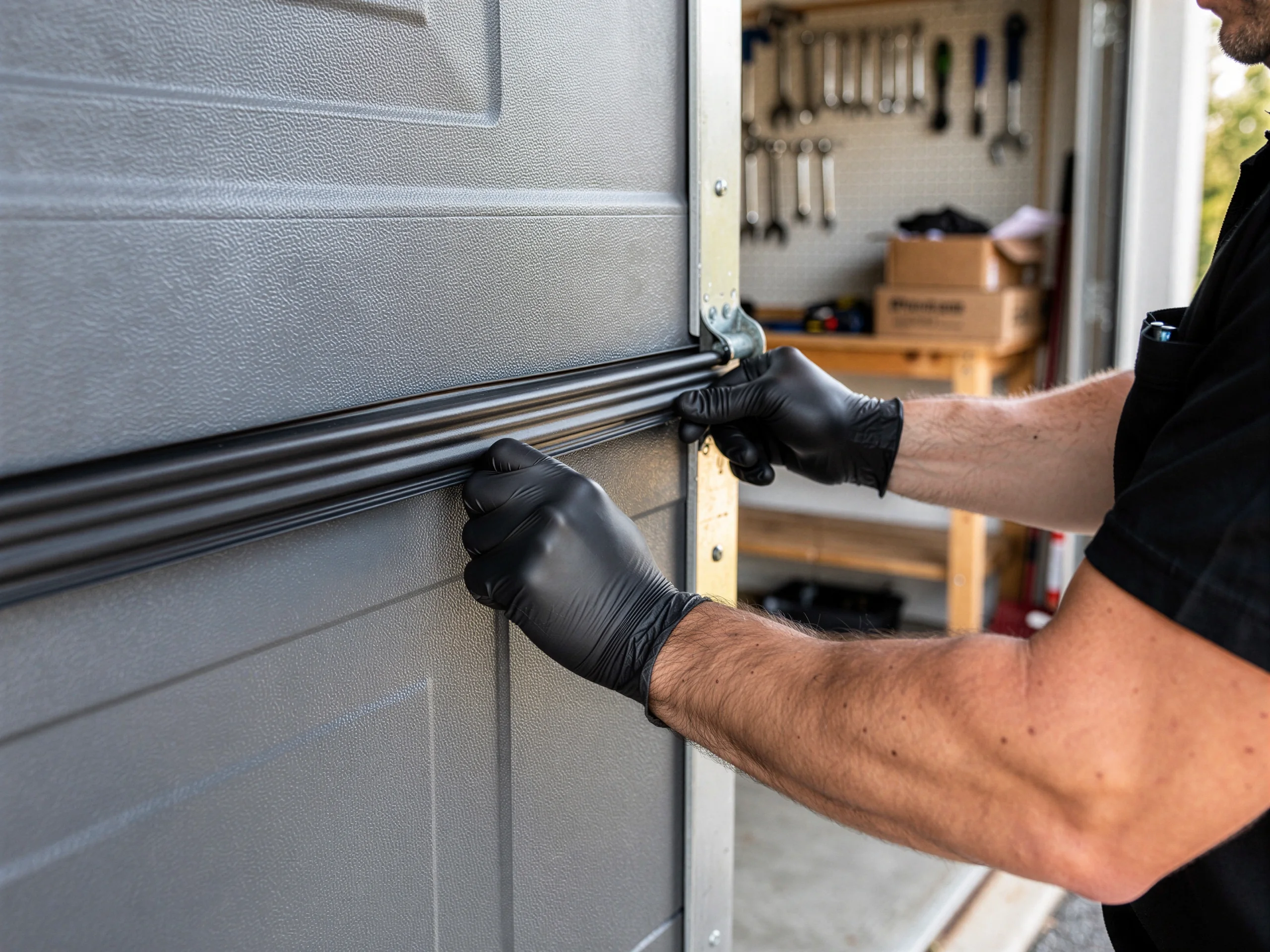
There's real maintenance a homeowner can do between our visits. Wipe down and lubricate the rollers and hinges with a garage-door-specific lubricant, not WD-40, which washes grease out rather than adding it.
Clean photo-eye sensors
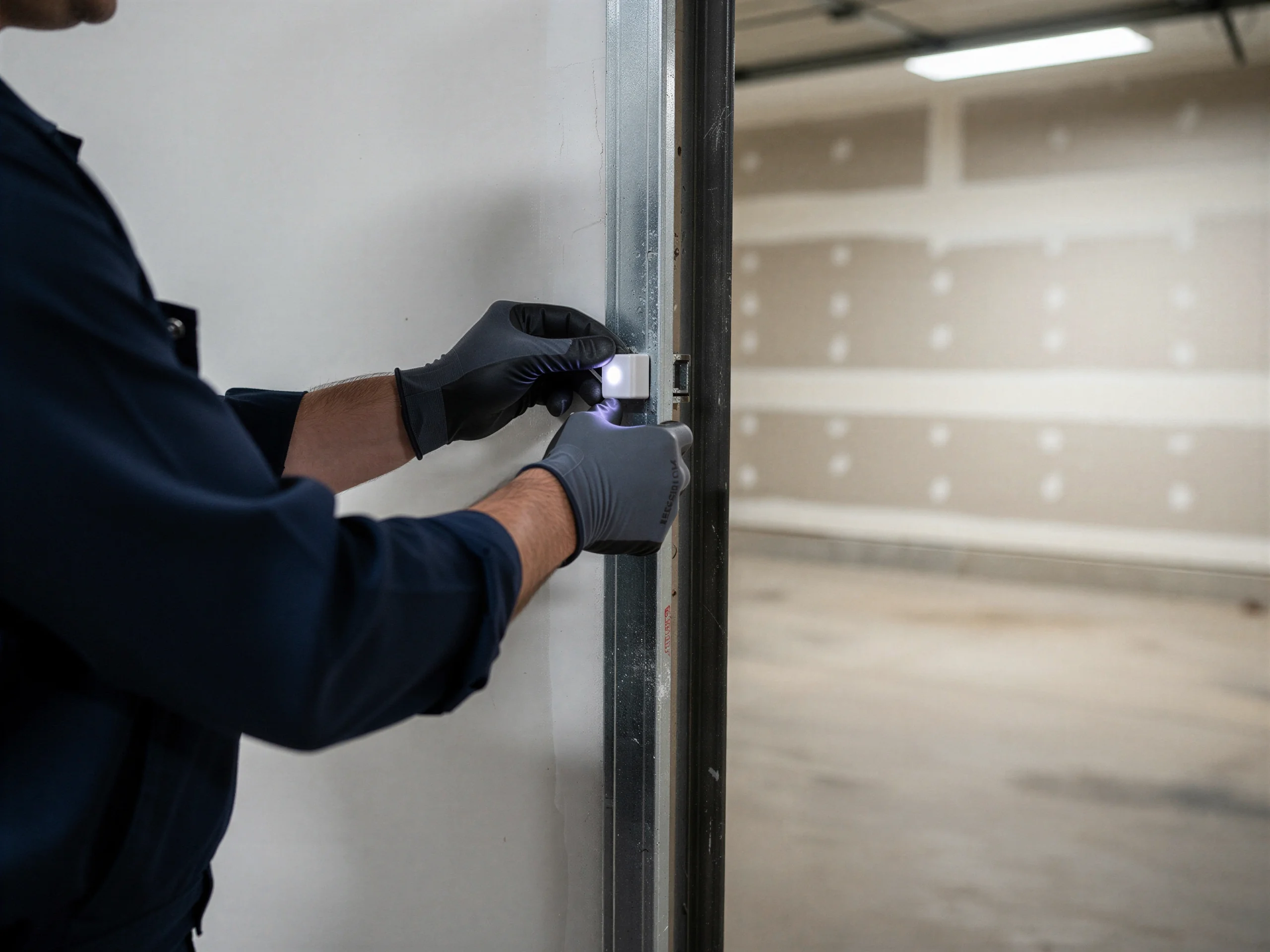
Check that the photo-eye sensors near the bottom of the tracks are clean and aimed at each other - on a 2003-era opener, a dusty or knocked-out-of-alignment sensor is one of the most common reasons the door won't close.
Auto-reverse test with board
Test the auto-reverse by laying a 2x4 flat under the door and closing it; it should reverse on contact. What you shouldn't touch is the torsion spring itself.
Springs stay off limits
These are wound under enough tension to cause serious injury, and on a door this age, a spring that looks fine can let go under load. If you're not sure whether something is a DIY fix or not, that's exactly the kind of question worth a call before you start turning bolts.
Time on the Job
A standard maintenance visit on a single door - spring check, hardware tightening, lubrication, opener sensor and board check - doesn't eat your whole morning. On a house like most in Cross Mountain, where the door and opener are original to a 2003 build and haven't had major work done, the visit tends to run longer than it would on a door that's already been serviced a few times, simply because there's more to inspect the first time through. After that first full check, follow-up visits move faster since we already know what's original and what's been touched.
Talk to a local pro
Garage door service in Boerne?
Same-day service with honest, upfront quotes.